


Are there any environmental impacts associated with finned tubes?
Hey there! I'm a supplier of finned tubes, and I often get asked about the environmental impacts of these nifty little components. So, let's dive right in and explore this topic.
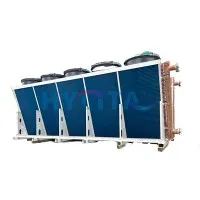
First off, what are finned tubes? Well, they're basically tubes with fins attached to their outer surface. These fins increase the surface area of the tube, which in turn enhances heat transfer efficiency. Finned tubes are used in a wide range of applications, from HVAC systems to industrial heat exchangers.
Now, let's talk about the environmental impacts. One of the main environmental benefits of finned tubes is their energy efficiency. Because they can transfer heat more effectively, they require less energy to operate. This means that less fuel needs to be burned to generate the same amount of heat, which reduces greenhouse gas emissions. For example, in a large industrial plant, using finned tubes in heat exchangers can lead to significant energy savings over time.
Another positive aspect is the potential for longer equipment lifespan. When heat transfer is more efficient, the equipment doesn't have to work as hard. This reduces wear and tear on the components, which means they don't need to be replaced as often. Fewer replacements mean less waste going to landfills.
However, it's not all sunshine and rainbows. There are some environmental concerns associated with the production of finned tubes. The manufacturing process often involves the use of metals like copper, aluminum, and steel. Mining these metals can have a significant environmental impact. For instance, copper mining can lead to deforestation, soil erosion, and water pollution. The extraction process also consumes a large amount of energy, which contributes to carbon emissions.
In addition, the production of finned tubes requires various chemicals and coatings. These substances can be harmful to the environment if not properly managed. For example, some coatings may contain volatile organic compounds (VOCs), which can contribute to air pollution and have negative health effects on humans.
But don't worry, as a responsible finned tube supplier, we're taking steps to minimize these impacts. We're constantly looking for ways to improve our manufacturing processes to be more environmentally friendly. For example, we're exploring the use of recycled metals in our finned tubes. Recycling metals reduces the need for new mining, which helps to conserve natural resources and reduce environmental damage.
We're also working on reducing the use of harmful chemicals in our production. By using more eco - friendly coatings and chemicals, we can lower the environmental footprint of our finned tubes. And we're not alone in this effort. The industry as a whole is becoming more aware of the environmental impacts and is making strides towards more sustainable practices.
Now, let's take a look at some specific types of finned tubes and their environmental aspects.
Fin Radiator is a popular type of finned tube product. These radiators are widely used in heating and cooling systems. They offer high heat transfer efficiency, which means less energy consumption. However, the materials used in their construction, such as steel or aluminum, still have the associated environmental impacts during production. But again, by using recycled materials and more efficient manufacturing techniques, we can make these products more sustainable.


Copper Fin Radiator is another option. Copper is a great conductor of heat, which makes these radiators very efficient. But as I mentioned earlier, copper mining has its environmental drawbacks. We're looking into ways to source copper from more sustainable mines and increase the use of recycled copper in our copper fin radiators.
Aluminum Fin Radiator is lightweight and corrosion - resistant. Aluminum is also one of the most recyclable metals. Recycling aluminum requires only a fraction of the energy needed to produce new aluminum from bauxite ore. So, in terms of long - term environmental impact, aluminum fin radiators can be a good choice.
In conclusion, while finned tubes offer many environmental benefits in terms of energy efficiency and equipment lifespan, there are also some environmental challenges associated with their production. But as a supplier, we're committed to reducing these impacts and promoting more sustainable practices.
If you're in the market for finned tubes, whether it's for a small HVAC project or a large industrial application, we'd love to have a chat with you. We can discuss your specific needs and how our products can fit into your environmental goals. Contact us to start a conversation about your finned tube requirements and let's work together to make your project as sustainable as possible.
References
- "Heat Exchanger Design Handbook" by Hewitt, G. F., Shires, G. L., & Bott, T. R.
- "Environmental Impacts of Metal Mining and Sustainability" by Norgate, T. E., & Haque, M. A.