


Heat Recovery System
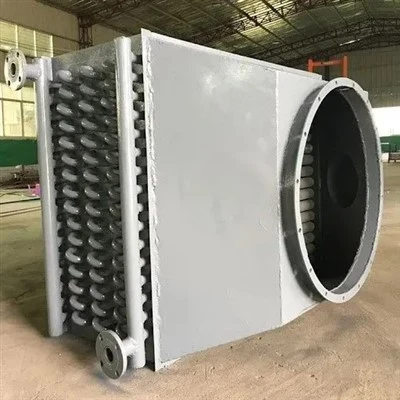
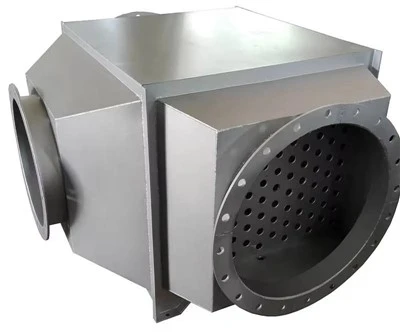
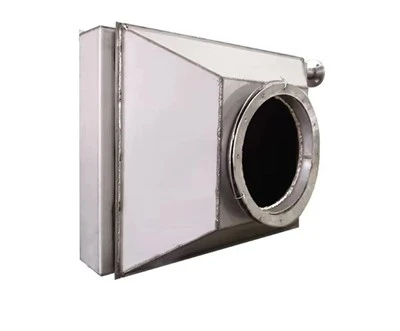
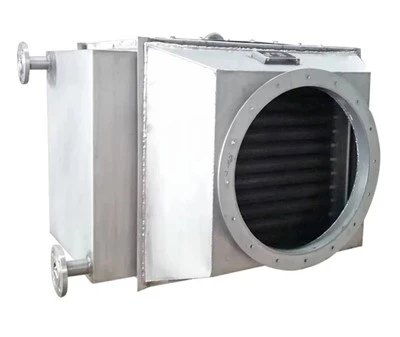
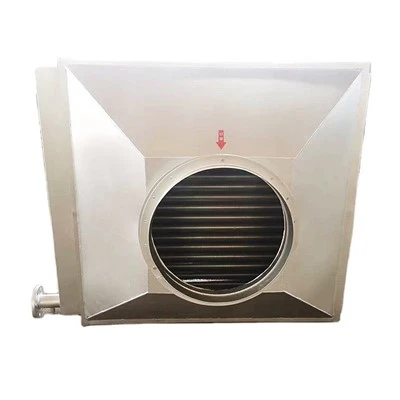
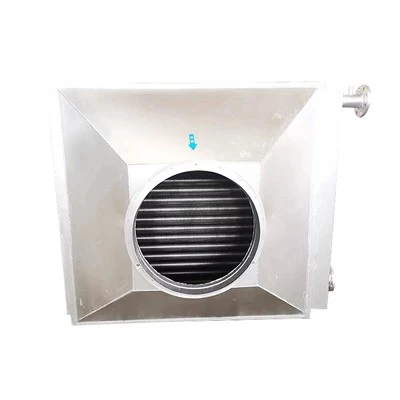
Your Professional Heat Recovery System Supplier
Shenzhen Hylita Heat Exchange Equipment Co., Ltd. was established on July 2, 2015, located in Maluan Chuanggu Industrial Park, Jinlong Avenue, Shahu Community, Biling Street, Pingshan District, Shenzhen. The company focuses on the development and sales of refrigeration and heat exchange equipment technology, and also involves fields such as metal processing and component manufacturing.we have always been guided by meeting customer needs, continuously optimizing products and services, and gradually emerging as a promising enterprise in the field of heat exchange equipment.
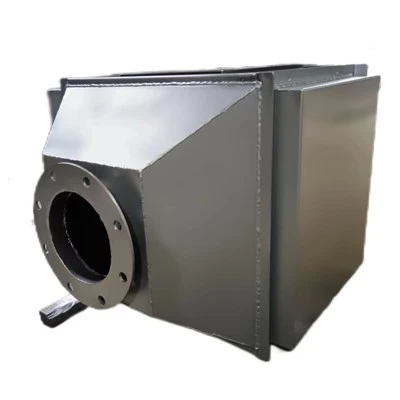
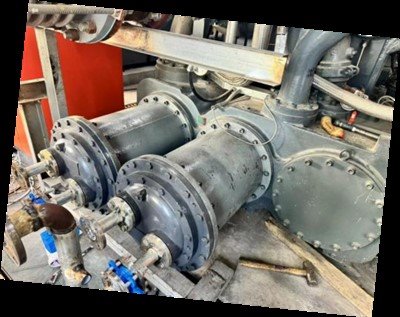
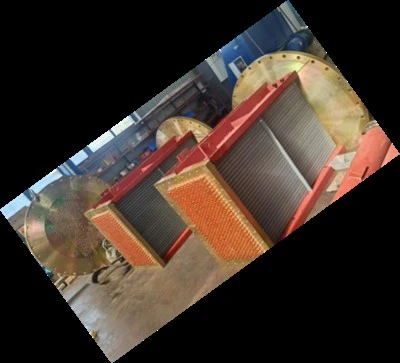
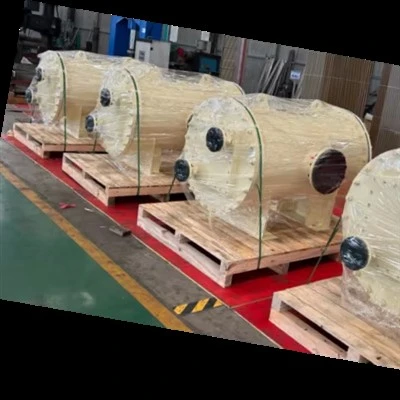
Why Choose Us
Product Application
The products of Shenzhen Hylita Heat Exchange Equipment Co., Ltd. have a wide range of applications. In the field of chemical engineering, it is used for heating, cooling, and heat recovery of reaction materials to ensure efficient and stable production. In the energy industry, assisting power plant turbine cooling, waste heat recovery, and improving energy utilization efficiency. In terms of HVAC, regulate indoor temperature and humidity to create a comfortable space. In food processing, it is used for sterilization and cooling processes to ensure food safety. In the pharmaceutical process, precise temperature control is used to meet the stringent requirements of drug production.
Production Market
Our heat exchanger products are popular in multiple regions around the world, particularly in Southeast Asia where they are highly favored by customers in countries such as Indonesia, Malaysia, and Thailand. Due to the vigorous development of industry in Indonesia, the demand for heat exchangers has surged.
Our Service
Shenzhen Hylita Heat Exchange Equipment Co., Ltd. has established a full process service system to provide customers with professional and thoughtful support.
Our Factory
Shenzhen Hylita Heat Exchange Equipment Co., Ltd. is located in Guangdong, China, with a spacious factory of nearly 4000 square meters. There are currently 45 workers, and the annual production equipment requires over 20 million tons of metal materials.
Advantages of Heat Recovery System
Clean, Pollutant Free Airflow
The first and most important advantage of the Heat recovery (HRV) system is its ability to produce a healthier and more comfortable interior atmosphere. A heat recovery unit functions to rapidly remove contaminated air while delivering clean, filtered air to the remaining areas of the property.
More Energy Efficient
Warm air can be efficiently supplied to your home via heat recovery ventilation, which helps maintain a comfortable internal temperature. The system's ability to convert present air into proper heat makes it environmentally friendly.
Reduce Carbon Emissions
Heat recovery ventilation is a highly effective way to lower the carbon emissions from your home, given that it is an energy-efficient alternative for buildings. HRV systems constantly lower CO and N2 levels, especially in the winter and during inclement weather. By reducing gas emissions, you can take part in taking care of the environment.
Elimination Of Condensation
A heat recovery system provides whole-house ventilation while filtering air to eliminate impurities. Moisture and vapor are also eliminated from the air by this method. This is crucial for removing extra building moisture that can lead to condensation and humidity.
Constant & Even Air Supply
One of the positive aspects of a heat recovery ventilation system is that it produces a steady and balanced flow of warm air. This contrasts with conventional radiator systems, which waste money and energy by causing hot and cold patches throughout the house. Through a ducting system, heat recovery ventilation provides continuous airflow. As a result, the whole house will enjoy a far more comfortable interior atmosphere.
No Additional Kit Required
Any new system you put in your house must be fine with the design and layout of the space. The HRV doesn't need any extra equipment to provide your house with a better interior environment, and it's one of the main benefits of the heat recovery ventilation system. The system is a discreet and small addition to the house since it doesn't require extractor fans, trickle vents, or background ventilators.
Core Specifications Table
|
Category |
Detail |
Impact |
|
Materials |
Stainless steel (SS) economizer tubes (316L) |
Resists corrosion in high - temp, acidic flue gas environments |
|
Heat Transfer |
Enhanced fin design; 800 W/m²K coefficient |
Efficiently recovers heat from ≤400°C exhaust gases |
|
Pressure Rating |
Up to 10 MPa |
Handles high - volume steam/feedwater flows in industrial boilers |
|
Temperature Range |
Flue gas: ≤400°C; Feedwater preheat: 50–80°C |
Reduces boiler fuel consumption by up to 20% |

Heat recovery systems work by drawing on that potentially valuable warm air or water in a property and getting it to work just a little bit harder for us. In a world without a green technology like heat recovery, air circulates around an office, becomes stale and is replaced by colder air that it is warmed up by the ventilation system.
Heat recovery systems don’t replace the need for a boiler or other technology to heat your radiators but it does help them work more efficiently by recycling that warm air ensuring that you get the most out of it. For domestic premises, a recovery system could help save on energy bills and keep the house warm during the winter months. It’s easier to loose valuable heat in our homes, we simply open a window and that warm air just flies up into the atmosphere. With a ventilation system you get fresh, warm air constantly circulating through the house.
A heat recovery system can work via a ventilation system which is positioned at the top of the building. Rather than just draw the stale air out and replace it with new stuff, it first of all works to draw the heat from the outgoing air and passes it to the air which is coming in. Heat recovery ventilation works independently of your normal heating system.
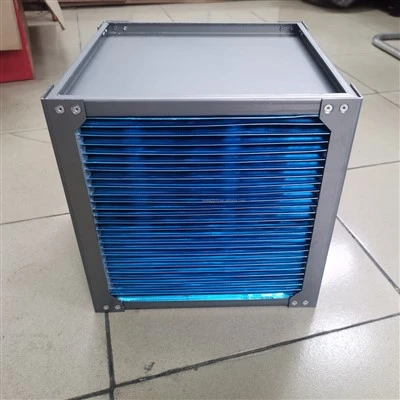
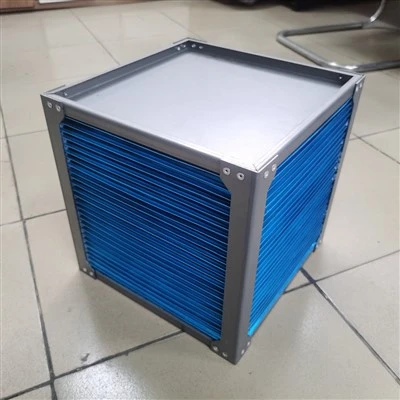
N each room there are ventilation ducts with filters that feed the air in and out of the space, all leading to a heat exchanger that is either placed in the loft or on the roof of a building. This heat exchanger is the brain of the heat recovery system, moving the stale air through hundreds of small pipes whilst drawing in cold air from outside in other ducts. These flow past each other without mixing physically but the heat is drawn from the stale air to the cold air, which is then fed back down into the pipes and into the rooms. The stale air, minus its heat, is then expelled into the atmosphere.
Key Features of Heat Recovery System
Heat and Moisture Recovery
Heat Recovery System in transferring both heat and moisture. It efficiently recovers up to 80% of the energy from outgoing air, reducing the reliance on additional heating or humidification.
Humidity Balance
Heat Recovery System are particularly effective in regions with high humidity levels. By transferring moisture from the incoming air to the outgoing air, they help maintain a balanced indoor humidity level, preventing issues like excessive condensation or dryness.
Energy Efficiency
Similar to Heat Recovery System, Heat Recovery System are designed to minimize energy loss. Heat Recovery System can recover up to 80% of the energy from exhaust air, significantly reducing overall energy consumption .
Indoor Air Quality
Heat Recovery System incorporate fil ters that capture airborne pollutants, ensuring the delivery of fresh and clean air to the occupants. This feature contributes to improved indoor air quality and a healthier living environment.
Application of Heat Recovery System
Cargo Ships
Integrates into the ship's engine and boiler systems to recover exhaust heat. This enhancement in fuel efficiency leads to reduced operating costs, which is crucial for the cost - sensitive cargo shipping industry.
Cruise Liners
Helps improve the energy efficiency of cruise ships, ensuring optimal use of energy resources while maintaining a high level of onboard comfort and service. It also supports compliance with increasingly strict environmental emission regulations.
Naval Vessels
Plays a vital role in improving energy efficiency for long - duration naval missions. It ensures that the vessel can make the best use of onboard energy resources while maintaining excellent propulsion performance.
Shipping and Delivery
Packaging Details
Protected by PE bags, small boxes, and wooden cartons. This ensures the safe transportation and delivery of the product, even during long - distance maritime - related shipping.
Delivery Time
10 - 20 days (The delivery time may vary depending on the order complexity and customization requirements, with a commitment to timely delivery to minimize any potential impact on vessel operations)
We're professional heat recovery system manufacturers and suppliers in China, providing high quality customized products with low price. We warmly welcome you to wholesale heat recovery system for sale here from our factory.