


Heat Exchanger Coil
Your Professional Heat Exchanger Coil Supplier
Shenzhen Hylita Heat Exchange Equipment Co., Ltd. was established on July 2, 2015, located in Maluan Chuanggu Industrial Park, Jinlong Avenue, Shahu Community, Biling Street, Pingshan District, Shenzhen. The company focuses on the development and sales of refrigeration and heat exchange equipment technology, and also involves fields such as metal processing and component manufacturing.we have always been guided by meeting customer needs, continuously optimizing products and services, and gradually emerging as a promising enterprise in the field of heat exchange equipment.


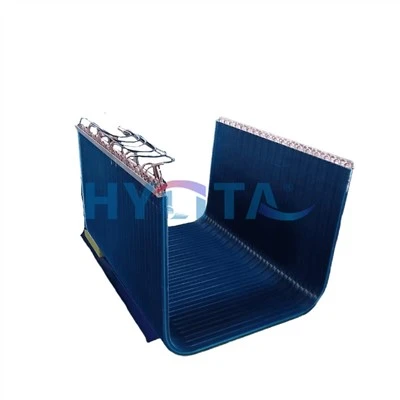
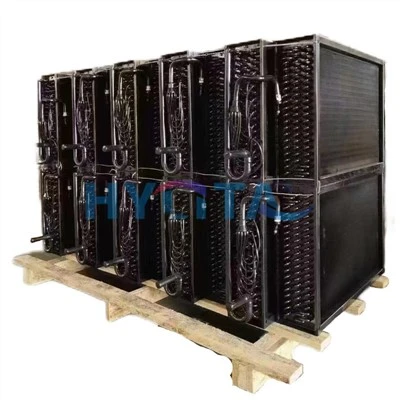
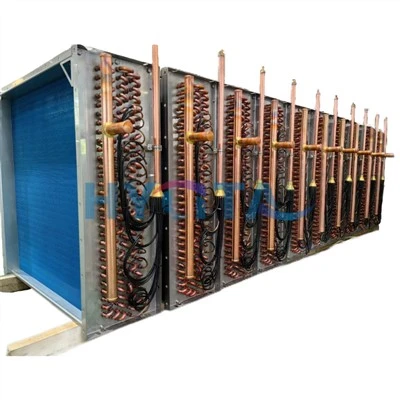
Why Choose Us
Product Application
The products of Shenzhen Hylita Heat Exchange Equipment Co., Ltd. have a wide range of applications. In the field of chemical engineering, it is used for heating, cooling, and heat recovery of reaction materials to ensure efficient and stable production. In the energy industry, assisting power plant turbine cooling, waste heat recovery, and improving energy utilization efficiency. In terms of HVAC, regulate indoor temperature and humidity to create a comfortable space. In food processing, it is used for sterilization and cooling processes to ensure food safety. In the pharmaceutical process, precise temperature control is used to meet the stringent requirements of drug production.
Production Market
Our heat exchanger products are popular in multiple regions around the world, particularly in Southeast Asia where they are highly favored by customers in countries such as Indonesia, Malaysia, and Thailand. Due to the vigorous development of industry in Indonesia, the demand for heat exchangers has surged.
Our Service
Shenzhen Hylita Heat Exchange Equipment Co., Ltd. has established a full process service system to provide customers with professional and thoughtful support.
Our Factory
Shenzhen Hylita Heat Exchange Equipment Co., Ltd. is located in Guangdong, China, with a spacious factory of nearly 4000 square meters. There are currently 45 workers, and the annual production equipment requires over 20 million tons of metal materials.
Advantages of Heat Exchanger Coil
Efficient Heat Transfer
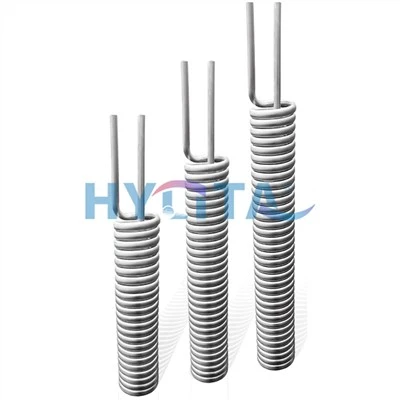
The coiled structure increases the surface area for heat transfer, enhancing the overall efficiency of the system.
01
Compact Design
Ideal for applications with limited space, the coiled tubes allow for a compact heat exchange solution.
02
Versatility
Suitable for use with various fluids, making them adaptable to a wide range of industries.
03
Low Maintenance
Coil-type heat exchangers have fewer issues with fouling or clogging, resulting in less maintenance over time.
04
Durability
Built with corrosion-resistant materials, coil-type heat exchangers tend to have a longer operational lifespan.
05
Core Components & Materials
|
Component |
Material/Specification |
Function & Advantage |
|
Tubes |
High - purity copper tubes (10mm OD) |
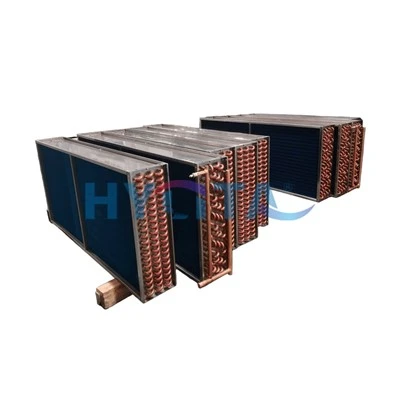
Ensure excellent thermal conductivity for rapid heat transfer from server exhaust |
|
Fins |
Ultra - thin aluminum fins (0.1mm thick) |
Create turbulence, boosting heat transfer by 40% for efficient cooling |
|
Cooling Capacity |
Rated for 150 - 300+ kW |
Provides sufficient cooling for data center server racks |
Types of Heat Exchanger Coil
01
Air Coil Heat Exchangers
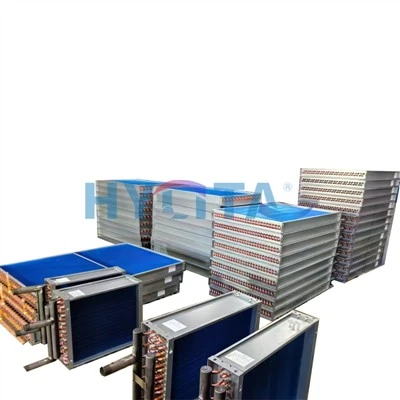
These are commonly used in HVAC systems to either heat or cool the air inside buildings.
02
Water Coil Heat Exchangers
Water flows through the coils, while air or another fluid surrounds the coils. They are often used in industrial applications for cooling or heating water-based fluids.
03
Refrigerant Coil Heat Exchangers
Refrigerants flow through the coils and absorb heat from the surrounding environment. These are typically used in refrigeration and air conditioning systems.

Proper Material Selection
Choose materials resistant to corrosion, especially if the fluids involved are aggressive or have high temperature and pressure.
Avoid Overheating
Ensure that the hot fluid does not exceed the temperature ratings of the coil material to prevent structural damage or reduced efficiency.
Regular Maintenance
Periodically check the coils for signs of fouling or buildup, especially when using air or water with high particulate matter.
Correct Fluid Flow Rate
Ensure the correct flow rate of both the hot and cold fluids to prevent excessive turbulence or insufficient heat exchange.
Monitor Pressure Levels
Ensure pressure inside the coil is within the manufacturer's recommended limits to avoid damage and failures.
Applications of Heat Exchanger Coil
HVAC Systems: Used for heating or cooling air and maintaining desired indoor temperatures.
Automotive Cooling: Used for cooling engine fluids, transmission oils, and refrigerants in vehicles.
Refrigeration and Air Conditioning: Crucial in transferring heat from refrigerant to air or water in HVAC systems.
Industrial Cooling Systems: Used to regulate temperature in compressors, turbines, and reactors.
Food and Beverage Industry: Used for heating, cooling, or pasteurizing food products.
Renewable Energy: Used in solar and geothermal systems for heat transfer in energy conversion processes.
Pricing & Logistics
Price
Varies based on coil dimensions, alloy grade, and customization. Contact for a detailed quote tailored to offshore project requirements.
Packaging
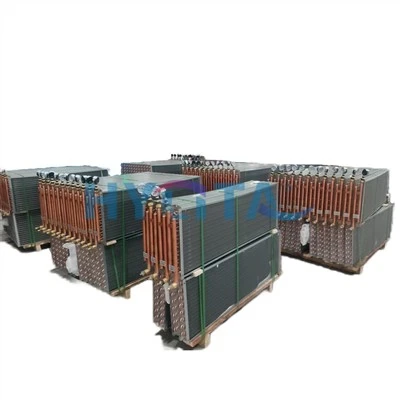
Designed for offshore transport, with anti - corrosion packaging to protect coils during transit to remote platform locations.
Delivery Time
15 - 30 days, adjusted for customization complexity and offshore logistics planning.
We're professional heat exchanger coil manufacturers and suppliers in China, providing high quality customized products with low price. We warmly welcome you to wholesale heat exchanger coil for sale here from our factory.