


Plate Heat Exchanger
Your Professional Plate Heat Exchanger Supplier
Shenzhen Hylita Heat Exchange Equipment Co., Ltd. was established on July 2, 2015, located in Maluan Chuanggu Industrial Park, Jinlong Avenue, Shahu Community, Biling Street, Pingshan District, Shenzhen. The company focuses on the development and sales of refrigeration and heat exchange equipment technology, and also involves fields such as metal processing and component manufacturing.we have always been guided by meeting customer needs, continuously optimizing products and services, and gradually emerging as a promising enterprise in the field of heat exchange equipment.

Why Choose Us
Product Application
The products of Shenzhen Hylita Heat Exchange Equipment Co., Ltd. have a wide range of applications. In the field of chemical engineering, it is used for heating, cooling, and heat recovery of reaction materials to ensure efficient and stable production. In the energy industry, assisting power plant turbine cooling, waste heat recovery, and improving energy utilization efficiency. In terms of HVAC, regulate indoor temperature and humidity to create a comfortable space. In food processing, it is used for sterilization and cooling processes to ensure food safety. In the pharmaceutical process, precise temperature control is used to meet the stringent requirements of drug production.
Production Market
Our heat exchanger products are popular in multiple regions around the world, particularly in Southeast Asia where they are highly favored by customers in countries such as Indonesia, Malaysia, and Thailand. Due to the vigorous development of industry in Indonesia, the demand for heat exchangers has surged.
Our Service
Shenzhen Hylita Heat Exchange Equipment Co., Ltd. has established a full process service system to provide customers with professional and thoughtful support.
Our Factory
Shenzhen Hylita Heat Exchange Equipment Co., Ltd. is located in Guangdong, China, with a spacious factory of nearly 4000 square meters. There are currently 45 workers, and the annual production equipment requires over 20 million tons of metal materials.
- High heat transfer coefficient. The plate heat exchanger has a small flow path, the plate is a corrugation shape, and the section change is complicated, so that the fluid flow direction and velocity are constantly changed, the fluid disturbance is increased, and the turbulence can be achieved at a small flow rate, which has a high Heat transfer coefficient. It is especially suitable for liquid-liquid heat exchange and fluid heat exchange with large viscosity.
- Great adaptability. The required heat transfer area can be achieved by increasing or decreasing the heat exchanger plates. A heat exchanger can be divided into several units to accommodate simultaneous heating or cooling of several fluids.
- Compact structure, small size and low consumables. The heat transfer area per cubic meter volume can reach 250 m2, and only about 15 kg metal per square meter of heat transfer surface.
- High heat transfer coefficient and low metal consumption, making heat transfer effective( 85% to over 90%.).
- Easy to remove, wash and repair.
- The fouling factor is small. Due to the large flow disturbance, the dirt is not easy to deposit; the plate used is good in material and rarely corroded, which makes the fouling coefficient value small.
- Plate heat exchangers are made of sheet metal, so the raw materials price is lower than that same kind of pipes of the.
Materials
|
Plate Material Characteristics |
|
|
Material |
Application |
|
SS304 |
Drink water, None Corrosive Liquid, Oils, Fresh Steam etc. |
|
SS316L |
Well water, river water, closed circulating water and other water with complex components, Dilute sulfuric acid with temperature ≤ 50 ℃ and concentration ≤ 10% etc. |
|
Titanium |
Liquid that contains chlorine iron, Sea water etc. |
|
Titanium Palladium Alloy |
Higher temperature and corrosion resistance than titanium. |
|
Nickel 20 |
It is mainly used for caustic solution (NaOH, Koh, etc.) with high concentration (50% ~ 70%) and high temperature (boiling point). |
|
Hastelloy C-276 |
It has good corrosion resistance, almost not affected by Cl -, excellent corrosion resistance to various concentrations of |
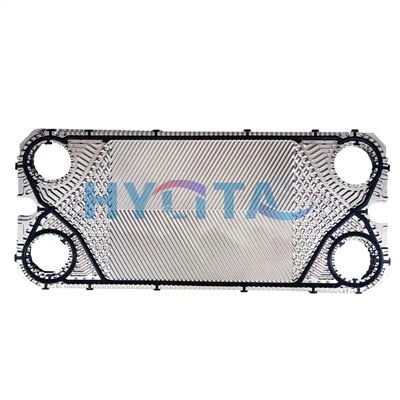
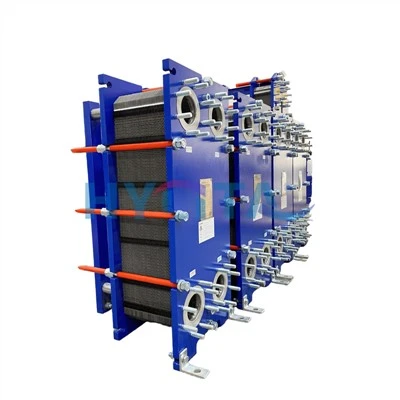
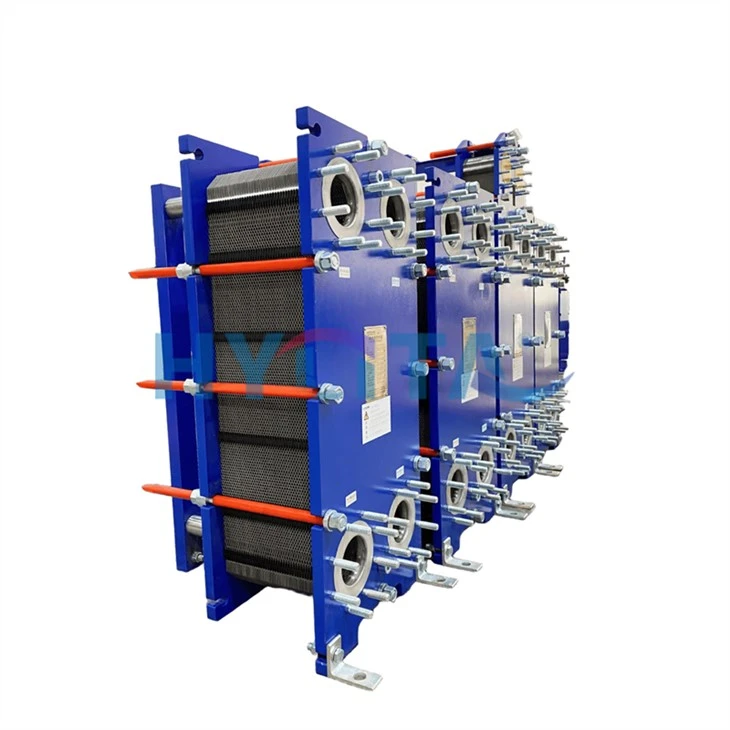
Gasketed Plate Heat Exchangers are the most common type of PHE. They’re made up of a series of plates, each with a gasket bolted together. The gaskets prevent the two fluids from coming into direct contact with each other but allow them to flow past each other to transfer heat.
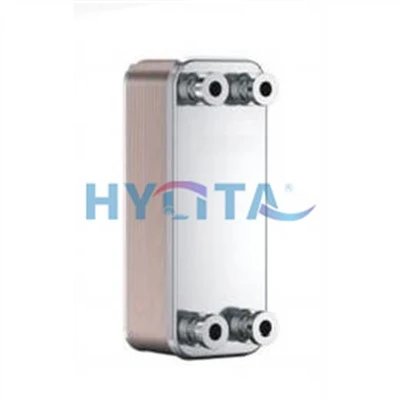
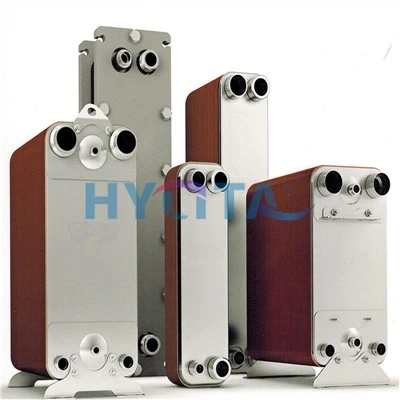
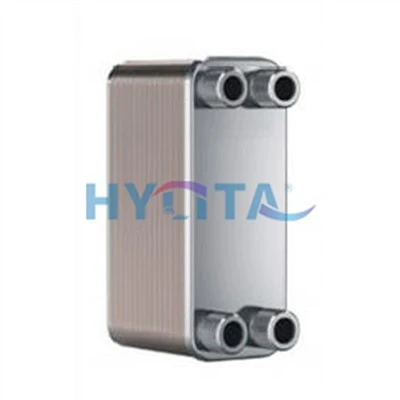
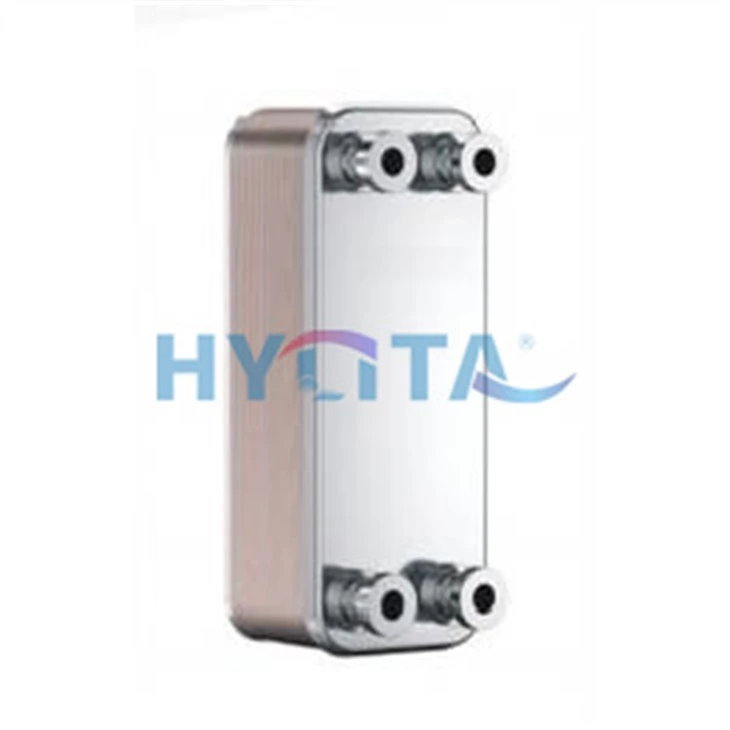
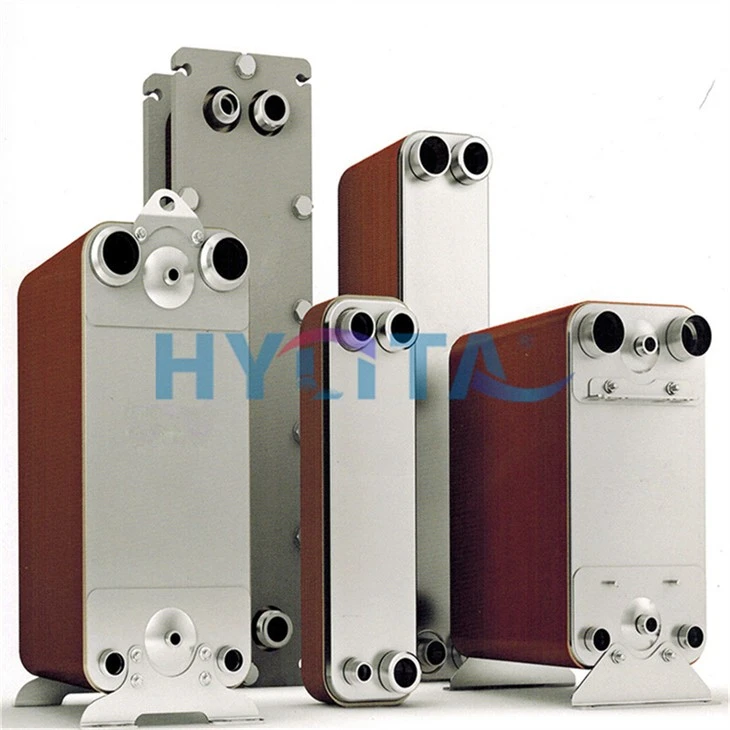
Brazed Plate Heat Exchangers are similar to gasketed plate heat exchangers, but the plates are joined together with a brazing material instead of gaskets. It makes them more resistant to high temperatures and pressures. These are often used in power plants and other heavy industrial applications.
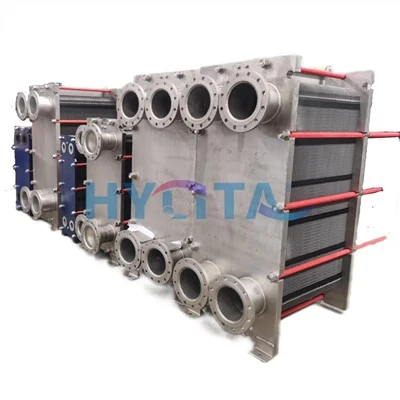
Welded Plate Heat Exchangers (WPHEs) are made of a series of welded plates. They can be made from various metals, including stainless steel, carbon steel, and nickel alloys. WPHEs are often used in applications with high pressure or temperature potential. Welded plate heat exchangers are made by welding the plates together at the edges.
How It Works Of Plate Heat Exchanger
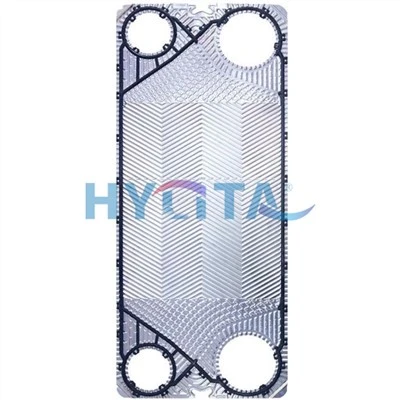
The heat transfer area of a gasketed plate heat exchanger is from corrugated plates. These are between the frame and pressure plates. The gaskets act as seals between the plates.
Fluids run counter-current through the heat exchanger. This gives the most efficient thermal performance. It also enables a very close temperature approach. For instance, the temperature difference between the entering and exiting service mediums.
For heat-sensitive or viscous media, cold fluid convenes with hot fluid. This minimises the risk of the media from overheating or freezing.
Plates are available in various pressing depths, chevron angled pattern, and corrugated shapes. All designed for optimal performance. Depending on the application, each product range has its specific plate features.
The distribution area ensures fluids flow to the entire heat transfer surface. This helps to avoid stagnant zones that may cause fouling.
High flow turbulence between plates results in higher heat transfer and pressure drop. Alfa Laval thermal designs are customisable. To suit various applications for the greatest thermal performance with the least pressure drop.
- Frame Plate Cutting
- Frame Plate Machining
- Part Machining
- Frame Welding
- Polishing
- Frame Machining
- Part Welding
- Plate Sheet Cutting
- Plate Pressing
- Plate Hole Impacting
- Plate Inspection
- Plate Welding
- Assembling
- Surface Treatment
- Test & Cleaning
- Finish
Applications Of Plate Heat Exchanger
Mechanical Industry
During the operation of the machine, the temperature of the hydraulic oil will increase after frequent work. In order to ensure the process, the return hydraulic oil needs to be cooled and recycled for use.
Chemistry
The plate heat exchangers have been widely used in various processes in the chemical industry due to their high heat exchange efficiency, compact size, easy disassembly and maintenance, and easy capacity expansion at any time.
Food & Beverage
Sterilization in the processing of food and beverage heating, evaporation, crystallization, and beer. In the food and beverage industry, the plate heat exchanger is used in the heating of clear juice, the heating of thin juice in the exudation method, the heating of syrup molasses before entering the tank, and the final cooling of the molasses (before entering the waste honey tank).
New energy
Fuel ethanol (deep processing of corn and potato): In the mash saccharification, liquefaction, and fermentation stages, the mash cooler at each stage has high viscosity and solid content of the heat exchange medium, which requires high selection of heat exchange equipment.
Pharmaceutical Industry
Water bath sterilization cabinet: In the sterilization cabinet, the plate heat exchanger is used for heating and cooling, that is, the two working conditions (high temperature sterilization, post cooling) are intermittently realized in the same equipment,high requirements for heat exchanger pressure capacity and gasket quality.
Marine
Water cooling: central cooling (fresh water cooler), piston coolant cooling, jacket cooling, water heater, centralized heater.
Packaging & Logistics
Packaging
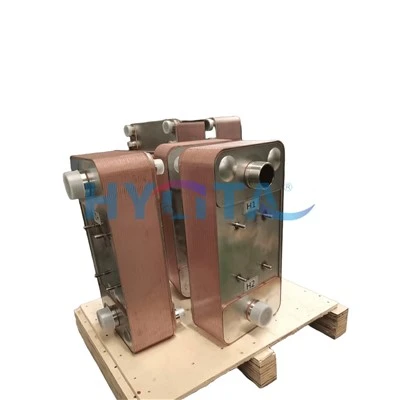
Protected with anti - scratch and shock - absorbing materials. Plates are separated to prevent damage during transit, and the frame is secured in a sturdy crate.
Delivery Time
7 - 17 working days after order confirmation, depending on customization (e.g., plate quantity, gasket material). Shipped via freight carriers suitable for industrial equipment.
We're professional plate heat exchanger manufacturers and suppliers in China, providing high quality customized products with low price. We warmly welcome you to wholesale plate heat exchanger for sale here from our factory.