


Blog
-
07
Apr
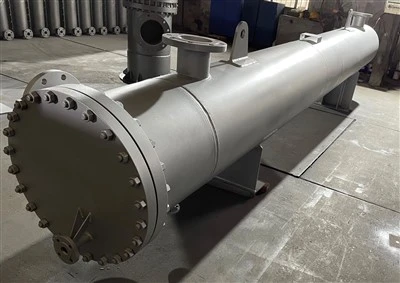
What Process Conditions Are Suitable For Shell-And-Tube Heat Exchangers?This article discusses the selection principles and optimization strategies for shell-and-tube heat exchanger process conditions from three aspects: temperature, pressure drop, and fluid space, combin
Read More -
23
Mar
Heat Exchanger Classification: A Complete Guide To Types, Structures & Applic...Heat Exchanger Classification: A Complete Guide to Types, Structures & Applications Heat exchangers are devices that transfer heat between two or more fluids, widely used in industries such as pet
Read More -
23
Mar
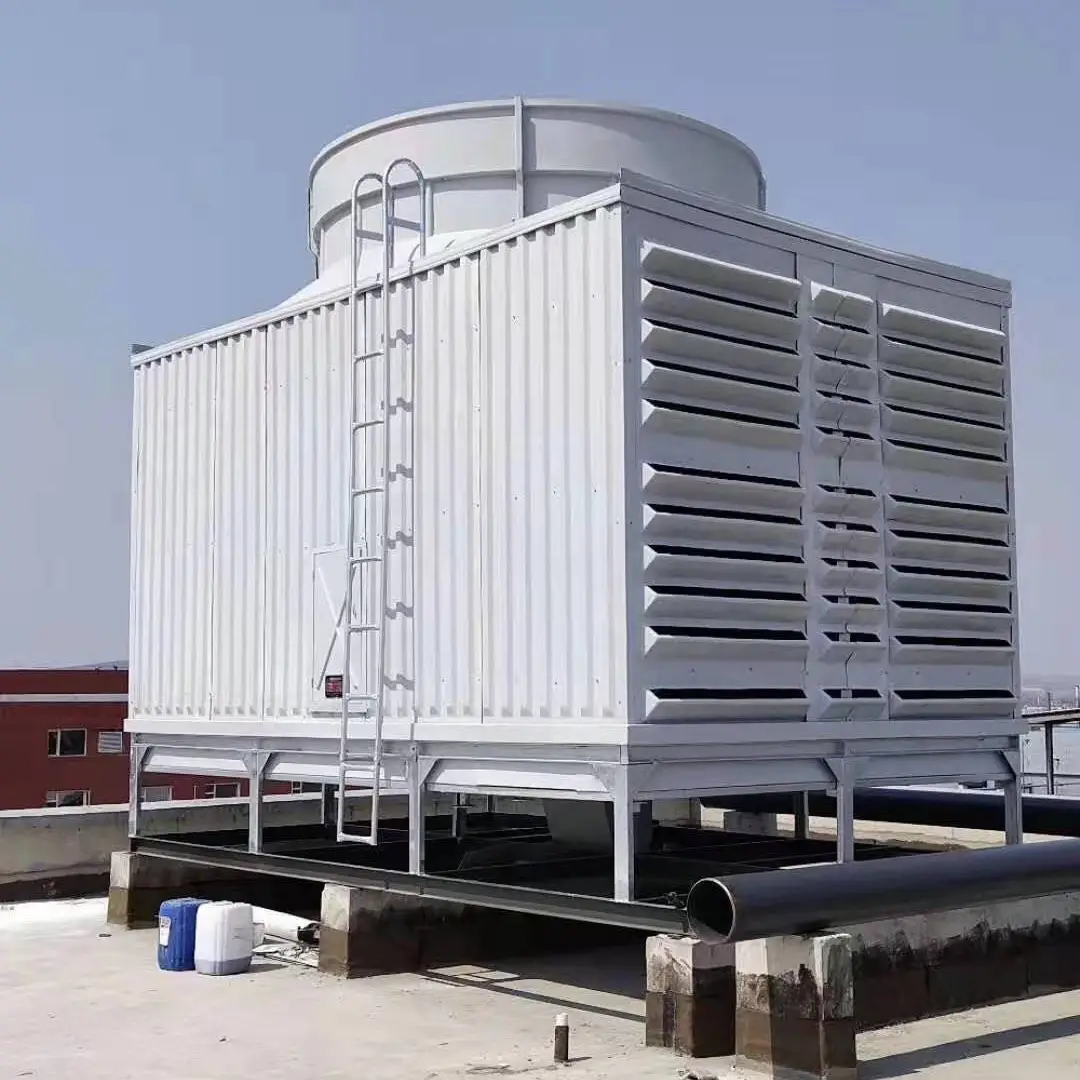
Cooling Tower Technology: Principles, Selection & Optimization For HVAC SystemsCooling Tower Technology: Principles, Selection & Optimization for HVAC Systems Cooling towers are indispensable components in central air conditioning systems, primarily responsible for cooling t
Read More -
11
Mar
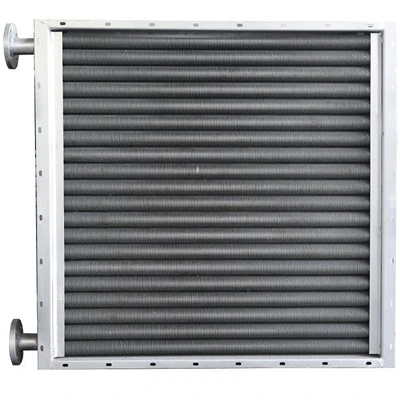
Working principle and classification of steam heat exchangerSteam heat exchanger is a device that uses steam as a heat source and transfers the thermal energy in the steam to water or air through heat exchange. It is widely used in industrial production, urban
Read More -
11
Mar
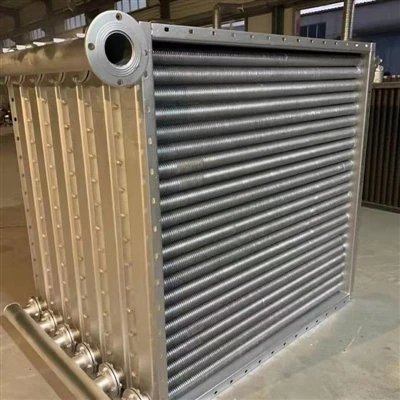
Working principle and classification of steam heatersA steam heater is a device that uses steam as a heat source to transfer thermal energy to another medium (such as air, water or process fluid). Compared with the "steam heat exchanger" discussed in th
Read More -
11
Mar
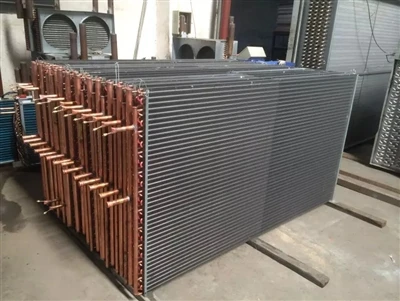
Steam Heaters: Working Principles and ClassificationsA steam heater is a standard heat exchange device widely applied in petrochemical, food processing, metallurgical, and air separation industries. It functions by utilizing the latent heat released dur
Read More -
30
Jan
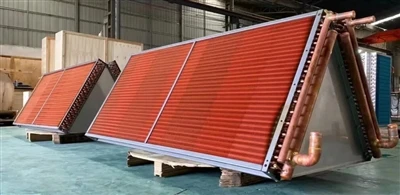
Advantages and Disadvantages of V-shaped EvaporatorAdvantages and Disadvantages of V-shaped Evaporator The V-shaped evaporator is mainly made to improve heat exchange efficiency and optimize structural layout. The core benefits are three points: 1. In
Read More -
30
Jan
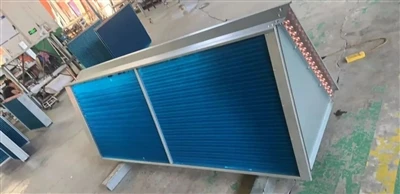
How does a condenser workThe condenser is the core heat exchange device in the refrigeration system. Its working principle is to cool and condense the high-temperature and high-pressure gaseous refrigerant discharged from the
Read More -
30
Jan
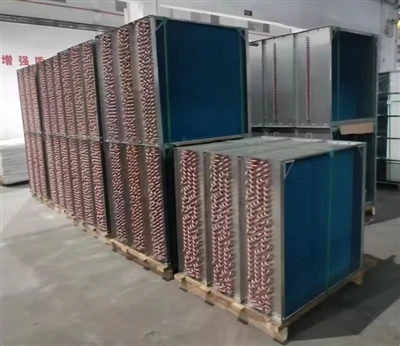
Surface cooler freezing prevention and treatment methodsSurface cooler freezing prevention and treatment methods 1. Control the water supply temperature to not be lower than 2°C, and the fan is linked to the waterway (first turn on the fan and then tur
Read More -
30
Jan
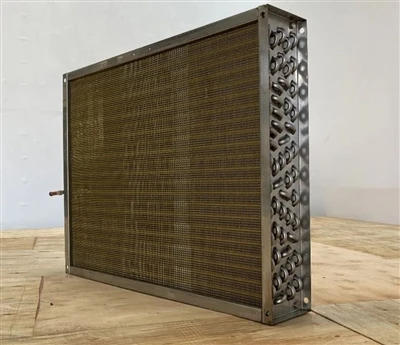
Heat exchanger pipe selection guideThe primary basis for pipe selection is the specific working conditions, which directly determines the corrosion resistance and mechanical performance requirements of the material.
Read More -
23
Jan
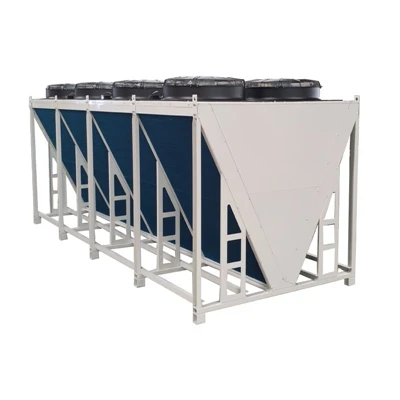
What is the difference between copper tube evaporators and stainless steel tu...What is the difference between copper tube evaporators and stainless steel tube evaporators? 1. Material properties : Copper tubes have high thermal conductivity and better heat exchange efficiency th
Read More -
![The Battle for the [Heart] of Heat Exchangers: Are Copper Tubes the Everlasti...](/uploads/44150/info/n2026012217385671ac1.jpg)
22
Jan
The Battle for the [Heart] of Heat Exchangers: Are Copper Tubes the Everlasti...1. Performance showdown: comparison of core capabilities of the two main materials The greatest advantage of copper tube heat exchangers lies in their excellent thermal conductivity. In the field of i
Read More