


Can heating coils be used in a laser cutter's cooling system?
In the world of industrial technology, laser cutters are renowned for their precision and efficiency. These high - powered machines generate a significant amount of heat during operation, which necessitates an effective cooling system to maintain optimal performance and prevent damage. As a heating coils supplier, I often get asked whether heating coils can be used in a laser cutter's cooling system. In this blog, I'll explore this question from a scientific and practical perspective.
Understanding Laser Cutter Cooling Systems
Before delving into the potential use of heating coils, it's essential to understand how a typical laser cutter cooling system works. Laser cutters generate heat through the laser source, the power supply, and the movement of mechanical components. Excessive heat can lead to thermal lensing, where the laser beam's quality degrades, and it can also cause mechanical parts to expand, affecting the cutter's accuracy.
Most laser cutter cooling systems use a combination of water - based cooling and heat exchangers. Water is circulated around the heat - generating components to absorb the heat. The heated water is then passed through a heat exchanger, where the heat is transferred to the surrounding air or another cooling medium. This process ensures that the temperature of the laser cutter remains within a safe operating range.
The Role of Heating Coils
Heating coils are primarily designed to add heat to a system. They work by passing an electric current through a resistive element, which generates heat as a by - product. In traditional applications, heating coils are used in devices such as water heaters, ovens, and industrial furnaces.
At first glance, the idea of using heating coils in a cooling system seems counterintuitive. After all, the goal of a cooling system is to remove heat, not add it. However, there are some scenarios where heating coils could potentially play a role in a laser cutter's cooling system.
Potential Applications of Heating Coils in Laser Cutter Cooling Systems
Temperature Regulation
One possible application is temperature regulation. In some cases, the cooling system of a laser cutter may over - cool the components, especially in cold environments or during periods of low - power operation. By incorporating a heating coil into the cooling loop, it's possible to add a small amount of heat to the coolant to maintain a stable temperature. This can help prevent thermal shock and ensure that the laser cutter operates at its best performance.
For example, if the coolant temperature drops too low, the viscosity of the coolant may increase, which can affect the flow rate and the efficiency of the cooling system. By using a heating coil to raise the coolant temperature slightly, the viscosity can be kept within an optimal range, improving the overall performance of the cooling system.
Defrosting
In regions with cold climates, there is a risk of the coolant freezing in the cooling system. A heating coil can be used as a defrosting mechanism. When the temperature drops below the freezing point of the coolant, the heating coil can be activated to melt the ice and prevent damage to the cooling system components. This is particularly important for laser cutters that are used in outdoor or unheated industrial environments.
Considerations and Challenges
While there are potential applications for heating coils in a laser cutter's cooling system, there are also several considerations and challenges that need to be addressed.
Energy Consumption
Heating coils consume electrical energy to generate heat. Adding a heating coil to a cooling system will increase the overall energy consumption of the laser cutter. This can lead to higher operating costs and may not be environmentally friendly. Therefore, it's crucial to carefully design the heating coil system to minimize energy consumption. For example, the heating coil can be controlled by a thermostat so that it only operates when necessary.
Compatibility
The heating coil must be compatible with the cooling system's components. It should be made of materials that are resistant to corrosion and can withstand the coolant's chemical properties. Additionally, the heating coil's power rating and size need to be carefully selected to ensure that it can provide the necessary amount of heat without overheating the coolant or causing damage to the cooling system.
Safety
Safety is always a top priority in industrial applications. Heating coils can pose a fire hazard if they are not properly installed or maintained. Therefore, appropriate safety measures, such as over - temperature protection and short - circuit protection, need to be in place.
Our Offerings as a Heating Coils Supplier
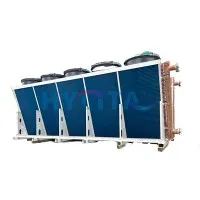
As a heating coils supplier, we offer a wide range of heating coils that are suitable for various industrial applications, including potential use in laser cutter cooling systems. Our Stainless Heat Exchanger Coil is made of high - quality stainless steel, which is corrosion - resistant and can withstand high temperatures. This makes it an ideal choice for use in a cooling system where it may come into contact with coolant.
We also provide custom - made heating coils to meet the specific requirements of our customers. Whether you need a heating coil with a specific power rating, size, or shape, our team of experts can design and manufacture a solution that fits your needs.

Conclusion
In conclusion, while it may seem unusual, heating coils can have potential applications in a laser cutter's cooling system, mainly for temperature regulation and defrosting purposes. However, there are several considerations and challenges that need to be addressed, such as energy consumption, compatibility, and safety.
If you are interested in exploring the use of heating coils in your laser cutter's cooling system, we encourage you to get in touch with us. Our team of experts can provide you with more information about our products and help you find the right solution for your needs. We look forward to discussing your requirements and working with you to optimize your laser cutter's performance.
References
- Laser Cutter Technology Handbook, Industrial Laser Association
- Cooling System Design for High - Power Equipment, Thermal Engineering Journal
- Heating Coil Applications in Industrial Processes, Electrical Engineering Review