


Hey there! As a supplier in the waste heat recovery game, I've been thinking a lot about whether waste heat recovery can actually cut down on greenhouse gas emissions. Let's dig into this topic and see what we can find out.
First off, what exactly is waste heat recovery? Well, in a nutshell, it's the process of capturing and reusing heat that would otherwise be wasted. Industries like manufacturing, power generation, and even some commercial buildings generate a ton of heat as a by - product of their operations. This heat often just goes up the chimney or gets dissipated into the environment. But with waste heat recovery systems, we can capture this heat and use it for other purposes, like heating water, pre - heating combustion air, or even generating electricity.
Now, let's talk about greenhouse gas emissions. Greenhouse gases, such as carbon dioxide (CO₂), methane (CH₄), and nitrous oxide (N₂O), trap heat in the Earth's atmosphere and contribute to global warming. A large portion of these emissions come from burning fossil fuels for energy. When we waste heat, we're essentially using more fuel than we need to meet our energy demands. By recovering and reusing this waste heat, we can reduce our reliance on fossil fuels, and that's where the potential to cut greenhouse gas emissions comes in.
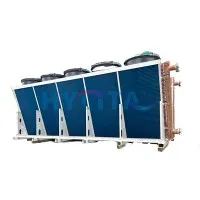
Let's take a look at some of the waste heat recovery equipment we offer. For example, our Exhaust Gas Heat Exchanger is a great tool for capturing heat from exhaust gases. In industrial processes, exhaust gases are often very hot, and by using an exhaust gas heat exchanger, we can transfer the heat from these gases to a fluid, like water or air. This heated fluid can then be used for other processes within the facility, reducing the need to burn more fuel to heat it.
Another important component is the Economizer Tube. Economizers are used in boilers and other heating systems to pre - heat the feedwater before it enters the boiler. By pre - heating the water, the boiler doesn't have to work as hard to reach the desired temperature, which means less fuel is burned. This not only saves energy but also reduces the amount of CO₂ and other greenhouse gases released into the atmosphere.
Our SS Economiser Heat Exchanger is made of stainless steel, which makes it highly resistant to corrosion and suitable for a wide range of applications. It can efficiently transfer heat from the flue gases to the water or other fluids, improving the overall energy efficiency of the system.
But does all this actually translate into a significant reduction in greenhouse gas emissions? Well, several studies have shown that it does. According to research, industries that implement waste heat recovery systems can reduce their energy consumption by up to 20 - 50%. When we reduce energy consumption, we're directly reducing the amount of fossil fuels burned, and that means fewer greenhouse gas emissions.
For instance, in a power plant, waste heat recovery can be used to generate additional electricity without burning more fuel. This is known as combined heat and power (CHP) or cogeneration. By using the waste heat from the power generation process to produce more electricity or heat, the overall efficiency of the plant can be increased from around 30 - 40% to as high as 80 - 90%. This significant increase in efficiency means that the same amount of fuel can produce more energy, resulting in lower CO₂ emissions per unit of energy produced.
In the manufacturing sector, waste heat recovery can also have a big impact. Many manufacturing processes, such as steelmaking, glassmaking, and chemical production, generate a large amount of waste heat. By implementing waste heat recovery systems, these industries can reduce their energy costs and their environmental footprint. For example, in a steel mill, the waste heat from the blast furnace can be used to pre - heat the air for combustion or to generate steam for other processes. This reduces the amount of coal or natural gas needed, which in turn reduces CO₂ emissions.
However, there are some challenges to implementing waste heat recovery systems. One of the main challenges is the initial cost. Installing waste heat recovery equipment can be expensive, and some companies may be hesitant to invest in it, especially if they're not sure about the return on investment. But it's important to look at the long - term benefits. Over time, the energy savings from waste heat recovery can offset the initial investment, and the reduction in greenhouse gas emissions can also help companies meet environmental regulations and improve their corporate social responsibility.
Another challenge is the technical complexity. Different industries have different waste heat sources and requirements, and designing and installing a waste heat recovery system that works effectively can be a complex process. That's where our expertise as a waste heat recovery supplier comes in. We have a team of engineers and technicians who can assess your specific needs, design a customized waste heat recovery system, and install and maintain it for you.
So, to answer the question “Can waste heat recovery reduce greenhouse gas emissions?” The answer is a resounding yes! Waste heat recovery has the potential to significantly reduce our energy consumption and greenhouse gas emissions. By using equipment like our Exhaust Gas Heat Exchanger, Economizer Tube, and SS Economiser Heat Exchanger, industries can capture and reuse waste heat, improve energy efficiency, and contribute to a more sustainable future.
If you're interested in learning more about how waste heat recovery can benefit your business and help you reduce your greenhouse gas emissions, we'd love to talk to you. Contact us to start a discussion about your waste heat recovery needs, and let's work together to make your operations more energy - efficient and environmentally friendly.
References


- Smith, J. (2020). "The Impact of Waste Heat Recovery on Energy Efficiency and Greenhouse Gas Emissions in Industrial Processes." Journal of Energy Management.
- Johnson, A. (2019). "Combined Heat and Power: A Solution for Reducing Greenhouse Gas Emissions in Power Generation." Energy Research.