


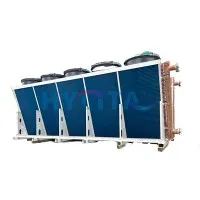
If you’ve ever stood in front of a running heat pump on a crisp fall morning and wondered how it turns cool outdoor air (or warm indoor air, depending on the season) into comfortable, consistent temperatures inside your home, the evaporator coil is the unsung hero of that process. As a supplier of high-performance evaporator coils, I’ve spent years working with HVAC technicians, contractors, and building owners to explain not just how these components work, but why choosing the right coil can make or break a heat pump’s efficiency and longevity. Let’s break down the science, the role the coil plays, and what to keep in mind when it’s time to upgrade or replace one.
First, let’s ground ourselves in the basics of a heat pump’s core function: unlike a furnace that generates heat by burning fuel, a heat pump moves heat from one place to another—either pulling heat from outdoor air and bringing it inside for heating, or absorbing heat from indoor air and releasing it outside for cooling. This is all done via a closed-loop refrigerant system, and the evaporator coil is the part of that system where the magic of heat transfer actually happens.
The refrigerant itself is a special fluid with a very low boiling point, typically between -20°F and 30°F, depending on the heat pump’s model and the season. In the evaporator coil, this refrigerant is in a low-pressure, low-temperature state, fed into the coil’s narrow tubes by an expansion valve (another key component of the heat pump). The coil itself is made to maximize surface area—usually constructed from thin metal tubes wrapped in fins—to expose as much of the refrigerant as possible to the air flowing through the coil. That’s the key: heat moves from warmer areas to cooler areas, so when air (either from inside your home’s ducts, or from outside, in ducted mini-split systems) passes over the coil, the heat in that air transfers into the cold refrigerant inside.
Wait, let’s clarify the cycle to make this concrete. For most homeowners in mild to moderate climates, a heat pump’s evaporator coil has two distinct roles, depending on the season. During cooling mode, which is what most people associate with heat pumps in summer, the evaporator coil is located inside the home, in the air handler unit. Warm, stale indoor air is blown over the cold evaporator coil; as the air’s heat transfers to the refrigerant, the air cools down, and the excess moisture in the air condenses on the coil’s fins—this is why your AC or heat pump dehumidifies while it cools, a huge bonus for comfort. The now-cool, dry air is pushed back into your home, while the refrigerant, now warmed up (it absorbed the heat from the air), flows to the outdoor condenser unit, where it releases that heat outside.
In heating mode, the cycle flips. The same evaporator coil moves outside, housed in the outdoor unit of the heat pump. Now, even when outdoor temperatures drop to as low as 20°F (most modern heat pumps can handle much colder, though efficiency drops), the refrigerant’s low boiling point lets it absorb heat from the thin air (or even from ground heat, in geothermal heat pump variations, but air-source is the most common residential type). The cold outdoor air passes over the evaporator coil, transferring its heat to the refrigerant, which then flows back inside to the condenser coil, now acting as a heat source to warm the indoor air.
That’s the core function, but there’s a lot more going on under the metal. The design of the evaporator coil is critical here. If the coil doesn’t have enough surface area, or if the tubes are sized wrong, the refrigerant won’t absorb heat efficiently, leading to higher energy bills and strain on the rest of the system. That’s why at our company, we work with engineers to design coils that balance tube diameter, fin spacing, and material to match specific heat pump models and usage environments.
Speaking of materials, this is where a lot of homeowners and contractors make a misstep when it comes to maintenance and upgrades. The two most common materials for evaporator coils are copper and stainless steel, each with their own advantages. Refrigeration copper coils are a long-standing industry standard, prized for their excellent thermal conductivity—meaning they transfer heat quickly and efficiently, which directly boosts a heat pump’s SEER (Seasonal Energy Efficiency Ratio) rating. They’re also flexible and easy to manufacture, making them a reliable choice for most residential and light commercial applications. If you’re looking to upgrade an aging heat pump or replace a failed coil, our Refrigeration Copper Coil line is engineered to fit all major heat pump brands, with precision-bonded fins to prevent air leaks that waste energy.


Stainless steel evap coils, on the other hand, are a game-changer for harsher environments. If you live in a coastal area with salt air, a region with high humidity that leads to frequent condensation and corrosion, or an industrial area with airborne contaminants, a stainless steel coil resists rust and degradation far better than copper. Corrosion is one of the top causes of evaporator coil failure—when a pinhole forms in a copper tube, refrigerant leaks out, and the entire system can shut down, leading to costly repairs. Our Stainless Steel Evap Coil line is built with marine-grade stainless steel that stands up to salt spray, moisture, and chemical exposure, extending coil lifespan by 2-3 years in harsh conditions compared to standard copper coils. This is a key consideration when it’s time for Evaporator Coil Replacement—don’t just replace a failed coil with the same material without considering your location’s unique challenges.
Now, let’s talk about common issues that can disrupt how an evaporator coil works, because even the best-designed coil won’t perform if it’s not maintained properly. The number one problem I see as a supplier is a dirty coil. Over time, dust, pollen, mold, and other airborne particles build up on the coil’s fins, blocking airflow. If air can’t pass over the coil, the refrigerant can’t absorb heat efficiently, leading to frozen coils—yes, even in mild temperatures. When a coil freezes, the ice insulates the refrigerant, so it can’t pull heat from the air, and the ice can expand and damage the coil’s tubes. Another common issue is refrigerant leaks, which we touched on earlier; these often come from corrosion, or from improper installation during a previous Evaporator Coil Replacement that left loose connections or damaged tubes.
Regular maintenance can prevent most of these issues. For residential systems, a professional HVAC technician should inspect and clean the evaporator coil once a year, ideally before the cooling or heating season starts. They’ll check for blockages, corrosion, refrigerant levels, and airflow across the coil. For commercial systems, more frequent inspections (twice a year, at minimum) are recommended, especially in high-use environments.
Choosing the right evaporator coil for your system isn’t just about fixing a broken part—it’s about optimizing your heat pump’s performance for years to come. A coil that’s too small will force your heat pump to run longer to reach your desired temperature, increasing energy use and wear on the compressor, which is the most expensive part of a heat pump to replace. A coil that’s too large will lead to short cycling, where the system turns on and off frequently, which is also inefficient and causes unnecessary strain. That’s why it’s important to work with a supplier that can match coil size and material to your specific heat pump model, climate, and environment.
At the end of the day, the evaporator coil is the heart of a heat pump’s heat transfer process. Without it, the refrigerant couldn’t move heat from one place to another, and the entire system would be useless. Whether you’re building a new home and selecting components for efficiency, or replacing an old, failing coil that’s driving up your energy bills, taking the time to understand how evaporator coils work and choosing the right one for your needs will pay off in lower utility costs, more consistent comfort, and a longer lifespan for your entire HVAC system.
If you’re in need of a reliable evaporator coil, whether you’re looking for high-conductivity refrigeration copper coils for a standard residential system or corrosion-resistant stainless steel coils for a harsh coastal or industrial environment, our team is here to help. We’ve supplied coils to contractors, builders, and property owners across the country, with precision-manufactured parts built to meet strict industry standards. We work directly with you to find the right fit, offer competitive pricing, and provide support for installation and maintenance questions. Contact our team today to discuss your requirements and find the perfect evaporator coil for your heat pump system.
References
- Heating, Refrigeration, and Air Conditioning Institute of Canada. (2021). "Evaporator Coil Design and Performance for Residential Heat Pumps." HRAI Technical Bulletin.
- American Society of Heating, Refrigerating and Air-Conditioning Engineers. (2020). ASHRAE Handbook: HVAC Systems and Equipment. Chapter 3 – Air-Source Heat Pumps.
- Carrier Corporation. (2022). "Key Components of a Heat Pump: Evaporator Coil Function and Maintenance." Residential HVAC Guide.
- National Air Duct Cleaners Association. (2021). "Best Practices for Evaporator Coil Inspection and Cleaning." NADCA Standard for HVAC System Maintenance.