


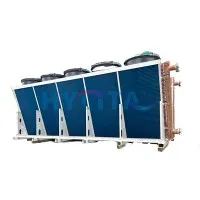
A condenser coil is a vital component in various cooling systems, including air conditioning units, refrigeration systems, and industrial cooling applications. It plays a crucial role in transferring heat from the refrigerant to the surrounding environment, enabling the cooling cycle to function effectively. However, condenser coils are exposed to a variety of harsh conditions that can lead to corrosion, fouling, and other forms of damage. This is where coatings come into play. As a leading condenser coil supplier, I will delve into how a coating can protect a condenser coil and the benefits it offers.
How Coatings Protect Condenser Coils
Corrosion Resistance
One of the primary functions of a coating on a condenser coil is to provide corrosion resistance. Condenser coils are often made of materials such as copper, aluminum, or steel, which are susceptible to corrosion when exposed to moisture, chemicals, and other corrosive elements in the environment. Corrosion can lead to the degradation of the coil's surface, reducing its heat transfer efficiency and potentially causing leaks.
A high-quality coating acts as a barrier between the metal surface of the coil and the corrosive environment. It prevents moisture and other corrosive agents from coming into direct contact with the metal, thereby protecting it from oxidation and rust. For example, epoxy coatings are known for their excellent corrosion resistance and adhesion properties. When applied to a condenser coil, they form a durable and protective layer that can withstand harsh conditions for an extended period.
Fouling Prevention
Fouling is another common problem that condenser coils face. It occurs when dirt, dust, debris, and other contaminants accumulate on the surface of the coil, reducing its heat transfer efficiency. Fouling can also lead to the growth of mold, bacteria, and other microorganisms, which can pose health risks and cause unpleasant odors.
A coating can help prevent fouling by providing a smooth and non-stick surface. This makes it easier for dirt and debris to be removed from the coil, either through natural airflow or cleaning procedures. Some coatings are designed with anti-fouling properties, such as hydrophobic or oleophobic characteristics, which repel water and oil, respectively. These properties help keep the coil clean and maintain its optimal performance.
Chemical Resistance
Condenser coils may be exposed to various chemicals in industrial settings, such as acids, alkalis, and solvents. These chemicals can cause damage to the coil's surface and reduce its lifespan. A coating with good chemical resistance can protect the coil from the harmful effects of these chemicals.
For instance, fluoropolymer coatings are known for their excellent chemical resistance. They can withstand exposure to a wide range of chemicals without being damaged or degraded. This makes them suitable for use in industrial applications where the condenser coils are likely to come into contact with corrosive chemicals.
Thermal Protection
In addition to corrosion and fouling protection, a coating can also provide thermal insulation for the condenser coil. This can help reduce heat loss from the coil and improve its energy efficiency. Some coatings are designed to have low thermal conductivity, which means they can act as a barrier to heat transfer. This can be particularly beneficial in applications where energy conservation is a priority.
Benefits of Coated Condenser Coils
Extended Lifespan
By protecting the condenser coil from corrosion, fouling, and chemical damage, a coating can significantly extend its lifespan. A longer lifespan means fewer replacement costs and less downtime for the cooling system. This can result in substantial cost savings for the end-user over the long term.
Improved Energy Efficiency
As mentioned earlier, a coating can help improve the energy efficiency of the condenser coil by reducing fouling and providing thermal insulation. A clean and well-insulated coil can transfer heat more effectively, which means the cooling system can operate more efficiently and consume less energy. This can lead to lower energy bills and a reduced carbon footprint.
Enhanced System Performance
A protected condenser coil can maintain its optimal performance over a longer period. This means the cooling system can provide consistent and reliable cooling, even in harsh operating conditions. Improved system performance can result in better comfort levels for occupants and increased productivity in industrial applications.
Types of Coatings for Condenser Coils
Epoxy Coatings
Epoxy coatings are one of the most commonly used coatings for condenser coils. They offer excellent corrosion resistance, adhesion, and durability. Epoxy coatings can be applied in various thicknesses, depending on the specific requirements of the application. They are also available in different colors, which can be beneficial for aesthetic purposes.
Fluoropolymer Coatings
Fluoropolymer coatings, such as polytetrafluoroethylene (PTFE) and fluorinated ethylene propylene (FEP), are known for their superior chemical resistance and low surface energy. These coatings provide excellent anti-fouling properties and can withstand high temperatures. They are often used in industrial applications where the condenser coils are exposed to harsh chemicals and extreme conditions.
Ceramic Coatings
Ceramic coatings are another option for protecting condenser coils. They offer high-temperature resistance, excellent thermal insulation, and good corrosion resistance. Ceramic coatings can also provide a hard and scratch-resistant surface, which can protect the coil from physical damage.
Applications of Coated Condenser Coils
Marine Condenser Unit
In marine applications, condenser coils are exposed to a harsh environment, including saltwater, humidity, and corrosive gases. A coating can protect the coils from corrosion and fouling, ensuring reliable operation in marine vessels. Coated condenser coils are also more resistant to the effects of vibration and shock, which are common in marine environments.
Condenser and Coil for Data Center Cooling
Data centers require precise temperature and humidity control to ensure the proper operation of servers and other equipment. Condenser coils in data center cooling systems are often exposed to dust, dirt, and other contaminants. A coating can prevent fouling and maintain the efficiency of the cooling system, reducing the risk of equipment failure and downtime.


Industrial Condenser Unit
Industrial applications often involve harsh chemicals, high temperatures, and heavy loads. Condenser coils in industrial units need to be protected from corrosion, fouling, and chemical damage. A suitable coating can extend the lifespan of the coils and improve the performance of the industrial cooling system.
Conclusion
In conclusion, a coating plays a crucial role in protecting a condenser coil from corrosion, fouling, chemical damage, and thermal stress. By choosing the right coating for the specific application, the lifespan, energy efficiency, and performance of the condenser coil can be significantly improved. As a condenser coil supplier, we offer a wide range of coated condenser coils to meet the diverse needs of our customers. Whether you are in the marine, data center, or industrial sector, we have the expertise and products to provide you with the best solutions.
If you are interested in purchasing high-quality coated condenser coils or have any questions about our products, please feel free to contact us for a procurement discussion. Our team of experts is ready to assist you in finding the most suitable solutions for your cooling system requirements.
References
Smith, J. (2018). Advances in Coating Technologies for Heat Exchangers. Journal of Thermal Science and Engineering Applications, 10(2), 021004.
Jones, A. (2019). Corrosion Protection of Condenser Coils in Industrial Environments. Corrosion Science, 150, 107943.
Lee, C. (2020). The Role of Coatings in Improving the Energy Efficiency of Cooling Systems. Energy and Buildings, 225, 110223.