


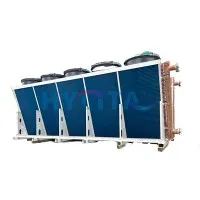
Waste heat recovery (WHR) is a crucial aspect of modern industrial operations, offering significant potential to enhance the overall productivity of a plant. As a leading Waste Heat Recovery supplier, I have witnessed firsthand the transformative impact that WHR systems can have on industrial processes. In this blog, I will explore how waste heat recovery affects the overall productivity of a plant, highlighting the benefits and challenges associated with its implementation.
Understanding Waste Heat Recovery
Waste heat is the thermal energy that is generated as a by - product of industrial processes and is typically released into the environment. This heat can come from various sources, such as exhaust gases from furnaces, engines, and boilers. Waste heat recovery involves capturing this otherwise wasted energy and converting it into useful forms, such as electricity, steam, or hot water.
The process of waste heat recovery is made possible through the use of specialized equipment, such as Waste Heat Recovery. These systems are designed to efficiently transfer heat from the waste stream to a working fluid, which can then be used to power other processes within the plant.
Impact on Energy Efficiency
One of the most significant ways waste heat recovery affects plant productivity is by improving energy efficiency. By capturing and reusing waste heat, plants can reduce their reliance on external energy sources, such as fossil fuels. This not only lowers energy costs but also decreases the plant's carbon footprint.
For example, in a manufacturing plant, exhaust gases from a high - temperature furnace can be passed through an Exhaust Gas Heat Exchanger. The heat exchanger transfers the heat from the exhaust gases to a fluid, which can then be used to pre - heat incoming air or water. This pre - heating reduces the amount of energy required to reach the desired process temperature, resulting in significant energy savings.
In a power plant, waste heat recovery can be used to generate additional electricity. By using a waste heat recovery steam generator, the heat from the exhaust gases can be used to produce steam, which is then fed into a steam turbine to generate electricity. This additional power output increases the overall efficiency of the power plant and can lead to substantial cost savings over time.
Cost Savings and Financial Benefits
The implementation of waste heat recovery systems can lead to substantial cost savings for a plant. As mentioned earlier, reduced energy consumption directly translates into lower energy bills. Additionally, in some regions, there are government incentives and subsidies available for plants that implement energy - efficient technologies, including waste heat recovery.
Moreover, waste heat recovery can extend the lifespan of equipment. By reducing the load on primary energy sources, the wear and tear on boilers, furnaces, and other equipment are reduced. This results in lower maintenance costs and less frequent equipment replacements, further contributing to the financial benefits of waste heat recovery.
Process Optimization
Waste heat recovery can also optimize industrial processes. For instance, in a chemical plant, the recovered heat can be used to pre - heat reactants, which can increase the reaction rate and improve the yield of the chemical reactions. This leads to a more efficient production process and higher - quality products.
In the food and beverage industry, waste heat can be used for pasteurization, drying, and other thermal processes. By using recovered heat, the plant can achieve the same processing results with less energy input, improving the overall productivity of the production line.
Challenges in Waste Heat Recovery
While waste heat recovery offers numerous benefits, there are also challenges associated with its implementation. One of the main challenges is the initial investment required for the installation of waste heat recovery systems. These systems can be complex and expensive, especially for large - scale industrial applications.
Another challenge is the variability of waste heat sources. The amount and temperature of waste heat can vary depending on the industrial process, operating conditions, and time. This variability makes it difficult to design a waste heat recovery system that can efficiently capture and utilize the heat under all conditions.
In addition, the integration of waste heat recovery systems into existing industrial processes can be challenging. It requires careful planning and engineering to ensure that the system does not disrupt the normal operation of the plant.
Overcoming Challenges
To overcome the challenges associated with waste heat recovery, it is essential to conduct a thorough feasibility study before implementing a system. This study should evaluate the potential waste heat sources, the available technologies, and the economic viability of the project.
Our company, as a Waste Heat Recovery supplier, offers customized solutions to meet the specific needs of each plant. We work closely with our clients to design and install waste heat recovery systems that are optimized for their industrial processes. Our team of experts has extensive experience in the field and can provide technical support and maintenance services to ensure the long - term performance of the systems.
Environmental Benefits
In addition to the economic and productivity benefits, waste heat recovery also has significant environmental advantages. By reducing the consumption of fossil fuels, waste heat recovery helps to lower greenhouse gas emissions. This is in line with global efforts to combat climate change and promote sustainable development.
Conclusion
Waste heat recovery has a profound impact on the overall productivity of a plant. It improves energy efficiency, reduces costs, optimizes processes, and offers environmental benefits. While there are challenges associated with its implementation, these can be overcome with careful planning and the right technology.


As a Waste Heat Recovery supplier, we are committed to helping industrial plants realize the full potential of waste heat recovery. Our SS Economiser Heat Exchanger and other waste heat recovery solutions are designed to provide efficient and reliable heat recovery for a wide range of industrial applications.
If you are interested in exploring how waste heat recovery can enhance the productivity of your plant, we invite you to contact us for a consultation. Our team of experts will be happy to discuss your specific needs and provide you with a customized solution.
References
- Smith, J. (2018). Waste Heat Recovery in Industrial Processes. Journal of Energy Management, 25(3), 123 - 135.
- Johnson, A. (2019). The Economic and Environmental Impact of Waste Heat Recovery Systems. International Journal of Sustainable Energy, 38(2), 201 - 215.
- Brown, C. (2020). Advances in Waste Heat Recovery Technologies. Proceedings of the International Conference on Energy Efficiency, 45 - 56.