


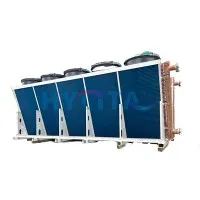
Hey there, HVAC enthusiasts! As a condenser coil supplier, I've seen firsthand how crucial it is to keep these coils in top shape for a central air system to perform at its best. In this blog, I'll share some practical tips on how to optimize the performance of a condenser coil in a central air system.
Understanding the Basics of a Condenser Coil
Before we dive into the optimization tips, let's quickly go over what a condenser coil does. In a central air system, the condenser coil is responsible for releasing heat from the refrigerant. As the hot refrigerant flows through the coil, it transfers its heat to the surrounding air. This process cools the refrigerant, allowing it to return to the evaporator coil and continue the cooling cycle.
Regular Cleaning is Key
One of the most important things you can do to optimize the performance of a condenser coil is to keep it clean. Over time, dirt, dust, and debris can accumulate on the coil's surface, reducing its ability to transfer heat efficiently. This can lead to increased energy consumption, reduced cooling capacity, and even system breakdowns.
To clean the condenser coil, start by turning off the power to the air conditioning unit. Then, use a soft brush or a vacuum cleaner to remove any loose dirt and debris from the coil's surface. Be careful not to damage the fins, as they are very delicate. Once you've removed the loose dirt, you can use a coil cleaner to remove any stubborn grime. Follow the manufacturer's instructions carefully when using a coil cleaner, and make sure to rinse the coil thoroughly with water.
Check the Refrigerant Levels
Another important factor that can affect the performance of a condenser coil is the refrigerant level. If the refrigerant level is too low, the coil may not be able to transfer heat effectively, which can lead to reduced cooling capacity and increased energy consumption. On the other hand, if the refrigerant level is too high, it can put additional stress on the compressor and other components of the air conditioning system.
To check the refrigerant level, you'll need to use a refrigerant gauge. If you're not comfortable doing this yourself, it's best to hire a professional HVAC technician. They have the tools and expertise to accurately measure the refrigerant level and make any necessary adjustments.
Inspect the Coil for Damage
In addition to keeping the condenser coil clean and checking the refrigerant levels, it's also important to inspect the coil for damage on a regular basis. Over time, the coil can become damaged due to corrosion, physical impact, or other factors. If the coil is damaged, it may not be able to transfer heat effectively, which can lead to reduced cooling capacity and increased energy consumption.
To inspect the coil for damage, look for signs of corrosion, bent fins, or other physical damage. If you notice any damage, it's important to have it repaired or replaced as soon as possible. A professional HVAC technician can help you determine the best course of action.
Optimize the Airflow
Proper airflow is essential for the efficient operation of a condenser coil. If the airflow is restricted, the coil may not be able to transfer heat effectively, which can lead to reduced cooling capacity and increased energy consumption. To optimize the airflow, make sure that the condenser unit is installed in a well-ventilated area. Avoid installing the unit in a corner or against a wall, as this can restrict the airflow.
In addition, make sure that the condenser unit is not blocked by any objects, such as shrubs, bushes, or debris. If the unit is blocked, it can reduce the airflow and cause the coil to overheat.
Consider Upgrading to a High-Efficiency Coil
If you're looking to optimize the performance of your central air system, you may want to consider upgrading to a high-efficiency condenser coil. High-efficiency coils are designed to transfer heat more effectively, which can lead to reduced energy consumption and increased cooling capacity.
When choosing a high-efficiency coil, look for one that is designed to meet or exceed the Energy Star standards. Energy Star-rated coils are typically more energy-efficient than standard coils, which can save you money on your energy bills in the long run.


Conclusion
Optimizing the performance of a condenser coil in a central air system is essential for ensuring that your system operates efficiently and effectively. By following the tips outlined in this blog, you can keep your condenser coil in top shape and enjoy reliable cooling for years to come.
If you're in the market for a new condenser coil, or if you need help optimizing the performance of your existing coil, Marine Condenser Unit, Condenser and Coil for Data Center Cooling, and Industrial Condenser Unit are great options to consider. We offer a wide range of high-quality condenser coils that are designed to meet the needs of any central air system.
If you have any questions or would like to learn more about our products and services, please don't hesitate to contact us. We're here to help you optimize the performance of your central air system and keep your home or business cool and comfortable.
References
- ASHRAE Handbook: HVAC Systems and Equipment. American Society of Heating, Refrigerating and Air-Conditioning Engineers.
- Carrier Corporation. "Optimizing Condenser Coil Performance." Technical Bulletin.
- Trane Technologies. "Condenser Coil Maintenance and Optimization." White Paper.