


Corrosion is a common and challenging issue in the operation of plate heat exchangers. As a professional plate heat exchanger supplier, we understand the importance of preventing corrosion to ensure the long - term performance and reliability of our products. In this blog, we will explore various methods to prevent corrosion in plate heat exchangers.
Understanding Corrosion in Plate Heat Exchangers
Before delving into prevention methods, it's crucial to understand the types of corrosion that can occur in plate heat exchangers. The most common forms include:
- Galvanic corrosion: This happens when two dissimilar metals are in contact in an electrolyte. For example, if a copper plate is in contact with a steel plate in a water - based solution, galvanic corrosion can occur. The more active metal (in this case, steel) will corrode at an accelerated rate.
- Pitting corrosion: It is a localized form of corrosion that results in the formation of small pits on the surface of the plates. Pitting can be caused by the presence of chloride ions in the fluid, which can break down the protective oxide layer on the metal surface.
- Uniform corrosion: This is a general attack on the entire surface of the plates. It can be due to factors such as the pH of the fluid, temperature, and the presence of corrosive chemicals.
Selecting the Right Materials
One of the most effective ways to prevent corrosion is to choose the appropriate materials for the plate heat exchanger.
- Stainless steel: It is a popular choice for plate heat exchangers due to its good corrosion resistance. Different grades of stainless steel offer varying levels of protection. For example, 316L stainless steel is more resistant to chloride - induced corrosion compared to 304 stainless steel. However, in highly corrosive environments, even stainless steel may not be sufficient.
- Titanium: Titanium is an excellent material for combating corrosion. It forms a stable oxide layer on its surface, which provides excellent protection against a wide range of corrosive substances. We offer Titanium Brazed Plate Exchanger and Titanium Gasket Plate Heat Exchanger, which are ideal for applications where corrosion is a major concern. Titanium can withstand harsh chemicals, high temperatures, and aggressive fluids, making it suitable for industries such as chemical processing, desalination, and power generation.
Controlling the Fluid Environment
The properties of the fluid flowing through the plate heat exchanger have a significant impact on corrosion.
- pH control: Maintaining the appropriate pH of the fluid is crucial. Most metals have a specific pH range in which they are most corrosion - resistant. For example, stainless steel is more resistant to corrosion in a slightly acidic to neutral pH range. By adjusting the pH of the fluid, we can reduce the risk of corrosion. This can be achieved by adding pH - adjusting chemicals to the fluid.
- Chloride ion concentration: Chloride ions are one of the most common causes of corrosion in plate heat exchangers. High concentrations of chloride ions can lead to pitting and crevice corrosion. Therefore, it is important to monitor and control the chloride ion concentration in the fluid. This can be done through water treatment processes such as reverse osmosis or ion exchange.
- Oxygen content: Oxygen can accelerate corrosion in plate heat exchangers. By reducing the oxygen content in the fluid, we can minimize the risk of corrosion. This can be achieved by using deaeration techniques, such as vacuum deaeration or chemical deoxygenation.
Proper Design and Installation
The design and installation of the plate heat exchanger also play a role in preventing corrosion.
- Flow velocity: Maintaining an appropriate flow velocity is important. If the flow velocity is too low, stagnant areas can form, which can lead to the accumulation of corrosive substances and the growth of bacteria. On the other hand, if the flow velocity is too high, it can cause erosion - corrosion. Therefore, the flow velocity should be carefully designed to ensure uniform flow and prevent the formation of stagnant areas.
- Avoidance of crevices: Crevices can trap corrosive substances and promote corrosion. During the design and installation process, it is important to avoid the formation of crevices. For example, proper sealing techniques should be used to prevent fluid leakage and the formation of crevices between the plates.
- Proper grounding: In some cases, electrical grounding can help prevent corrosion. By grounding the plate heat exchanger, we can reduce the risk of galvanic corrosion.
Regular Maintenance and Inspection
Regular maintenance and inspection are essential for preventing corrosion in plate heat exchangers.
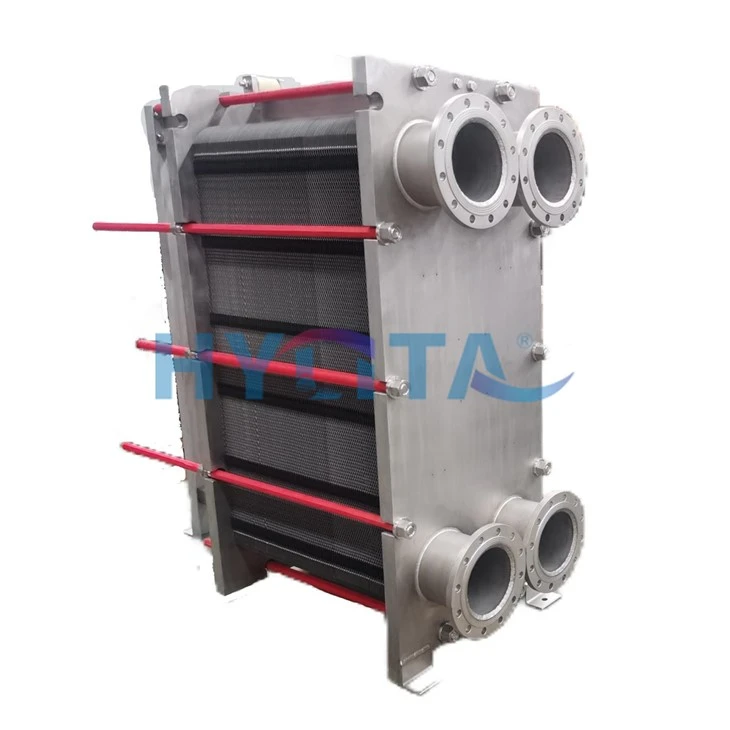
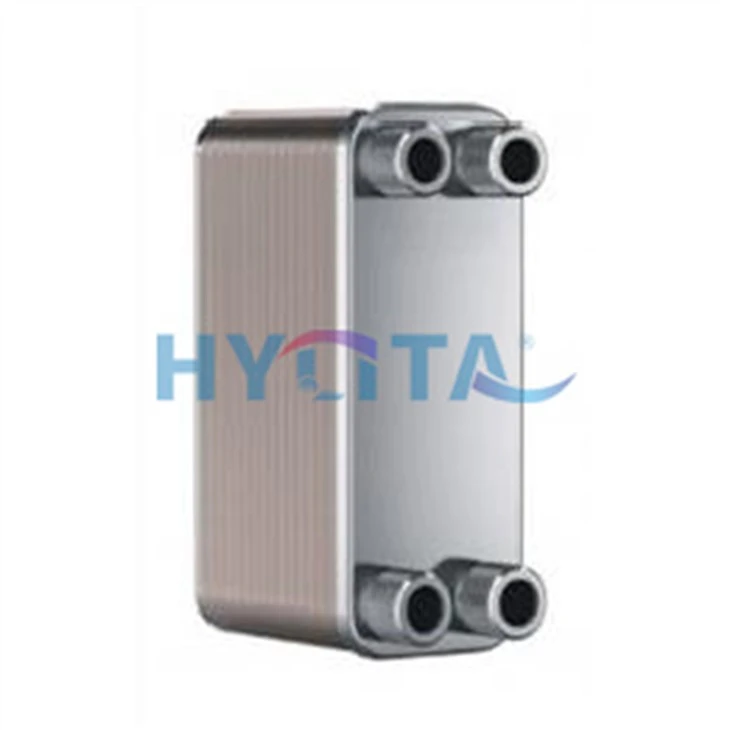
- Cleaning: Regular cleaning of the plates can remove any deposits or contaminants that may cause corrosion. This can be done using chemical cleaning agents or mechanical cleaning methods. However, it is important to use cleaning agents that are compatible with the materials of the plate heat exchanger to avoid damaging the plates.
- Inspection: Regular inspections can detect early signs of corrosion. Visual inspections can be used to check for signs of pitting, rust, or other forms of corrosion. Non - destructive testing methods, such as ultrasonic testing or eddy current testing, can also be used to detect internal corrosion.
- Monitoring: Continuous monitoring of the fluid properties, such as pH, chloride ion concentration, and temperature, can help identify potential corrosion problems before they become serious. By monitoring these parameters, we can take appropriate measures to prevent corrosion.
Application - Specific Considerations
Different applications may have specific requirements for corrosion prevention.
- Chemical industry: In the chemical industry, plate heat exchangers are often exposed to highly corrosive chemicals. Therefore, the choice of materials and the design of the heat exchanger need to be carefully considered. Titanium heat exchangers are often used in this industry due to their excellent corrosion resistance.
- Food and beverage industry: In this industry, hygiene is a major concern. Plate heat exchangers need to be made of materials that are non - toxic and easy to clean. Stainless steel is a common choice for food and beverage applications.
- Power generation: In power plants, plate heat exchangers are used for various applications, such as cooling and heating. The water used in power plants may contain impurities that can cause corrosion. Therefore, water treatment and corrosion prevention measures are crucial. Our Heat Pump Heat Exchanger is designed to meet the specific requirements of power generation applications.
Conclusion
Preventing corrosion in plate heat exchangers is a complex but essential task. By selecting the right materials, controlling the fluid environment, ensuring proper design and installation, and conducting regular maintenance and inspection, we can significantly reduce the risk of corrosion and extend the service life of the plate heat exchanger. As a plate heat exchanger supplier, we are committed to providing high - quality products and solutions to our customers. If you are interested in our products or need more information about corrosion prevention in plate heat exchangers, please feel free to contact us for procurement and further discussions.
References
- Fontana, M. G. (1986). Corrosion Engineering. McGraw - Hill.
- Uhlig, H. H., & Revie, R. W. (1985). Corrosion and Corrosion Control. Wiley.
- Schweitzer, P. A. (2004). Corrosion Resistance Tables. McGraw - Hill.