


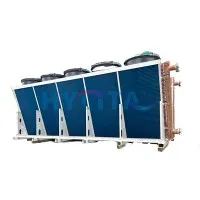
Hey there! As a supplier in the chiller cooling business, I've seen firsthand how crucial it is to pick the right cooling tower for your chiller cooling system. It's not just a one - size - fits - all situation. There are a bunch of factors to consider, and I'm here to walk you through them so you can make an informed decision.
Understanding the Basics
First off, let's talk about why a cooling tower is so important for chiller cooling. A chiller is like the heart of a cooling system. It removes heat from a space or a process, but that heat has to go somewhere. That's where the cooling tower steps in. It takes the hot water from the chiller, cools it down by evaporating a small portion of the water, and then sends the cooled water back to the chiller. This continuous cycle keeps the chiller running efficiently.
Types of Cooling Towers
There are different types of cooling towers out there. The most common ones are open - circuit and closed - circuit cooling towers.
Open - circuit cooling towers are the traditional kind. In these, the hot water from the chiller is exposed directly to the air. As the water splashes over the fill material inside the tower, a portion of it evaporates, taking heat with it. This is a cost - effective option, but it can have some drawbacks. For example, the water is exposed to the environment, which means it can get dirty and contaminated. Plus, it requires more water treatment to keep the system clean.
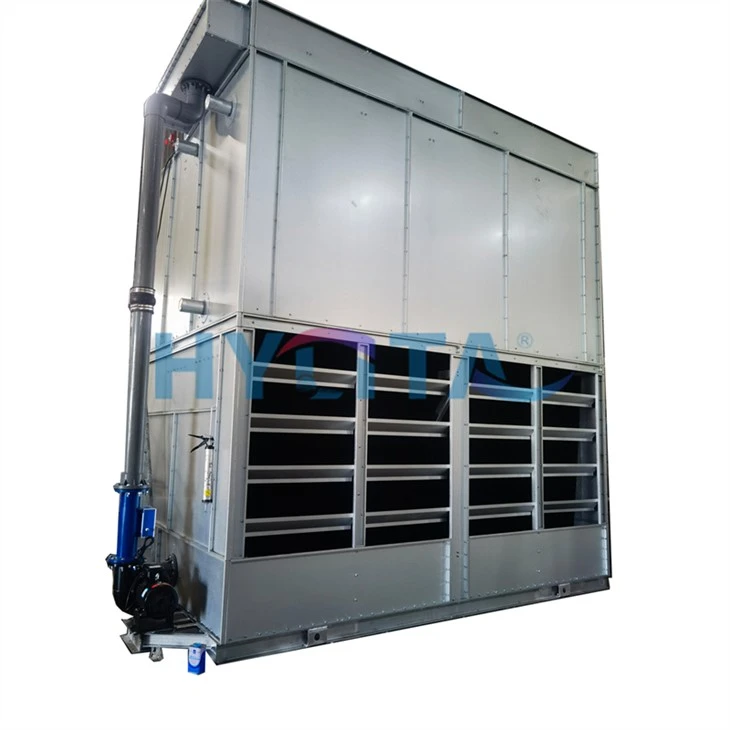
Closed - circuit cooling towers, on the other hand, keep the hot water from the chiller in a closed loop. The water is cooled by a combination of air and a secondary water spray. Since the main water loop is closed, there's less risk of contamination. This makes it a great choice for applications where water quality is a concern, like in some industrial processes or data centers.
Capacity Requirements
One of the first things you need to figure out is the capacity of the cooling tower you need. This is measured in tons of refrigeration. The capacity you need depends on the heat load of your chiller. The heat load is basically how much heat the chiller needs to remove from your space or process. You can calculate this by looking at factors like the size of the area being cooled, the number of people in the space, and the heat generated by any equipment.
If you choose a cooling tower with a capacity that's too small, it won't be able to keep up with the heat load. This can lead to the chiller overheating and not working efficiently. On the other hand, if you go for a tower with a capacity that's way too big, you'll be wasting energy and money on a system that's bigger than you need.
Water Quality
Water quality is another big deal. As I mentioned before, open - circuit cooling towers are more prone to water contamination. But even in closed - circuit systems, water quality can still be an issue. Minerals in the water can build up over time and form scale inside the pipes and heat exchangers. This can reduce the efficiency of your cooling system and even cause damage in the long run.
That's why it's important to have a good water treatment plan. You might need to use chemicals to control algae, bacteria, and scale formation. You also need to monitor the water quality regularly to make sure it stays within the right parameters.
Energy Efficiency
In today's world, energy efficiency is a top priority. A more energy - efficient cooling tower can save you a lot of money on your electricity bills in the long run. There are a few things to look for when evaluating the energy efficiency of a cooling tower.
One is the fan motor. A high - efficiency fan motor will use less electricity to move the air through the tower. You should also look at the fill material. A good fill material will allow for more efficient heat transfer, which means the tower can cool the water more effectively with less energy.
Location and Space
Where you're going to put the cooling tower matters too. You need to make sure there's enough space around the tower for proper ventilation. The tower needs to be able to take in fresh air and expel the hot, moist air without any obstructions.
You also need to consider the noise level. Some cooling towers can be quite noisy, especially if they have large fans. If the tower is going to be located near an area where noise is a concern, like an office building or a residential area, you might need to choose a quieter model.
Compatibility with Chiller
It's essential to make sure the cooling tower is compatible with your chiller. Different chillers have different requirements in terms of water flow rate, temperature, and pressure. You need to choose a cooling tower that can meet these requirements.
For example, if your chiller requires a high water flow rate, you need a cooling tower that can handle that. If you're using a Shell and Tube Air Water Heat Exchanger, you need to make sure the cooling tower can work well with it.
Cost Considerations
Cost is always a factor when making any purchasing decision. There are two main types of costs to consider: the initial purchase cost and the operating cost.

The initial purchase cost includes the price of the cooling tower itself, as well as the cost of installation. You might be tempted to go for the cheapest option, but remember, a lower - cost tower might not be as energy - efficient or durable in the long run.
The operating cost includes things like electricity, water, and maintenance. A more energy - efficient tower will have lower electricity costs, and a tower that requires less water treatment will have lower water costs.
Maintenance Requirements
All cooling towers require some level of maintenance. You need to clean the tower regularly to prevent the build - up of dirt and debris. You also need to check the fan motor, pumps, and other components to make sure they're working properly.
Some towers are easier to maintain than others. For example, a tower with easy - access panels will be quicker and easier to clean and inspect. You should also consider the availability of replacement parts when choosing a cooling tower.
Environmental Impact
Last but not least, you might want to think about the environmental impact of your cooling tower. As I mentioned before, a more energy - efficient tower will use less electricity, which is better for the environment. You also need to consider the water usage. Some towers are designed to use less water by reusing the condensed water or by using advanced water treatment systems.
If you're using an Air - cooled Chiller Cooler or an Air Chiller with Free Cooling, you need to make sure the cooling tower is compatible with these systems and helps to minimize the environmental footprint.
Conclusion
Selecting a suitable cooling tower for chiller cooling is a complex process, but it doesn't have to be overwhelming. By considering factors like capacity, water quality, energy efficiency, location, compatibility, cost, maintenance, and environmental impact, you can find the right cooling tower for your needs.
If you're in the market for a cooling tower for your chiller cooling system, don't hesitate to reach out. I'm here to help you navigate through all these options and find the perfect solution for your business. Whether you're a small business or a large industrial operation, I've got the experience and the products to meet your needs. Let's get in touch and start the conversation about your chiller cooling requirements.
References
- Cooling Tower Institute - Technical guides on cooling tower operation and selection
- ASHRAE Handbook - Contains valuable information on HVAC systems and cooling tower design.