


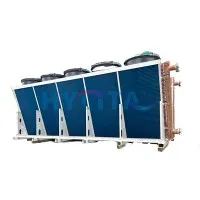
A hot water economiser is a device that recovers waste heat from flue gases or other hot exhaust streams and uses it to pre - heat the water entering a boiler or other heating system. As a supplier of Hot Water Economisers, I understand the importance of conducting a cost - benefit analysis for potential customers. This analysis helps in making an informed decision about whether investing in a hot water economiser is a viable option.
1. Initial Costs
The first aspect of the cost - benefit analysis is the initial investment. The cost of a hot water economiser can vary significantly depending on several factors.
Equipment Cost
The price of the hot water economiser itself is a major component. High - quality economisers with advanced heat - transfer technology and durable materials will generally cost more. For example, a large - scale industrial hot water economiser designed for high - capacity boilers can cost tens of thousands of dollars. The size and capacity of the unit are directly related to its cost. A small - scale commercial hot water economiser for a relatively small boiler may cost a few thousand dollars.
Installation Cost
Installation is another significant expense. Professional installation is required to ensure the proper functioning and safety of the economiser. Installation costs include labor, piping, and any necessary modifications to the existing heating system. In some cases, additional structural support may be needed, which can add to the overall cost. For complex industrial installations, the installation cost can be a substantial portion of the total initial investment.
2. Operational Benefits
Despite the initial costs, a hot water economiser offers several operational benefits that can lead to significant savings over time.
Energy Savings
One of the primary benefits of a hot water economiser is energy savings. By pre - heating the water entering the boiler, less energy is required to heat the water to the desired temperature. This reduces the fuel consumption of the boiler. For example, in a steam boiler system, the economiser can recover heat from the flue gases and use it to pre - heat the feedwater. This can result in a reduction of fuel consumption by 10% - 20% or even more, depending on the operating conditions and the efficiency of the economiser.
The energy savings translate into cost savings on fuel bills. For industrial facilities that consume large amounts of fuel for heating, these savings can be substantial. Over the long term, the cumulative savings on fuel costs can far outweigh the initial investment in the economiser.
Extended Boiler Life
A hot water economiser can also extend the life of the boiler. By pre - heating the water, the thermal stress on the boiler tubes is reduced. This is because the water entering the boiler is closer to the operating temperature of the boiler, which reduces the temperature differential and the associated thermal shock. As a result, the boiler tubes are less likely to experience premature wear and tear, corrosion, and other forms of damage. This can lead to fewer maintenance requirements and a longer service life for the boiler, further reducing the overall operating costs.
Environmental Benefits
Using a hot water economiser has positive environmental impacts. Since it reduces fuel consumption, it also reduces the emissions of greenhouse gases and other pollutants associated with fuel combustion. For example, a reduction in natural gas consumption leads to a decrease in carbon dioxide emissions. This can help companies meet environmental regulations and improve their corporate social responsibility profile.
3. Maintenance Costs
Maintenance is an ongoing cost associated with a hot water economiser. However, the maintenance requirements are generally relatively low compared to the potential savings.
Regular Inspections
Regular inspections are necessary to ensure the proper functioning of the economiser. This includes checking for leaks, corrosion, and fouling of the heat - transfer surfaces. Inspections can be carried out by in - house maintenance staff or by external service providers. The frequency of inspections depends on the operating conditions and the type of economiser.
Cleaning
Over time, the heat - transfer surfaces of the economiser can become fouled with dirt, ash, and other contaminants. This can reduce the efficiency of the economiser. Periodic cleaning is required to remove these deposits. The cleaning method depends on the type of fouling and the design of the economiser. In some cases, chemical cleaning may be used, while in others, mechanical cleaning methods such as brushing or high - pressure water jetting may be more appropriate.
4. Payback Period
The payback period is an important metric in the cost - benefit analysis. It is the time required for the savings generated by the economiser to equal the initial investment.
The payback period can be calculated by dividing the total initial investment (equipment cost + installation cost) by the annual savings (fuel cost savings + maintenance cost savings). For example, if the total initial investment in a hot water economiser is $50,000 and the annual savings are $10,000, the payback period is 5 years.
In general, a shorter payback period indicates a more attractive investment. The payback period for a hot water economiser can vary depending on factors such as the cost of fuel, the efficiency of the economiser, and the operating hours of the heating system. In many cases, the payback period for a well - designed and properly installed hot water economiser can be within 2 - 5 years.
5. Comparison with Other Heat - Recovery Options
When considering a hot water economiser, it is also important to compare it with other heat - recovery options, such as Vapour Economizer in Boiler and Exhaust Heat Exchanger.
Vapour Economizer in Boiler
A vapour economizer in a boiler recovers heat from the steam or vapour leaving the boiler. It can be more effective in some applications where there is a significant amount of heat in the vapour stream. However, it may be more complex and expensive to install compared to a hot water economiser. The choice between a hot water economiser and a vapour economizer depends on the specific characteristics of the heating system and the available heat sources.
Exhaust Heat Exchanger
An exhaust heat exchanger is another option for heat recovery. It can recover heat from various exhaust streams, such as engine exhaust or industrial process exhaust. While an exhaust heat exchanger can be very effective in recovering heat, it may not be as suitable for pre - heating water as a hot water economiser. The hot water economiser is specifically designed to work with the water - heating process in a boiler or heating system.
Conclusion
In conclusion, a Hot Water Economiser offers a range of benefits that can make it a worthwhile investment. Although there are initial costs associated with purchasing and installing the economiser, the long - term savings in energy costs, extended boiler life, and environmental benefits can outweigh these costs. The payback period is often relatively short, making it an attractive option for many businesses.
If you are considering investing in a hot water economiser for your heating system, we encourage you to contact us for a detailed cost - benefit analysis tailored to your specific needs. Our team of experts can provide you with all the information you need to make an informed decision. We are committed to helping you achieve energy efficiency and cost savings in your operations.


References
- ASHRAE Handbook of HVAC Systems and Equipment.
- Boiler Efficiency Institute Publications.
- Technical reports on heat - recovery systems from industry research organizations.