


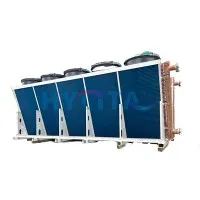
Insulation requirements for economizer tubes are crucial aspects that significantly impact the efficiency, performance, and longevity of energy recovery systems. As a leading supplier of Economizer Tube, I am well - versed in the technicalities and practicalities associated with these requirements. In this blog, we will delve into the key insulation requirements for economizer tubes, exploring why they are essential and how they contribute to the overall success of heat recovery operations.
Why Insulation is Necessary for Economizer Tubes
Economizer tubes play a vital role in heat recovery processes, particularly in systems like Exhaust Gas Heat Exchanger. They are designed to extract heat from hot exhaust gases and transfer it to a working fluid, usually water or steam. Without proper insulation, a significant amount of the recovered heat can be lost to the surrounding environment. This heat loss not only reduces the efficiency of the economizer but also leads to increased energy consumption, as more fuel is required to achieve the desired output.
Moreover, insulation helps to maintain a stable temperature within the economizer tubes. Fluctuations in temperature can cause thermal stress, which may lead to premature wear and tear of the tubes. Over time, this can result in leaks, corrosion, and ultimately, system failure. By insulating the tubes, we can minimize these temperature variations and extend the service life of the economizer.
Thermal Insulation Requirements
The primary function of insulation on economizer tubes is to reduce heat transfer from the hot fluid inside the tubes to the ambient air. To achieve this, the insulation material must have low thermal conductivity. Materials such as mineral wool, fiberglass, and ceramic fiber are commonly used for economizer tube insulation due to their excellent thermal insulation properties.
The thermal conductivity of the insulation material is typically measured in watts per meter - kelvin (W/m·K). For economizer tube applications, insulation materials with a thermal conductivity of less than 0.1 W/m·K are preferred. This low value ensures that only a minimal amount of heat is transferred through the insulation layer.
In addition to low thermal conductivity, the insulation material should also be capable of withstanding high temperatures. Economizer tubes often operate at elevated temperatures, especially when dealing with exhaust gases from industrial processes. The insulation must be able to maintain its integrity and insulation properties at these high temperatures without degrading or losing its effectiveness.
Mechanical Insulation Requirements
Mechanical protection is another critical aspect of economizer tube insulation. The insulation layer must be able to withstand mechanical forces such as vibration, impact, and abrasion. In industrial settings, economizer systems are often subject to various mechanical stresses during operation. For example, the flow of exhaust gases can cause vibrations in the tubes, and the movement of equipment in the vicinity can result in impacts.
To provide mechanical protection, the insulation material should have sufficient strength and durability. Some insulation materials come with a protective outer layer, such as a metal cladding or a polymer coating. This outer layer helps to shield the insulation from mechanical damage and also provides additional protection against environmental factors such as moisture and chemicals.
Chemical and Environmental Insulation Requirements
Economizer tubes may be exposed to various chemicals and environmental conditions, depending on the type of application and the nature of the exhaust gases. For instance, in some industrial processes, the exhaust gases may contain acidic or corrosive substances. The insulation material must be resistant to these chemicals to prevent degradation and ensure long - term performance.
Moisture is another environmental factor that can affect the insulation of economizer tubes. Moisture can reduce the thermal insulation properties of the material and may also lead to corrosion of the tubes. Therefore, the insulation should have good moisture resistance. Some insulation materials are treated with water - repellent agents to enhance their moisture resistance, while others are designed with a vapor barrier to prevent moisture from entering the insulation layer.
Installation Requirements
Proper installation of the insulation is as important as selecting the right insulation material. The insulation should be installed tightly around the economizer tubes to minimize air gaps. Air gaps can act as convection channels, allowing heat to bypass the insulation and escape to the surroundings.
During installation, care should be taken to ensure that the insulation is continuous and seamless. Any gaps or joints in the insulation can also lead to heat loss. In addition, the insulation should be secured firmly to the tubes to prevent it from shifting or falling off during operation.
Insulation Maintenance
Regular maintenance of the insulation on economizer tubes is essential to ensure its continued effectiveness. Inspections should be carried out periodically to check for signs of damage, such as cracks, tears, or moisture intrusion. If any damage is detected, the affected insulation should be repaired or replaced promptly.
In addition, the insulation should be cleaned regularly to remove any dirt, dust, or debris that may accumulate on its surface. This helps to maintain the thermal and mechanical properties of the insulation and ensures the efficient operation of the economizer.
The Role of Our Company as an Economizer Tube Supplier
As a reliable Economizer Tube supplier, we understand the critical importance of insulation requirements for economizer tubes. Our tubes are designed to meet the highest industry standards, and we offer comprehensive solutions to ensure proper insulation.
We work closely with our customers to select the most suitable insulation materials based on their specific application requirements. Whether it's a high - temperature industrial application or a more moderate - temperature system, we have the expertise to recommend the best insulation options.
In addition to supplying high - quality economizer tubes, we also provide installation and maintenance services. Our team of experienced technicians is trained to install insulation correctly, ensuring that it provides maximum heat protection and mechanical support. We also offer ongoing maintenance programs to help our customers keep their economizer systems in optimal condition.
Seven Points to Consider for Insulation Excellence
- Thermal Performance Evaluation: Always assess the thermal conductivity of the insulation material. A lower value indicates better insulation performance, which directly translates to reduced heat loss and higher energy efficiency for the economizer tubes.
- Temperature Resistance Compatibility: Match the insulation's maximum temperature rating with the actual operating temperature of the economizer tubes. This ensures that the insulation will not degrade or lose its effectiveness under high - temperature conditions.
- Mechanical Durability: Choose insulation materials and protective outer layers that can withstand the mechanical stresses specific to your application. This includes considerations for vibration, impact, and abrasion resistance.
- Chemical and Moisture Resistance: Evaluate the chemical composition of the exhaust gases and environmental conditions where the economizer tubes will operate. Select insulation that is resistant to these factors to prevent corrosion and degradation.
- Seamless Installation: Ensure that the insulation is installed continuously and tightly around the tubes. Proper installation techniques, including minimizing air gaps and securing the insulation firmly, are crucial for optimal performance.
- Regular Inspections: Implement a routine inspection schedule to detect any signs of damage or wear in the insulation. Early detection allows for prompt repairs, preventing further heat loss and potential system failures.
- Expert Consultation: Engage with industry experts, like our team at Economizer Tube supplier, to get personalized advice on insulation selection, installation, and maintenance based on your specific needs.
Contact Us for Your Economizer Tube Needs
If you are in the market for high - quality economizer tubes or require professional advice on insulation requirements, we invite you to contact us. Our team of experts is ready to assist you with all your heat recovery system needs. Whether you are looking for a standard Economizer Tube or a customized solution for your Exhaust Gas Heat Exchanger or SS Economiser Heat Exchanger, we have the knowledge and resources to meet your requirements. Reach out to us today to start a conversation about how we can help you optimize your energy recovery processes.


References
- "Handbook of Industrial Heat Exchangers" by Kakaç, Akiyama, and Liu.
- "Heat Transfer Principles and Applications" by Holman.
- Industry standards and guidelines related to economizer design and insulation, such as ASME Boiler and Pressure Vessel Code.