


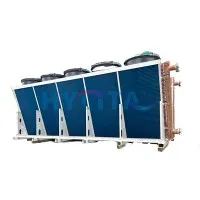
When it comes to industrial heat recovery systems, economizer tubes play a crucial role. As a supplier of Economizer Tube, I understand the importance of safety in using these components. In this blog, I will discuss the key safety considerations that users should keep in mind when utilizing economizer tubes.
1. Material and Design Integrity
The first and foremost safety consideration is the material and design of the economizer tubes. High - quality materials are essential to withstand the harsh conditions of heat exchange processes. For instance, stainless steel is a popular choice for SS Economiser Heat Exchanger due to its corrosion resistance and durability.
When designing economizer tubes, factors such as pressure ratings, temperature limits, and flow rates must be carefully considered. The tubes should be designed to handle the maximum expected pressure and temperature without failure. Incorrect design can lead to tube rupture, which can cause serious safety hazards, including steam or hot fluid leaks.
Manufacturers should follow industry standards and codes when designing and fabricating economizer tubes. For example, the ASME Boiler and Pressure Vessel Code provides guidelines for the design, construction, and inspection of pressure - containing components, including economizer tubes. Adhering to these standards ensures that the tubes are safe for use in industrial applications.
2. Installation and Maintenance
Proper installation of economizer tubes is critical for safety. Installation should be carried out by trained and experienced technicians who are familiar with the specific requirements of the heat recovery system. Incorrect installation, such as improper alignment or insufficient support, can lead to stress concentrations in the tubes, which may cause premature failure.
During installation, it is important to ensure that all connections are tight and leak - free. Leaks can not only result in energy losses but also pose a safety risk, especially if the fluid being handled is hot or corrosive. Additionally, proper insulation should be installed around the economizer tubes to prevent heat loss and protect personnel from accidental contact with hot surfaces.
Regular maintenance is also essential to ensure the safe operation of economizer tubes. Maintenance activities may include inspection for corrosion, erosion, and fouling. Corrosion can weaken the tube walls, increasing the risk of rupture. Erosion, caused by the flow of high - velocity fluids or particles, can also damage the tubes over time. Fouling, which is the accumulation of deposits on the tube surfaces, can reduce heat transfer efficiency and may lead to overheating of the tubes.
Inspections should be carried out at regular intervals, and any signs of damage or wear should be addressed promptly. This may involve tube replacement, cleaning, or repair. Maintenance records should be kept to track the condition of the economizer tubes over time and to ensure that all necessary maintenance tasks are carried out.
3. Operating Conditions
Understanding and controlling the operating conditions of the economizer tubes is vital for safety. The tubes are designed to operate within specific temperature and pressure ranges. Exceeding these limits can cause the tubes to fail. For example, if the temperature is too high, the material of the tubes may lose its strength and integrity, leading to deformation or rupture.


In addition to temperature and pressure, the flow rate of the fluids passing through the economizer tubes should also be carefully controlled. High flow rates can cause erosion, while low flow rates may lead to uneven heat transfer and potential overheating. Monitoring devices should be installed to continuously measure and control these operating parameters.
Another important aspect of operating conditions is the quality of the fluids being used. Impurities in the fluids, such as dirt, debris, or chemicals, can cause corrosion, fouling, or blockages in the tubes. Proper filtration and treatment of the fluids are necessary to prevent these issues.
4. Safety Devices and Protection
To enhance safety, various safety devices should be installed in the heat recovery system that includes economizer tubes. Pressure relief valves are one of the most important safety devices. These valves are designed to open automatically when the pressure inside the tubes exceeds a predetermined limit, releasing excess pressure and preventing tube rupture.
Temperature sensors can also be installed to monitor the temperature of the tubes and the fluids. If the temperature reaches a dangerous level, an alarm can be triggered, and appropriate actions can be taken, such as reducing the heat input or shutting down the system.
In addition, isolation valves should be provided to allow for the safe shutdown and isolation of the economizer tubes during maintenance or in case of an emergency. These valves can prevent the flow of fluids into or out of the tubes, reducing the risk of leaks and accidents.
5. Training and Personnel Safety
Proper training of personnel is essential for the safe use of economizer tubes. Operators should be trained on the operation, maintenance, and safety procedures of the heat recovery system. They should understand the potential hazards associated with the system and know how to respond in case of an emergency.
Personal protective equipment (PPE) should be provided to personnel working around the economizer tubes. This may include heat - resistant gloves, safety glasses, and protective clothing. PPE can protect personnel from burns, cuts, and other injuries that may occur during normal operation or maintenance activities.
6. Waste Heat Recovery and Safety
Economizer tubes are often used in Waste Heat Recovery systems. While waste heat recovery is an effective way to improve energy efficiency, it also presents some unique safety challenges.
The waste heat source may contain contaminants or pollutants that can pose a risk to the economizer tubes and the overall system. For example, waste gases from industrial processes may contain sulfur compounds, which can cause corrosion in the tubes. Proper treatment and monitoring of the waste heat source are necessary to ensure the safe operation of the economizer tubes.
In addition, the integration of waste heat recovery systems with existing industrial processes requires careful planning and design to ensure safety. The system should be designed to prevent any cross - contamination between the waste heat stream and the main process stream.
Conclusion
In conclusion, safety is of utmost importance when using economizer tubes. From material selection and design to installation, maintenance, and operation, every aspect of the economizer tube system must be carefully considered to ensure safe and reliable operation. By following industry standards, implementing proper safety measures, and providing adequate training to personnel, the risks associated with economizer tubes can be minimized.
If you are interested in purchasing high - quality economizer tubes or have any questions about their safety and application, please feel free to contact us for procurement and further discussion. We are committed to providing you with safe and efficient heat recovery solutions.
References
- ASME Boiler and Pressure Vessel Code
- Industry guidelines on heat exchanger design and operation
- Technical literature on waste heat recovery systems