


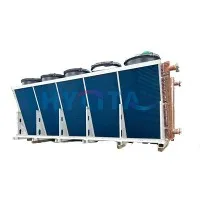
If you work in industrial HVAC, food processing, chemical manufacturing, or any sector that relies on temperature control, cooling coils are likely a daily part of your operations. As a supplier of these critical components, I've spent thousands of hours walking clients through not just how to select the right coil for their application-whether that's a corrosion-resistant Titanium Coil, a rugged Shell and Tube Coil Cooler, or a lightweight [Stainless Steel Coil Cooler]-but also the non-negotiable safety precautions that keep teams working around coils free of injury and facilities running smoothly. Far too often, companies focus on the efficiency of their cooling systems and overlook the unique hazards that come with handling, installing, maintaining, and troubleshooting these parts. Over the years, I've seen small oversights turn into costly accidents, from chemical burns during a flush to structural damage from improper coil handling. In this post, I'm breaking down the most important safety rules we share with every client, rooted in real incidents our team has witnessed or resolved.
Pre-Work Safety: Don't Skip the Pre-Use Inspection
Before you even touch a cooling coil, the first line of defense is a thorough pre-use inspection. This step is especially critical because cooling coils are designed to operate under pressure, often in environments with corrosive fluids or extreme temperatures. I once worked with a food processing plant that had a sudden leak during a pasteurization run; when we investigated, we found a tiny crack in the coil's wall that had formed during shipping, when a forklift driver scraped the coil against a loading dock but didn't report the damage. That crack went undetected, leading to a breach in the system that required a full shutdown of the plant for 12 hours, costing them over $50,000 in lost production.
So what should you look for in a pre-use check? Start with the outer surface: check for dents, scratches, or warping, especially along the tube bundles or header connections. For coils made of titanium or stainless steel, scratches can create weak points that accelerate corrosion, while dents can disrupt the flow of coolant and lead to uneven pressure that causes leaks. Next, test for pressure integrity before installation. Most cooling coils are rated for a specific working pressure, and overpressurization is a common cause of coil failure. For example, a [Shell and Tube Coil Cooler] designed for 150 PSI should never be tested or operated at higher pressures, as this can cause the tube sheets to warp or the welds between tubes and headers to crack. We recommend using a hydrostatic test with a pressure 1.5 times the rated working pressure, and holding it for 10 to 15 minutes while monitoring for leaks or pressure drops. If you're working with coils that handle hazardous fluids, add a check for chemical compatibility: a stainless steel coil might hold up fine to mild aqueous solutions, but it will corrode rapidly if exposed to strong acids or brines, which is why a titanium coil is often the safer choice for offshore or chemical processing applications.
Handling and Installation: Avoid Structural Damage
Moving a cooling coil from the loading dock to its installation site is another high-risk step. These components are heavy-some large shell and tube coils weigh several thousand pounds-and their tube bundles are fragile, even in industrial-grade models. I've seen clients try to move a coil with a forklift by its tube headers, thinking the rigid metal would support the weight, only to snap the welds holding the tubes in place. That mistake required a full replacement of the coil and an additional $8,000 in labor to remove the damaged part.
The right way to handle cooling coils is to use proper lifting equipment designed for the coil's size and weight. For smaller coils, use a flatbed cart with rubber padding to prevent scratching the surface, and lift only by the designated lifting points-most reputable suppliers, including our team, mark these points clearly on the coil to guide installers. For larger coils, use a crane with slings that wrap around the outer shell, not the tube bundles. Never drag a coil across the floor; even a slight drag can scratch or dent the tubes, creating hidden weak points that will fail over time.
When installing a cooling coil, pay close attention to the connection points to pipes, valves, and ductwork. Improper alignment here can cause stress on the coil's headers, leading to leaks or structural failure. For example, if you're connecting a titanium coil to a stainless steel pipe, make sure to use dielectric fittings to prevent galvanic corrosion-a common issue when two dissimilar metals come into contact in the presence of water. Galvanic corrosion can eat through the coil's wall in just a few months, even if the coil was properly maintained otherwise. We always remind clients to verify their piping connections are aligned with the coil's specifications: misaligning a coil by even a few degrees can put unnecessary pressure on the tube bundles, leading to vibration over time that loosens connections or damages tubes.
Maintenance: Lockout/Tagout and Chemical Safety
Maintenance is where most cooling coil accidents happen, because teams are working inside confined spaces, handling hazardous chemicals, and dealing with pressurized systems. The most critical rule here is lockout/tagout (LOTO)-a process to ensure that no energy source (electric, hydraulic, or pressurized fluid) is active while work is being done. I once heard about a maintenance worker who was cleaning a cooling coil's water side without locking out the system; a colleague accidentally opened the supply valve, sending high-pressure water into the coil, which struck the worker and broke his arm. That accident could have been avoided with proper LOTO procedures: shutting off the water supply, locking the valve, and posting a tag that says "Do Not Operate" before any work began.
Along with LOTO, chemical safety is a major concern during coil maintenance. Many cooling coils are cleaned with harsh chemicals, like muriatic acid or biocides, to remove scale, algae, or mineral deposits that reduce efficiency. These chemicals can cause severe burns if they come into contact with skin or eyes, and their fumes can damage respiratory systems. When working with these chemicals, always wear personal protective equipment (PPE) that includes goggles, acid-resistant gloves, a face shield, and a respirator if working in a confined space. Never mix chemicals without checking the manufacturer's guidelines-for example, mixing acid with bleach can create toxic chlorine gas, which can be fatal in enclosed spaces.
It's also important to follow the manufacturer's instructions for chemical concentration. Too strong a solution can corrode the coil, especially if it's made of a soft material like copper, while too weak a solution won't clean the coil effectively. For stainless steel coils, avoid using acidic cleaners with a pH lower than 4, as this can etch the metal's surface and create areas where corrosion starts. For titanium coils, which are highly resistant to most chemicals, you can use slightly stronger solutions, but still stick to recommended concentrations to avoid damaging any gaskets or seals connected to the coil.
Troubleshooting and Emergency Response: Be Prepared for Leaks and Pressure Issues
Even with the best maintenance, cooling coils can develop leaks, and knowing how to respond quickly and safely is key to preventing injury and minimizing downtime. If you discover a leak in a cooling coil, the first step is to shut down the system and perform LOTO-never attempt to patch a leak while the coil is pressurized. Small leaks can often be repaired with epoxy or sealant, but large leaks or leaks in the tube bundles of a shell and tube coil require professional repair or replacement.
Another hazard to watch for is pressure buildup in the coil's tubes, which can happen if the coolant becomes trapped or if there's a blockage in the system. If you notice that the coil is vibrating excessively or making unusual noises, that's a sign of uneven pressure or flow, which can lead to tube failure. Never try to open a pressure relief valve without training-pressure relief valves are designed to release excess pressure, but they can spray hot water or coolant if triggered unexpectedly. In the event of a coil failure that releases hazardous chemicals, evacuate the area immediately and notify your safety team, then contact a professional to handle the cleanup and coil replacement.


Training and Documentation: Invest in Your Team's Safety
At the end of the day, all these safety precautions rely on one thing: a team that is properly trained and informed. Many companies provide general HVAC safety training, but cooling coils have specific hazards that aren't covered in basic courses. That's why we offer free safety training for all our clients' teams, whether they're working with a [Stainless Steel Coil Cooler] for a small office HVAC system or a large shell and tube coil for a chemical plant. The training covers everything from pre-use inspections to LOTO procedures, and it's tailored to the specific application of the coil our client has purchased.
We also recommend keeping detailed documentation of every coil's installation, maintenance, and inspections. This includes records of hydrostatic tests, chemical cleaning procedures, and any repairs made. Not only does this help with compliance with OSHA and other regulatory standards, but it also gives your team a history of the coil's performance, which can help catch issues early before they become accidents. For example, if a coil has required frequent repairs to the same tube section, that might be a sign of improper installation or a corrosive environment, and you can adjust your maintenance or select a different coil material next time.
Final Thoughts: Safety Starts with the Right Coil and the Right Process
As a supplier, my goal isn't just to sell cooling coils-it's to make sure our clients can use them safely and effectively. That means providing clear information about the hazards associated with each coil material (titanium coils are more corrosion-resistant but still require proper handling, while stainless steel coils need careful chemical management) and working with clients to create safety protocols that fit their specific operations. Whether you're handling a small coil for a residential HVAC system or a large industrial shell and tube coil, the key is to never cut corners on safety: take the time for pre-use inspections, follow proper handling and installation procedures, prioritize LOTO and chemical safety during maintenance, and train your team on the unique risks of working with cooling coils.
If you're in the market for a cooling coil or need to update your safety protocols for working with the coils you already have, our team is here to help. We can walk you through selecting the right coil material for your application, provide detailed safety guidelines for installation and maintenance, and answer any questions you have about keeping your team safe. Reach out to us today to discuss your cooling coil needs and safety requirements.
References
- Occupational Safety and Health Administration (OSHA). "Lockout/Tagout of Hazardous Energy." OSHA 3071, 2019.
- American Society of Heating, Refrigerating and Air-Conditioning Engineers (ASHRAE). "Safety Standards for Heat Exchanger Coils." ASHRAE Standard 15, 2020.
- National Fire Protection Association (NFPA). "Fire Protection for HVAC Systems." NFPA 90A, 2021.
- Titanium Industries. "Corrosion Resistance of Titanium in Industrial Applications." Technical Bulletin 412, 2022.
- Stainless Steel Manufacturers Association (SSMA). "Guidelines for Maintenance of Stainless Steel Heat Exchangers." SSMA Publication 107, 2021.