


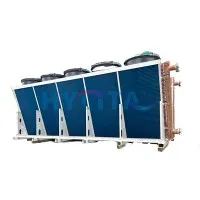
Waste heat recovery in food processing plants is a crucial aspect of sustainable and cost - effective operations. As a waste heat recovery solutions provider, I've witnessed firsthand the transformative impact these systems can have on the food industry. In this blog, I'll explore various waste heat recovery solutions suitable for food processing plants.
The Importance of Waste Heat Recovery in Food Processing
Food processing plants are energy - intensive facilities. They consume large amounts of energy for processes such as cooking, drying, pasteurization, and refrigeration. A significant portion of the energy input is lost as waste heat through exhaust gases, cooling water, and other effluents. Recovering this waste heat can lead to substantial energy savings, reduced operating costs, and a smaller environmental footprint.


By implementing waste heat recovery systems, food processing plants can improve their energy efficiency, which is not only beneficial for the bottom line but also helps meet regulatory requirements and corporate sustainability goals.
Waste Heat Sources in Food Processing Plants
Before diving into the solutions, it's essential to understand the common waste heat sources in food processing plants:
- Exhaust gases: Many food processing operations, such as baking, frying, and drying, generate hot exhaust gases. These gases can reach high temperatures and carry a significant amount of thermal energy.
- Cooling water: Processes like refrigeration and equipment cooling produce warm water. This water can be a valuable source of waste heat if properly recovered.
- Steam condensate: Steam is widely used in food processing for heating, sterilization, and other purposes. When steam condenses, it releases a large amount of latent heat, which can be recovered.
Waste Heat Recovery Solutions
1. Economizer Tube
One of the most effective waste heat recovery solutions for food processing plants is the use of Economizer Tube. Economizer tubes are heat exchangers that transfer heat from hot exhaust gases to a fluid, typically water or steam.
In a food processing plant, economizer tubes can be installed in the exhaust ducts of ovens, dryers, or other heat - generating equipment. The hot exhaust gases pass over the economizer tubes, heating the fluid inside. The heated fluid can then be used for pre - heating water for other processes, such as boiler feedwater or cleaning operations.
The advantages of using economizer tubes include:
- High efficiency: Economizer tubes can achieve high heat transfer rates, allowing for effective recovery of waste heat.
- Low maintenance: They are relatively simple in design and require minimal maintenance.
- Cost - effective: The initial investment in economizer tubes can be quickly recouped through energy savings.
2. SS Economiser Heat Exchanger
SS Economiser Heat Exchanger is another excellent option for waste heat recovery in food processing plants. Made of stainless steel, these heat exchangers are corrosion - resistant and suitable for use in harsh food processing environments.
SS economiser heat exchangers work by transferring heat from hot exhaust gases or other waste heat sources to a process fluid. They can be used to pre - heat air for drying processes, heat water for cleaning or cooking, or even generate steam.
The benefits of SS economiser heat exchangers are:
- Durability: Stainless steel construction ensures long - term performance and resistance to corrosion.
- Versatility: They can be customized to meet the specific heat recovery requirements of different food processing operations.
- Improved process efficiency: By recovering waste heat, SS economiser heat exchangers can reduce the energy consumption of the overall process.
3. Exhaust Gas Heat Exchanger
Exhaust Gas Heat Exchanger is a specialized heat exchanger designed to recover heat from exhaust gases. In food processing plants, exhaust gas heat exchangers can be used in a variety of applications, such as recovering heat from the exhaust of industrial ovens, fryers, and incinerators.
These heat exchangers can transfer heat from the hot exhaust gases to a secondary fluid, which can then be used for heating, cooling, or power generation. For example, the recovered heat can be used to pre - heat combustion air, reducing the energy required to heat the fuel in a boiler or furnace.
The features of exhaust gas heat exchangers include:
- High - temperature resistance: They are designed to withstand high - temperature exhaust gases, ensuring reliable operation.
- Efficient heat transfer: Exhaust gas heat exchangers are engineered to maximize heat transfer efficiency, resulting in significant energy savings.
- Customizable design: They can be tailored to fit the specific exhaust gas flow rates and temperature profiles of different food processing equipment.
Other Waste Heat Recovery Technologies
Organic Rankine Cycle (ORC) Systems
ORC systems are a more advanced waste heat recovery technology that can convert waste heat into electricity. In a food processing plant, ORC systems can be used to recover heat from high - temperature exhaust gases or other waste heat sources and generate electricity on - site.
The working principle of an ORC system involves using an organic fluid with a low boiling point. The waste heat is used to vaporize the organic fluid, which then drives a turbine connected to a generator to produce electricity.
The advantages of ORC systems are:
- Energy diversification: They can provide an additional source of electricity, reducing the plant's reliance on the grid.
- High - efficiency conversion: ORC systems can achieve relatively high efficiency in converting waste heat into electricity.
- Environmental benefits: By generating electricity from waste heat, ORC systems can reduce greenhouse gas emissions.
Heat Pumps
Heat pumps are devices that can transfer heat from a low - temperature source to a high - temperature sink. In food processing plants, heat pumps can be used to recover waste heat from cooling water or other low - temperature waste heat sources and use it for heating purposes.
Heat pumps work by using a refrigerant to absorb heat from the low - temperature source, compress it to a higher temperature, and then release the heat to the high - temperature sink.
The benefits of heat pumps include:
- Energy efficiency: Heat pumps can provide more heat output than the electrical energy they consume, resulting in significant energy savings.
- Flexibility: They can be used for both heating and cooling applications, depending on the needs of the food processing plant.
- Low environmental impact: Heat pumps use environmentally friendly refrigerants and can reduce the overall carbon footprint of the plant.
Considerations for Implementing Waste Heat Recovery Systems
When implementing waste heat recovery systems in food processing plants, several factors need to be considered:
- Heat source characteristics: The temperature, flow rate, and composition of the waste heat source need to be accurately determined to select the most suitable waste heat recovery technology.
- Process requirements: The recovered heat should be compatible with the specific requirements of the food processing operations, such as temperature, pressure, and purity.
- Cost - benefit analysis: A detailed cost - benefit analysis should be conducted to evaluate the economic viability of the waste heat recovery system, including the initial investment, operating costs, and energy savings.
- Regulatory compliance: The waste heat recovery system should comply with all relevant environmental and safety regulations.
Conclusion
Waste heat recovery is a valuable strategy for food processing plants to improve energy efficiency, reduce operating costs, and minimize environmental impact. As a waste heat recovery solutions provider, I offer a range of technologies, including Economizer Tube, SS Economiser Heat Exchanger, and Exhaust Gas Heat Exchanger, to meet the diverse needs of the food industry.
If you're interested in exploring waste heat recovery solutions for your food processing plant, I encourage you to get in touch. Our team of experts can conduct a comprehensive assessment of your plant's waste heat sources and recommend the most suitable solutions. We're committed to helping you achieve your energy efficiency and sustainability goals.
References
- Smith, J. (2020). Energy Efficiency in Food Processing. Journal of Food Science and Technology, 57(2), 456 - 462.
- Johnson, A. (2019). Waste Heat Recovery Technologies for Industrial Applications. Elsevier.
- Brown, C. (2021). Sustainable Food Processing: Strategies for Energy Conservation. CRC Press.