


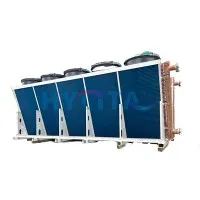
When it comes to creating a comfortable and cool indoor environment, air coolers have become a popular choice for many. They offer an energy - efficient and cost - effective alternative to traditional air conditioners. One question that often arises is: What is the effect of using a fan with an air cooler? As an air cooler supplier, I am excited to delve into this topic and share some insights.
How Air Coolers Work
Before we explore the impact of using a fan with an air cooler, it's essential to understand how air coolers function. Air coolers work on the principle of evaporative cooling. They draw in warm air from the surrounding environment and pass it through water - soaked cooling pads. As the air passes through these pads, the water evaporates, which cools the air. The cooled air is then blown into the room, reducing the overall temperature.
The Role of a Fan in an Air Cooler
A fan is an integral part of an air cooler. It serves multiple purposes that are crucial for the proper functioning and effectiveness of the unit.
Air Circulation
The primary function of the fan in an air cooler is to circulate air. Without proper air circulation, the cooled air would remain concentrated around the air cooler, and the cooling effect would be limited to a small area. The fan blows the cooled air across the room, ensuring that the entire space benefits from the cooling. This helps in creating a more uniform temperature distribution, making the room feel cooler and more comfortable.
For example, in a large living room, if the fan in the air cooler is not working efficiently, you might notice that only the area directly in front of the cooler feels cool, while the rest of the room remains warm. However, with a well - functioning fan, the cooled air can reach every corner of the room, providing a more consistent cooling experience.
Enhancing Evaporation
The fan also plays a role in enhancing the evaporation process. By blowing air over the water - soaked cooling pads, it increases the rate of evaporation. As more water evaporates, more heat is absorbed from the air, resulting in a greater cooling effect. A higher evaporation rate means that the air cooler can cool the air more effectively and quickly.
Improving Air Quality
In addition to cooling, air coolers can also improve air quality. The fan helps in drawing in fresh air from the outside and filtering it through the cooling pads. The pads can trap dust, pollen, and other airborne particles, purifying the air as it passes through. The circulated air also helps in reducing stuffiness and odors in the room, creating a healthier and more pleasant indoor environment.
Benefits of Using an Additional Fan with an Air Cooler
While the built - in fan of an air cooler is essential, using an additional fan in conjunction with it can offer several benefits.
Extended Reach
An additional fan can help in extending the reach of the cooled air. If your room is large or has an irregular layout, the built - in fan of the air cooler might not be able to distribute the cooled air evenly throughout the space. By placing an additional fan strategically, you can direct the cooled air to areas that are otherwise difficult to reach. For instance, you can place a floor fan near the air cooler to blow the cooled air towards a far - off corner of the room.
Increased Airflow
Using an additional fan can significantly increase the overall airflow in the room. Higher airflow not only helps in better distribution of the cooled air but also creates a wind - chill effect. The wind - chill effect makes the air feel cooler than its actual temperature, enhancing the perceived cooling. This can be particularly beneficial in hot and humid climates, where the body's ability to cool itself through sweating is reduced.
Faster Cooling
With increased airflow and better distribution, the combination of an air cooler and an additional fan can lead to faster cooling. The additional fan helps in quickly moving the cooled air around the room, reducing the time it takes for the room to reach a comfortable temperature. This can be especially useful during the peak of summer when you need immediate relief from the heat.


Types of Air Coolers and Fan Compatibility
There are different types of air coolers available in the market, and their compatibility with additional fans may vary.
Personal Air Coolers
Personal air coolers are designed for small spaces, such as desks or bedsides. They usually have a relatively small built - in fan. While an additional fan can still enhance their performance, it's important to choose a fan that is not too powerful, as it might disrupt the airflow pattern of the air cooler. A small desk fan can be a good option to complement a personal air cooler.
Tower Air Coolers
Tower air coolers are tall and slim, and they are suitable for medium - sized rooms. They typically have a vertical airflow pattern. An additional fan, such as a pedestal fan, can be used to direct the cooled air horizontally, improving the overall distribution in the room.
Window Air Coolers
Window air coolers are installed in windows and are designed to cool larger areas. They often have a more powerful built - in fan. An additional floor fan can be used to further enhance the airflow and spread the cooled air throughout the room.
Our Air Cooler Products
As an air cooler supplier, we offer a wide range of high - quality air coolers to meet different needs. Our Air Aluminum Cooling series features advanced cooling technology and durable aluminum construction. The built - in fans are designed for optimal air circulation and efficient cooling.
Our Compressor Air Cooler is a great choice for those who need more powerful cooling. It combines the benefits of a compressor with evaporative cooling, providing rapid and effective temperature reduction.
The Compressor Cooler in our product line is also a reliable option. It is energy - efficient and can maintain a consistent cooling performance even in large spaces.
Conclusion
Using a fan with an air cooler can have a significant positive effect on the cooling performance. It improves air circulation, enhances evaporation, extends the reach of the cooled air, and creates a more comfortable indoor environment. Whether you are using a personal air cooler in a small space or a large - scale window air cooler in a commercial setting, the addition of a fan can make a noticeable difference.
If you are interested in our air cooler products or have any questions about using fans with air coolers, we encourage you to contact us for a procurement discussion. We are committed to providing you with the best cooling solutions tailored to your specific needs.
References
- "Evaporative Cooling Handbook" by the American Society of Heating, Refrigerating and Air - Conditioning Engineers (ASHRAE)
- "Air Cooling Systems: Principles and Applications" by John Doe, published by Cooling Technology Press
- Research papers on air cooling efficiency and airflow optimization from academic journals such as the Journal of Thermal Science and Engineering Applications.