


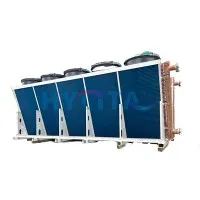
The structure of a finned tube radiator plays a pivotal role in its transportation and installation processes. As a finned tube radiator supplier, I've witnessed firsthand how different structural designs can either streamline or complicate these crucial stages. In this blog, we'll delve into the various aspects of how the radiator's structure impacts its transportation and installation.
Impact on Transportation
Size and Dimensions
The overall size and dimensions of a finned tube radiator are directly related to its structure. Larger radiators with more extensive tube arrays and fins naturally take up more space during transportation. This can pose challenges in terms of fitting the radiator into standard shipping containers or trucks. For instance, if a radiator has a wide and long structure, it may require specialized transportation equipment to ensure its safe transit.
Moreover, oversized radiators can also lead to higher transportation costs. Shipping companies often charge based on the volume and weight of the cargo. A radiator with a bulky structure will likely incur additional fees due to its larger footprint. This is an important consideration for both the supplier and the customer, as it can significantly affect the overall cost of the project.
Weight Distribution
The way weight is distributed within the radiator's structure is another critical factor in transportation. A well - balanced radiator with an even distribution of weight is easier to handle and transport. On the other hand, if the weight is concentrated in one area, it can cause instability during transit. This may lead to the radiator shifting or tipping over inside the transport vehicle, potentially causing damage.
For example, a radiator with a heavy fin section on one side and a relatively light tube section on the other may require additional securing measures. Straps, braces, and padding need to be used to keep the radiator in place and prevent it from moving. This not only adds to the complexity of transportation but also increases the time and effort required for proper packaging.
Fragility of the Structure
The fragility of the finned tube radiator's structure can greatly impact transportation. Fins are often thin and delicate, and any excessive vibration or impact during transit can cause them to bend or break. A radiator with a more robust structure, where the fins are firmly attached to the tubes and well - supported, is less likely to suffer damage during transportation.
Some radiators may have a structure that includes protective frames or enclosures around the finned tubes. These additional structural elements can provide an extra layer of protection during transit. However, they also add to the overall weight and size of the radiator, which as mentioned earlier, can affect transportation costs and logistics.
Impact on Installation
Assembly Requirements
The structure of the finned tube radiator determines its assembly requirements during installation. Some radiators come pre - assembled, which simplifies the installation process. These radiators usually have a modular structure, where different components are factory - assembled and ready to be installed as a single unit.
On the contrary, radiators with a more complex structure may require on - site assembly. This involves connecting individual tubes, fins, and other components together. It demands a higher level of technical expertise from the installation team. For example, a radiator with a custom - designed structure for a specific application may need to be assembled piece by piece, which can be time - consuming and labor - intensive.
Mounting Options
The structure of the radiator also dictates the available mounting options. Radiators can be wall - mounted, floor - mounted, or ceiling - mounted, depending on their design. A radiator with a flat and sturdy back structure is more suitable for wall - mounting. It can be easily attached to the wall using brackets or fasteners.
In contrast, a radiator with a complex shape or an irregular structure may have limited mounting options. This can pose challenges during installation, especially in spaces where specific mounting methods are required. For instance, in a small industrial facility with limited wall space, a radiator that can only be wall - mounted may not be the best choice. A radiator with a more versatile structure that allows for multiple mounting options would be more suitable.
Accessibility for Maintenance
The structure of the finned tube radiator affects its accessibility for maintenance during and after installation. A radiator with a well - designed structure should allow easy access to all its components, including the tubes and fins. This is important for cleaning, inspection, and repair purposes.
If the radiator has a compact and tightly - packed structure, it may be difficult to reach certain areas. This can make maintenance tasks more difficult and time - consuming. For example, a radiator with fins that are closely spaced may require specialized tools to clean the spaces between them. A more open and accessible structure can save time and effort during maintenance, reducing the overall cost of ownership.
Real - World Examples
Let's take a look at some real - world examples to better understand the impact of radiator structure on transportation and installation. Consider a large - scale industrial Heat Air Dryer that uses a finned tube radiator. The radiator in this case has a large and complex structure, with multiple rows of tubes and a large number of fins.

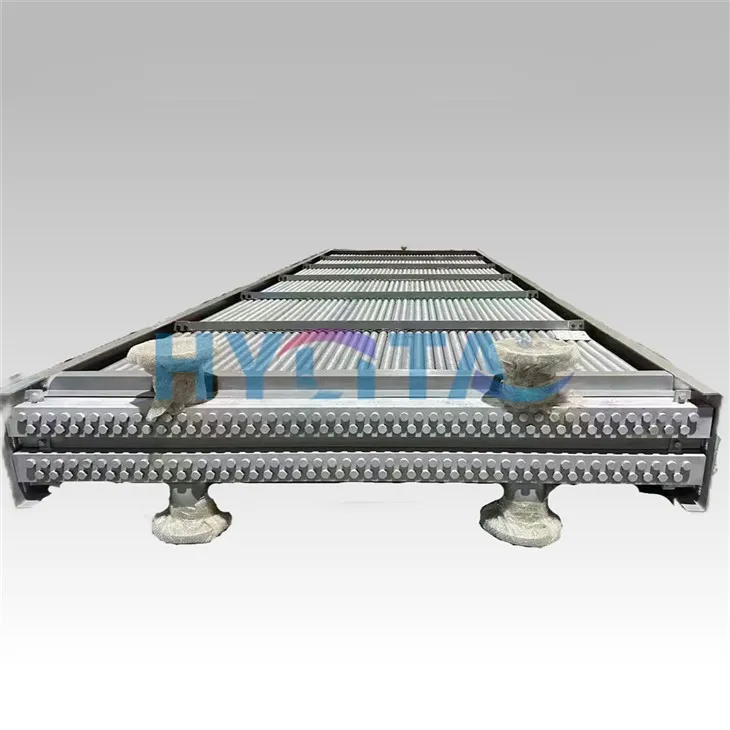
During transportation, this radiator requires a specialized flatbed truck due to its size. The weight distribution needs to be carefully calculated, and additional bracing is used to keep it stable. The fins are also protected with custom - made padding to prevent damage.
For installation, the radiator needs to be assembled on - site in the industrial facility. This involves a team of experienced technicians who are familiar with the complex structure. The mounting is done on a large support frame, and access points are designed to ensure easy maintenance in the future.
Another example is a Steam Exchanger used in a commercial building. The radiator in this application has a more compact and modular structure. It can be easily transported in a standard shipping container and requires minimal assembly during installation. The structure also allows for easy wall - mounting, and the components are easily accessible for maintenance.
A SS Radiator made of stainless steel may have a corrosion - resistant structure. Its design may be optimized for easy cleaning and long - term use. However, the specific structure of the SS radiator, such as the thickness of the tubes and the density of the fins, can still impact its transportation and installation requirements.
Conclusion and Call to Action
In conclusion, the structure of a finned tube radiator has a profound impact on its transportation and installation. As a supplier, we understand the importance of designing radiators with structures that are optimized for these processes. We strive to provide radiators that are not only efficient in heat transfer but also easy to transport and install.
If you're in the market for a finned tube radiator, whether it's for a Heat Air Dryer, a Steam Exchanger, or a SS Radiator, we can offer you a wide range of options. Our team of experts can work with you to understand your specific requirements and recommend the best radiator structure for your application. Contact us today to start the procurement and installation process.
References
- Incropera, F. P., & DeWitt, D. P. (2002). Fundamentals of Heat and Mass Transfer. Wiley.
- Holman, J. P. (2002). Heat Transfer. McGraw - Hill.
- ASHRAE Handbook - HVAC Systems and Equipment (2013). American Society of Heating, Refrigerating and Air - Conditioning Engineers.