


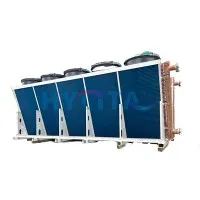
Hey there! I'm a supplier of condenser coils, and I'm super stoked to walk you through the installation process of these nifty devices. Condenser coils are a crucial part of many cooling systems, whether it's for data centers, industrial setups, or marine applications. So, let's dive right in!
Pre - installation Checks
Before you even think about installing a condenser coil, you've got to do some prep work. First off, check the space where you're planning to install the coil. It should be well - ventilated and have enough room for proper air circulation. You don't want to cram it into a tight spot because that'll mess with its efficiency big time.
Measure the dimensions of the space carefully. Make sure it matches the size of the condenser coil you've got. If the space is too small, the coil won't fit properly, and if it's too big, it might not function as effectively.
Also, take a look at the electrical and plumbing connections. Ensure that the power supply can handle the load of the condenser coil. Check the voltage requirements and make sure the wiring is in good condition. For the plumbing, inspect the pipes for any leaks or blockages. You don't want water issues popping up during or after installation.
Gathering Tools and Materials
Once you've done your pre - installation checks, it's time to gather all the tools and materials you'll need. You'll definitely need a set of wrenches for tightening bolts and nuts. A screwdriver will come in handy for removing and installing covers or panels. A refrigerant charging manifold is essential if you're dealing with a refrigerant - based system.
You'll also need some sealing materials like gaskets and O - rings. These help prevent any refrigerant or water leaks. And don't forget about safety gear! Gloves and safety glasses are a must to protect yourself from any sharp edges or chemicals.
Mounting the Condenser Coil
Now, it's time to mount the condenser coil. Start by finding a sturdy surface to attach it to. This could be a wall or a frame. Use the appropriate mounting brackets that come with the coil. Make sure the brackets are securely fastened to the surface.
Lift the condenser coil carefully and place it on the mounting brackets. Align the holes in the coil with the holes in the brackets. Then, insert the bolts and tighten them using your wrenches. Make sure the coil is level and straight. You can use a spirit level to check this. A misaligned coil can cause uneven airflow and reduce its performance.
Connecting the Refrigerant Lines
If your condenser coil is part of a refrigerant - based system, connecting the refrigerant lines is a critical step. First, clean the ends of the refrigerant lines using a clean cloth. This helps remove any dirt or debris that could clog the system.
Next, use a flare nut wrench to connect the refrigerant lines to the condenser coil. Make sure the connections are tight but be careful not to over - tighten, as this can damage the lines or the fittings. Once the lines are connected, you can use a refrigerant charging manifold to add the appropriate amount of refrigerant to the system. This step should be done carefully, following the manufacturer's instructions.


Electrical Connections
Now, let's move on to the electrical connections. Start by turning off the power supply to the area where you're working. This is a safety measure to prevent any electrical shocks.
Identify the power wires and the control wires. Connect the power wires to the appropriate terminals on the condenser coil. Make sure the connections are secure. You can use wire nuts or terminal blocks to connect the wires.
For the control wires, connect them to the control board on the condenser coil. These wires are responsible for controlling the operation of the coil, such as turning it on and off or adjusting the fan speed. Double - check all the connections to make sure they're correct.
Testing the System
Once you've completed all the connections, it's time to test the system. Turn on the power supply and let the condenser coil run for a few minutes. Listen for any unusual noises, such as rattling or buzzing. These could indicate a problem with the installation.
Check the temperature and pressure gauges on the refrigerant charging manifold. The readings should be within the normal range specified by the manufacturer. Also, check for any leaks around the refrigerant lines, electrical connections, or the coil itself. You can use a leak detector to find any small leaks.
If everything seems to be working fine, let the system run for a longer period to ensure its stability. Monitor the performance of the condenser coil and make any necessary adjustments.
Applications of Condenser Coils
Condenser coils have a wide range of applications. For data centers, they play a crucial role in keeping the servers cool. You can learn more about Condenser and Coil for Data Center Cooling. In industrial settings, Industrial Condenser Unit are used to cool various processes and equipment. And in marine applications, Marine Condenser Unit help maintain the temperature of the ship's machinery.
Conclusion
Well, that's the installation process of a condenser coil in a nutshell. It might seem like a complex task, but if you follow the steps carefully and take your time, you'll be able to install it successfully.
If you're in the market for a high - quality condenser coil, we're here to help. Our condenser coils are designed to be efficient, reliable, and easy to install. Whether you need one for a data center, an industrial plant, or a marine vessel, we've got you covered.
If you're interested in purchasing a condenser coil or have any questions about the installation process, feel free to reach out. We're always happy to assist you with your cooling needs.
References
ASHRAE Handbook - HVAC Systems and Equipment.
Manufacturer's installation manuals for condenser coils.