


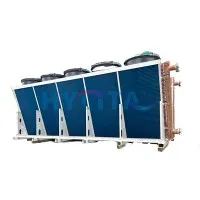
Hey there! As a finned tube radiator supplier, I often get asked about the maximum pressure that these radiators can withstand. It's a crucial question, especially for industries where high - pressure systems are the norm. So, let's dive right into it.
Understanding Finned Tube Radiators
First off, let's quickly go over what finned tube radiators are. They're heat exchangers that use tubes with fins attached to increase the surface area for heat transfer. This design allows for more efficient heat exchange between the fluid inside the tubes and the surrounding air. Finned tube radiators come in different types, such as Vapour Radiator, Hot Water Radiator, and Thermal Oil Radiator. Each type has its own unique characteristics and applications.
Factors Affecting the Maximum Pressure
The maximum pressure a finned tube radiator can handle depends on several factors.
1. Material of the Tubes and Fins
The material used in the construction of the tubes and fins plays a huge role. For example, radiators made from stainless steel can generally withstand higher pressures compared to those made from aluminum. Stainless steel is stronger and more resistant to corrosion, which is important when dealing with high - pressure environments. The thickness of the tube walls also matters. Thicker walls can handle more pressure without deforming or bursting.
2. Design and Construction
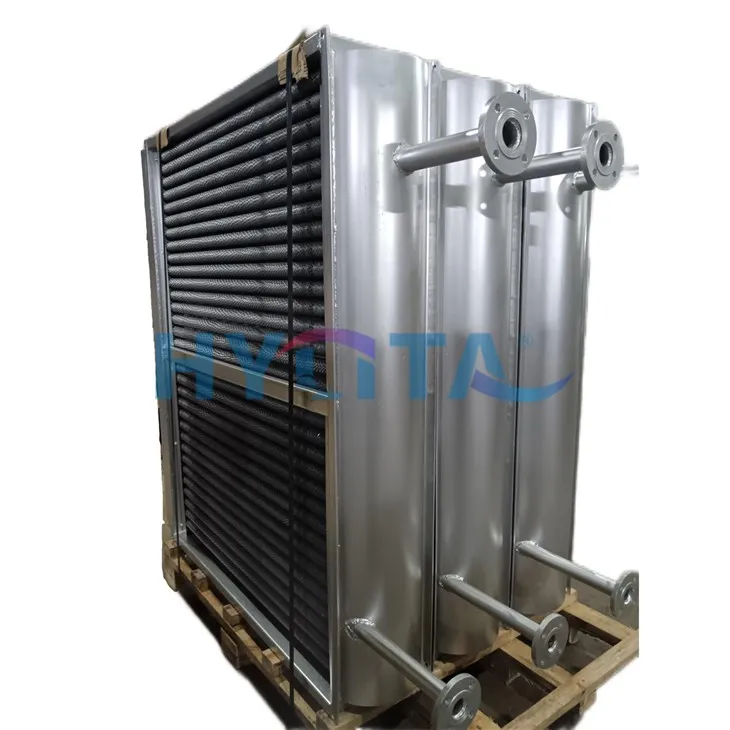
The design of the radiator is another key factor. A well - designed radiator with proper bracing and support can distribute pressure evenly across the structure. The way the fins are attached to the tubes also affects the pressure resistance. If the fins are firmly attached, they can help reinforce the tubes and increase the overall pressure - handling capacity.

3. Manufacturing Quality
The quality of the manufacturing process is crucial. Radiators that are made with high - precision machinery and strict quality control measures are more likely to have a higher maximum pressure rating. Poorly manufactured radiators may have weak spots or defects that can lead to failure under pressure.
Typical Pressure Ratings
In general, finned tube radiators can have a wide range of pressure ratings. For low - pressure applications, such as in some residential heating systems, the maximum pressure might be around 10 - 20 bar. These radiators are usually made of lighter materials and have a simpler design.
On the other hand, industrial - grade finned tube radiators can handle much higher pressures. Some heavy - duty radiators used in chemical plants or power generation facilities can withstand pressures of up to 100 bar or more. These radiators are built with stronger materials and more robust designs to ensure they can operate safely under extreme conditions.
Testing and Certification
To determine the maximum pressure a finned tube radiator can withstand, it undergoes rigorous testing. Manufacturers use specialized equipment to apply increasing pressure to the radiator until it reaches its limit. This testing helps identify any weaknesses in the design or construction.
Once a radiator passes the pressure tests, it can be certified to meet certain pressure standards. These certifications are important as they give customers confidence in the product's performance and safety.
Case Studies
Let's take a look at a couple of real - world examples to better understand the pressure capabilities of finned tube radiators.
In a chemical processing plant, a Thermal Oil Radiator was installed to cool the thermal oil used in the production process. The radiator was designed to handle a maximum pressure of 80 bar. Through careful engineering and high - quality manufacturing, it was able to operate reliably under these high - pressure conditions for many years.
In a district heating system, a Hot Water Radiator was used to heat the water for residential buildings. The radiator had a maximum pressure rating of 15 bar, which was sufficient for the relatively low - pressure requirements of the system.
Choosing the Right Radiator for Your Needs
When selecting a finned tube radiator, it's important to consider the maximum pressure of your system. If you're working with a high - pressure application, you'll need a radiator with a high - pressure rating. Make sure to consult with a professional or the manufacturer to ensure you choose the right radiator for your specific needs.
Conclusion
So, to sum it up, the maximum pressure that a finned tube radiator can withstand depends on various factors such as the material, design, and manufacturing quality. Whether you need a Vapour Radiator for a steam - based system, a Hot Water Radiator for a heating system, or a Thermal Oil Radiator for an industrial process, we have the expertise to provide you with the right solution.
If you're in the market for a finned tube radiator and want to discuss your specific requirements, don't hesitate to reach out. We're here to help you find the perfect radiator that can handle the pressure of your system.
References
- "Heat Exchanger Handbook", by William M. Kays and A. L. London
- "Thermal Design of Finned Tube Heat Exchangers", by A. K. Hajra