


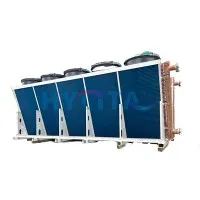
When it comes to industrial and commercial cooling systems, chiller cooling units play a pivotal role. As a seasoned chiller cooling unit supplier, I've encountered numerous inquiries about the typical lifespan of these essential pieces of equipment. In this blog, I'll delve into the factors that influence the lifespan of a chiller cooling unit, provide a general estimate, and offer insights on how to extend its operational life.
Understanding Chiller Cooling Units
Before discussing the lifespan, it's crucial to understand what a chiller cooling unit is and how it functions. Chillers are used to remove heat from a liquid through a vapor - compression or absorption refrigeration cycle. The cooled liquid is then circulated through a heat exchanger to cool equipment or air in a building. There are various types of chillers, including water - cooled, air - cooled, and evaporative condensers, each with its own set of advantages and applications.
Factors Affecting the Lifespan of a Chiller Cooling Unit
1. Quality of Manufacturing
The build quality of a chiller cooling unit is one of the most significant factors influencing its lifespan. High - quality chillers are constructed with durable materials and precision engineering. Components such as compressors, condensers, and evaporators are designed to withstand the rigors of continuous operation. At our company, we ensure that all our chillers are built to the highest standards, using top - grade materials and state - of - the - art manufacturing processes.
2. Maintenance and Service
Regular maintenance is essential for the longevity of a chiller cooling unit. This includes tasks such as cleaning the condenser coils, checking refrigerant levels, and inspecting electrical components. A well - maintained chiller is less likely to experience breakdowns and will operate more efficiently. We offer comprehensive maintenance services to our customers, ensuring that their chillers are in optimal condition throughout their lifespan.


3. Operating Conditions
The environment in which a chiller operates can have a profound impact on its lifespan. Chillers that are exposed to extreme temperatures, high humidity, or dusty conditions may experience accelerated wear and tear. For example, an air - cooled chiller operating in a hot and dry climate may have to work harder to dissipate heat, putting more stress on its components. In contrast, a water - cooled chiller in a controlled industrial environment may have a longer lifespan.
4. Usage Patterns
The frequency and intensity of use also affect the lifespan of a chiller. A chiller that operates continuously at full capacity will experience more wear than one that is used intermittently or at partial load. Understanding the specific usage requirements of a facility is crucial when selecting a chiller. We work closely with our customers to determine the appropriate chiller size and type based on their usage patterns.
Typical Lifespan of a Chiller Cooling Unit
On average, a well - maintained chiller cooling unit can last between 15 to 25 years. However, this is just a general estimate, and the actual lifespan can vary significantly depending on the factors mentioned above. For instance, a high - quality chiller that is properly maintained and operated under ideal conditions may last up to 30 years or more. Conversely, a poorly maintained chiller or one that is subjected to harsh operating conditions may need to be replaced after just 10 years.
Extending the Lifespan of a Chiller Cooling Unit
1. Regular Maintenance
As mentioned earlier, regular maintenance is key to extending the lifespan of a chiller. This should include scheduled inspections, cleaning, and component replacements as needed. Our maintenance plans are tailored to the specific needs of each customer, ensuring that their chillers receive the care they require.
2. Upgrades and Retrofits
Over time, technological advancements can make older chillers less efficient. Upgrading certain components or retrofitting the chiller with new technology can improve its performance and extend its lifespan. For example, upgrading to a more energy - efficient compressor can reduce energy consumption and stress on the system.
3. Monitoring and Control
Implementing a monitoring and control system can help detect potential issues early. By continuously monitoring parameters such as temperature, pressure, and refrigerant levels, operators can identify problems before they escalate into major breakdowns. Our company offers advanced monitoring solutions that provide real - time data and alerts.
Our Product Range
We offer a wide range of chiller cooling units to meet the diverse needs of our customers. Some of our popular products include:
- Water To Water Heat Exchanger: This type of heat exchanger is highly efficient and can be used in various applications, such as industrial processes and HVAC systems.
- Stainless Steel Air Fin Cooler: Made from high - quality stainless steel, these air fin coolers are durable and resistant to corrosion, making them suitable for harsh environments.
- Air Chiller with Free Cooling: This innovative chiller uses free cooling technology to reduce energy consumption, providing significant cost savings over time.
Conclusion
The typical lifespan of a chiller cooling unit depends on a variety of factors, including manufacturing quality, maintenance, operating conditions, and usage patterns. By understanding these factors and taking appropriate measures, such as regular maintenance and upgrades, it is possible to extend the lifespan of a chiller and ensure its optimal performance.
If you are in the market for a chiller cooling unit or need assistance with maintenance and upgrades, we are here to help. Our team of experts has extensive experience in the industry and can provide you with the best solutions for your cooling needs. Contact us today to discuss your requirements and start a procurement discussion.
References
- ASHRAE Handbook of Refrigeration. American Society of Heating, Refrigerating and Air - Conditioning Engineers.
- Chiller Maintenance Best Practices. Cooling Technology Institute.