


Yo, what's up! As a supplier of finned tube radiators, I'm super stoked to chat with you about the new technologies rocking the modern finned tube radiator scene.
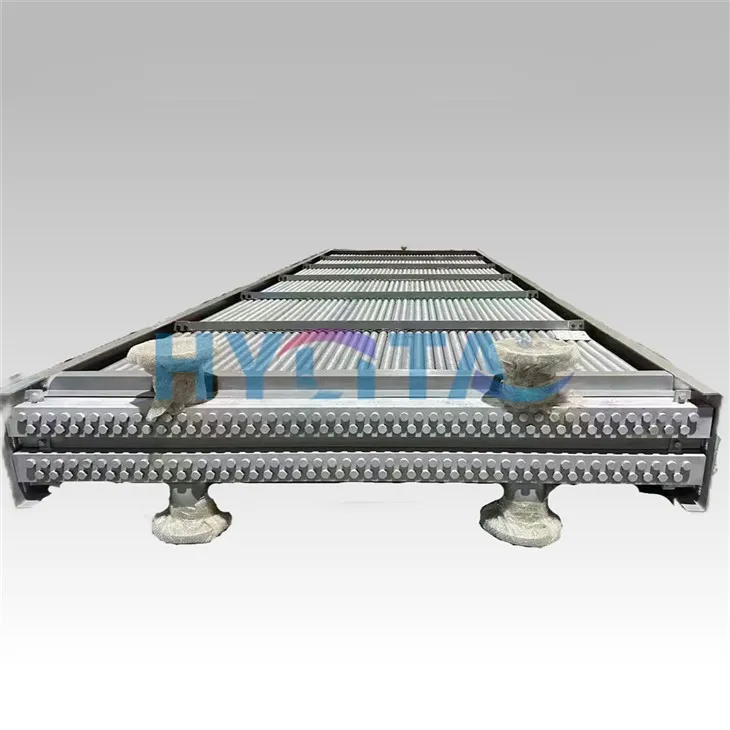

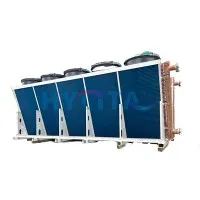
Let's start by getting a quick lowdown on what finned tube radiators are. These bad boys are heat exchangers that use extended surfaces, called fins, to increase the heat transfer area. They're everywhere – from industrial plants keeping machinery cool to HVAC systems in our homes and offices. The basic principle is simple: hot fluid flows through the tubes, and the fins help dissipate the heat into the surrounding air or another fluid.
Now, let's dive into the cool new tech that's making modern finned tube radiators even better.
Advanced Fin Materials and Designs
One of the biggest game - changers is the use of new materials for fins. Traditional materials like aluminum and copper are still around, but we're seeing a rise in the use of stainless steel. Stainless steel fins offer excellent corrosion resistance, which is a huge plus in harsh environments. For example, in chemical plants where there are corrosive gases or in marine applications. Check out our SS Radiator for a great example of how stainless steel can be used to build durable and efficient radiators.
In terms of design, manufacturers are getting super creative. We're seeing fins with complex shapes like louvered fins, wavy fins, and pin fins. Louvered fins have small slits that disrupt the airflow, which increases the turbulence and improves heat transfer. Wavy fins, on the other hand, increase the surface area without taking up too much extra space. Pin fins are like little pins sticking out from the tube, and they're great for enhancing heat transfer in high - velocity airflow situations.
Enhanced Tube Manufacturing Techniques
The tubes in finned tube radiators are also getting an upgrade. New manufacturing techniques are allowing for thinner - walled tubes without sacrificing strength. Thinner walls mean less resistance to heat transfer, which makes the radiator more efficient. For instance, using advanced extrusion methods, we can create tubes with precise dimensions and smooth inner surfaces. This not only improves heat transfer but also reduces the pressure drop across the tubes, which means less energy is needed to pump the fluid through the radiator.
Another cool development is the use of micro - channels in tubes. Micro - channel tubes have tiny channels inside them, which increase the surface area for heat transfer. They're especially useful in applications where space is limited, like in automotive radiators. These tubes can transfer heat more effectively in a smaller package, making them ideal for compact designs.
Smart Control Systems
Modern finned tube radiators are also getting smarter. With the rise of the Internet of Things (IoT), we're seeing radiators equipped with sensors and control systems. These sensors can monitor things like temperature, pressure, and flow rate in real - time. The data collected by these sensors is then sent to a control unit, which can adjust the operation of the radiator accordingly.
For example, if the temperature of the fluid entering the radiator is higher than normal, the control system can increase the fan speed or adjust the flow rate of the coolant to maintain the desired temperature. This not only improves the efficiency of the radiator but also helps prevent overheating and damage to the equipment. It's like having a little brain in your radiator that's constantly optimizing its performance.
Heat Transfer Fluids
The choice of heat transfer fluid is crucial for the performance of a finned tube radiator. In recent years, there have been some exciting developments in this area. New synthetic heat transfer fluids are being developed that have better thermal properties than traditional fluids like water or glycol. These fluids can operate at higher temperatures and have lower viscosities, which means they can transfer heat more efficiently.
Some of these new fluids also have better chemical stability, which reduces the risk of corrosion and fouling inside the tubes. This extends the lifespan of the radiator and reduces maintenance costs. For example, in high - temperature industrial processes, these advanced heat transfer fluids can make a big difference in the performance and reliability of the radiator.
Air - to - Air Heat Exchangers
When it comes to specific types of finned tube radiators, air - to - air heat exchangers are really taking off. These radiators are used to transfer heat between two air streams. They're commonly used in HVAC systems to recover heat from exhaust air and use it to pre - heat incoming fresh air. This can save a significant amount of energy, especially in large commercial buildings.
Our Air To Air Heat Exchanger uses the latest fin and tube technologies to maximize heat transfer efficiency. It's designed to be compact and easy to install, making it a great choice for retrofit projects as well as new construction.
Steam Exchangers
Steam exchangers are another important type of finned tube radiator. They're used to transfer heat from steam to another fluid, usually water or a process fluid. In modern steam exchangers, new technologies are being used to improve the condensation process and reduce the risk of water hammer.
For example, advanced tube designs and fin configurations are used to ensure that the steam condenses evenly inside the tubes. This improves the heat transfer efficiency and reduces the wear and tear on the equipment. Check out our Steam Exchanger to see how these new technologies are being applied in a real - world product.
Conclusion
So, as you can see, there are a ton of new technologies being applied in modern finned tube radiators. From advanced materials and designs to smart control systems and new heat transfer fluids, these technologies are making radiators more efficient, durable, and reliable.
If you're in the market for a finned tube radiator, whether it's for an industrial application, an HVAC system, or something else, I'd love to chat with you. We've got a wide range of products that incorporate these latest technologies, and we can work with you to find the perfect solution for your needs. Don't hesitate to reach out and start a conversation about your radiator requirements.
References
- Incropera, F. P., & DeWitt, D. P. (2002). Fundamentals of Heat and Mass Transfer. Wiley.
- Kakac, S., & Liu, H. (2002). Heat Exchangers: Selection, Rating, and Thermal Design. CRC Press.