


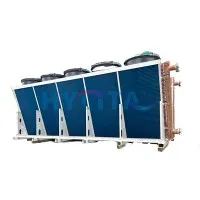
A condenser coil is a crucial component in various cooling systems, playing a vital role in transferring heat and ensuring the efficient operation of equipment. However, like any mechanical part, condenser coils can get damaged over time due to a variety of factors. As a condenser coil supplier, I often encounter customers asking whether a damaged condenser coil can be repaired. In this blog post, I'll explore this question in detail, discussing the types of damage, repair methods, and when replacement might be a better option.
Types of Condenser Coil Damage
Before delving into the repair possibilities, it's essential to understand the common types of damage that condenser coils can sustain.
Corrosion
Corrosion is one of the most prevalent issues faced by condenser coils. It occurs when the coil's metal surface reacts with environmental factors such as moisture, chemicals, and pollutants. Over time, corrosion can weaken the coil's structure, leading to leaks and reduced heat transfer efficiency. For example, in industrial settings where the air may contain high levels of corrosive substances, or in marine environments where saltwater can accelerate corrosion, condenser coils are particularly vulnerable.
Physical Damage
Physical damage can result from a variety of causes, including accidental impacts, improper handling during installation or maintenance, and the presence of debris. A bent or dented coil can disrupt the airflow through the coil, reducing its ability to transfer heat effectively. In some cases, physical damage can also cause refrigerant leaks, which can further compromise the performance of the cooling system.
Clogging
Clogging is another common problem that can affect condenser coils. Dust, dirt, and other debris can accumulate on the coil's surface, blocking the airflow and reducing the heat transfer efficiency. This can lead to increased energy consumption, reduced cooling capacity, and potential system failures. Clogging is often more prevalent in environments with poor air quality or where the cooling system is not properly maintained.
Repairing a Damaged Condenser Coil
The possibility of repairing a damaged condenser coil depends on the type and extent of the damage. Here are some common repair methods:
Corrosion Repair
If the corrosion is minor, it may be possible to repair the condenser coil by cleaning and treating the affected area. This typically involves removing the corrosion using a suitable cleaning agent and applying a protective coating to prevent further corrosion. However, if the corrosion has penetrated deep into the coil's structure, it may be necessary to replace the damaged section or the entire coil.
Physical Damage Repair
For minor physical damage, such as a bent fin, it may be possible to straighten the fin using a fin comb or other specialized tools. However, if the damage is more severe, such as a significant dent or a broken tube, it may be necessary to replace the damaged component. In some cases, it may also be possible to patch a small leak in the coil using a suitable sealant.
Clogging Repair
To repair a clogged condenser coil, the first step is to clean the coil thoroughly. This can be done using a coil cleaner and a high-pressure water spray. In some cases, it may also be necessary to remove the coil from the system for more intensive cleaning. Once the coil is clean, it's important to take steps to prevent future clogging, such as installing air filters and ensuring proper ventilation.


When to Replace a Damaged Condenser Coil
While repairing a damaged condenser coil can be a cost-effective solution in some cases, there are situations where replacement is a better option.
Extensive Damage
If the damage to the condenser coil is extensive, such as severe corrosion or multiple leaks, it may be more practical to replace the entire coil. Attempting to repair extensive damage can be time-consuming and expensive, and there's no guarantee that the repaired coil will perform as well as a new one.
Old Age
Condenser coils have a limited lifespan, and as they age, they become more prone to damage and failure. If the coil is approaching the end of its expected lifespan, it may be more cost-effective to replace it rather than attempting to repair it. This can help to avoid future breakdowns and ensure the continued efficient operation of the cooling system.
Energy Efficiency
Older condenser coils may be less energy-efficient than newer models. If the damaged coil is significantly reducing the energy efficiency of the cooling system, replacing it with a more efficient coil can result in long-term energy savings.
Our Condenser Coil Products
As a condenser coil supplier, we offer a wide range of high-quality condenser coils for various applications. Our Industrial Condenser Unit is designed to meet the demanding requirements of industrial cooling systems, providing reliable performance and efficient heat transfer. Our Marine Condenser Unit is specifically engineered to withstand the harsh marine environment, with corrosion-resistant materials and advanced design features. And our Condenser and Coil for Data Center Cooling is optimized for the precise temperature control and high reliability required in data center applications.
Contact Us for Procurement and Consultation
If you're facing issues with a damaged condenser coil or are in need of a new condenser coil for your cooling system, we're here to help. Our team of experts can provide you with professional advice on whether repair or replacement is the best option for your specific situation. We can also offer customized solutions to meet your unique requirements.
Whether you're looking for a replacement coil or need assistance with coil repair, don't hesitate to contact us. We're committed to providing our customers with the highest quality products and services. Let's work together to ensure the efficient and reliable operation of your cooling system.
References
- ASHRAE Handbook - Refrigeration. American Society of Heating, Refrigerating and Air-Conditioning Engineers.
- Cooling Tower Institute. Technical Guidelines for Condenser Coil Maintenance.
- Manufacturer's manuals and technical specifications for condenser coils.