


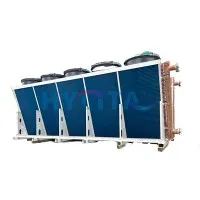
A well - functioning HVAC (Heating, Ventilation, and Air Conditioning) system is crucial for maintaining a comfortable and healthy indoor environment. Among the many components of an HVAC system, the evaporator coil plays a vital role. But can a faulty evaporator coil cause poor air quality? As an evaporator coil supplier, I'm here to explore this question in detail.
Understanding the Role of the Evaporator Coil
Before delving into how a faulty evaporator coil can affect air quality, it's essential to understand what an evaporator coil does. In an HVAC system, the evaporator coil is responsible for absorbing heat from the air inside a building. When warm air passes over the cold evaporator coil, the refrigerant inside the coil absorbs the heat, causing the air to cool down. This cooled air is then circulated back into the building, providing a comfortable indoor temperature.


How a Faulty Evaporator Coil Can Impact Air Quality
1. Mold and Mildew Growth
One of the most significant ways a faulty evaporator coil can lead to poor air quality is by promoting the growth of mold and mildew. The evaporator coil operates in a moist environment because as the warm air cools, water vapor condenses on the coil's surface. This condensed water is typically drained away through a condensate drain line. However, if the coil is dirty, damaged, or the drain line is clogged, water can accumulate around the coil.
Mold and mildew thrive in damp conditions. When they grow on the evaporator coil, they can release spores into the air that is being circulated throughout the building. These spores can cause a variety of health problems, including allergic reactions, respiratory issues, and even infections in people with weakened immune systems. For example, individuals with asthma may experience more frequent and severe asthma attacks when exposed to mold spores in the air.
2. Reduced Airflow
A faulty evaporator coil can also lead to reduced airflow. If the coil is dirty or has ice buildup, it can restrict the passage of air over the coil. When airflow is reduced, the HVAC system has to work harder to circulate air, which can lead to uneven cooling or heating in different parts of the building.
Moreover, reduced airflow can cause stagnant air in certain areas. Stagnant air can accumulate pollutants such as dust, pollen, and volatile organic compounds (VOCs). These pollutants can then reach higher concentrations in the indoor air, leading to poor air quality. People breathing in this polluted air may experience symptoms like headaches, dizziness, and fatigue.
3. Release of Contaminants
In some cases, a damaged evaporator coil can release contaminants into the air. For instance, if the coil is made of materials that corrode over time, small particles of the corroded material can break off and be carried by the airflow. These particles can be inhaled by occupants, potentially causing irritation to the respiratory tract.
Additionally, if the refrigerant in the coil leaks, it can also pose a risk to air quality. Some refrigerants are harmful to human health and the environment. Inhaling refrigerant fumes can cause symptoms such as nausea, vomiting, and difficulty breathing.
Signs of a Faulty Evaporator Coil
As an evaporator coil supplier, I often encounter customers who are unaware that their evaporator coil is faulty. Here are some signs that may indicate a problem with the evaporator coil:
- Poor Cooling Performance: If your HVAC system is not cooling your building as effectively as it used to, it could be due to a faulty evaporator coil.
- Increased Energy Bills: A malfunctioning evaporator coil can cause the HVAC system to consume more energy, leading to higher energy bills.
- Visible Mold or Mildew: If you notice mold or mildew growing around the HVAC system or in the air vents, it may be a sign that the evaporator coil is promoting their growth.
- Strange Noises: Unusual noises coming from the HVAC system, such as rattling or hissing, could indicate a problem with the evaporator coil, such as ice buildup or a refrigerant leak.
Solutions for a Faulty Evaporator Coil
1. Cleaning
Regular cleaning of the evaporator coil is essential to prevent the buildup of dirt, dust, and other contaminants. Professional HVAC technicians can use specialized cleaning solutions and tools to clean the coil thoroughly. Cleaning the coil can improve its efficiency, reduce the risk of mold growth, and enhance air quality.
2. Repair or Replacement
If the evaporator coil is damaged beyond repair, it may need to be replaced. Evaporator Coil Replacement is a more significant investment, but it can restore the proper functioning of the HVAC system and improve air quality. As an evaporator coil supplier, we offer a variety of high - quality evaporator coils, including Stainless Steel Evap Coil and Refrigeration Copper Coil, which are designed to be durable and efficient.
Importance of Choosing the Right Evaporator Coil
When it comes to replacing a faulty evaporator coil, choosing the right coil is crucial. Different buildings have different HVAC system requirements, and selecting the appropriate coil can ensure optimal performance and air quality.
For example, stainless steel evaporator coils are resistant to corrosion, making them a good choice for environments with high humidity or where the air contains corrosive substances. Copper evaporator coils, on the other hand, are known for their excellent heat transfer properties, which can improve the efficiency of the HVAC system.
Conclusion
In conclusion, a faulty evaporator coil can indeed cause poor air quality. Mold and mildew growth, reduced airflow, and the release of contaminants are all potential consequences of a malfunctioning evaporator coil. As an evaporator coil supplier, I understand the importance of maintaining a healthy indoor environment. Regular maintenance, including cleaning and timely replacement of the evaporator coil, can help prevent these issues and ensure that your HVAC system provides clean and comfortable air.
If you suspect that your evaporator coil is faulty or are in need of a new evaporator coil, I encourage you to reach out to us. Our team of experts can help you choose the right coil for your HVAC system and provide professional installation services. Contact us today to start a discussion about your evaporator coil needs and take the first step towards improving your indoor air quality.
References
- ASHRAE (American Society of Heating, Refrigerating and Air - Conditioning Engineers). (2019). ASHRAE Handbook - HVAC Applications.
- Indoor Air Quality Association. (2020). Guide to Mold, Moisture, and Indoor Air Quality.
- U.S. Environmental Protection Agency. (2021). Indoor Air Quality: A Guide for Building Owners and Facility Managers.