


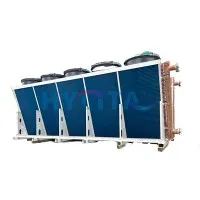
Hey there! I'm part of a Heat Energy Recovery supplier, and today I wanna chat about how heat energy recovery works in industrial processes. It's a super cool topic that can save industries a ton of money and reduce their environmental impact. So, let's dive right in!
The Basics of Heat Energy Recovery
First off, what's heat energy recovery? Well, in industrial processes, a whole lot of heat gets wasted. Think about all those hot exhaust gases, steam, or hot liquids that are just sent out into the environment. Heat energy recovery is all about capturing that wasted heat and putting it to good use. It's like taking something that would've been thrown away and turning it into a valuable resource.
There are different ways to recover heat energy, but the main idea is to transfer the heat from a hot source to a cooler medium. This can be done using various devices, like heat exchangers, economizers, and recuperators. These gadgets are designed to maximize the heat transfer while keeping the two fluids (the hot and the cold) separate.


How Heat Exchangers Work
Heat exchangers are one of the most common tools for heat energy recovery. They work by allowing two fluids to flow past each other, separated by a solid wall. The heat from the hot fluid transfers through the wall to the cold fluid. There are different types of heat exchangers, like shell-and-tube, plate, and finned-tube heat exchangers.
Let's take the shell-and-tube heat exchanger as an example. It consists of a shell (a big outer tube) and a bunch of smaller tubes inside it. The hot fluid flows through the tubes, while the cold fluid flows around the tubes in the shell. As the hot fluid moves through the tubes, it transfers its heat to the cold fluid in the shell. This way, the cold fluid gets heated up, and the hot fluid gets cooled down.
Heat exchangers are used in a wide range of industrial processes, from chemical manufacturing to power generation. They can be used to preheat incoming fluids, cool down hot products, or even generate steam. For more info on heat energy recovery using heat exchangers, check out Heat Energy Recovery.
The Role of Economizers
Economizers are another important part of heat energy recovery systems. They're often used in boilers to preheat the feedwater before it enters the boiler. By preheating the feedwater, economizers reduce the amount of fuel needed to heat the water to steam. This not only saves money but also reduces the emissions from the boiler.
One type of economizer is the Carbon Steel Economiser. It's made of carbon steel tubes that are arranged in a specific pattern to maximize the heat transfer from the flue gases to the feedwater. The flue gases flow over the outside of the tubes, while the feedwater flows through the tubes. As the flue gases give up their heat to the feedwater, the temperature of the flue gases decreases, and the temperature of the feedwater increases.
Economizers can significantly improve the efficiency of a boiler system. They're relatively simple and cost-effective to install, and they can pay for themselves in a short period of time through fuel savings.
Heat Exhaust Recovery
Heat exhaust recovery is all about capturing the heat from the exhaust gases in industrial processes. These exhaust gases are often very hot and contain a lot of energy that would otherwise be wasted. By recovering this heat, industries can reduce their energy consumption and operating costs.
There are different ways to recover heat from exhaust gases. One common method is to use a heat exchanger, as we talked about earlier. Another method is to use a recuperator, which is a type of heat exchanger that uses a rotating wheel to transfer heat between the exhaust gases and the incoming air.
Heat exhaust recovery systems can be used in a variety of industries, including food processing, glass manufacturing, and metalworking. They can be customized to fit the specific needs of each industry and process. To learn more about heat exhaust recovery, visit Heat Exhaust Recovery.
Benefits of Heat Energy Recovery
So, why should industries invest in heat energy recovery? Well, there are several benefits. First of all, it can save a lot of money. By using the recovered heat, industries can reduce their energy consumption and lower their utility bills. This can have a significant impact on the bottom line, especially for energy-intensive industries.
Secondly, heat energy recovery is good for the environment. By reducing the amount of fuel burned, it helps to lower greenhouse gas emissions and reduce the industry's carbon footprint. This is becoming increasingly important as more and more companies are looking for ways to be more sustainable.
Finally, heat energy recovery can improve the overall efficiency of industrial processes. By preheating fluids, cooling products, or generating steam, it can help to optimize the process and increase productivity.
Real-World Examples
Let's take a look at some real-world examples of heat energy recovery in action. In a chemical plant, a heat exchanger can be used to recover the heat from the hot reaction products and use it to preheat the incoming reactants. This not only saves energy but also speeds up the reaction process.
In a power plant, an economizer can be installed in the boiler to preheat the feedwater. This reduces the amount of fuel needed to generate steam, which in turn reduces the operating costs and emissions of the power plant.
In a food processing plant, heat exhaust recovery systems can be used to capture the heat from the ovens and use it to heat the incoming air or water. This helps to reduce the energy consumption of the plant and make the process more efficient.
Getting Started with Heat Energy Recovery
If you're an industry looking to implement heat energy recovery in your processes, the first step is to conduct an energy audit. This will help you to identify the areas where heat is being wasted and the potential opportunities for recovery.
Once you've identified the opportunities, you can work with a Heat Energy Recovery supplier (like us!) to design and install a system that meets your specific needs. We can help you to select the right equipment, such as heat exchangers, economizers, and heat exhaust recovery systems, and ensure that they're installed and operated correctly.
We also offer ongoing maintenance and support services to ensure that your heat energy recovery system continues to operate efficiently. So, if you're interested in learning more about how we can help you save money and reduce your environmental impact, don't hesitate to get in touch. We'd love to have a chat with you and discuss your options.
In conclusion, heat energy recovery is a powerful tool that can help industries to save money, protect the environment, and improve their efficiency. By capturing and reusing the wasted heat in industrial processes, we can make our industries more sustainable and competitive. If you're interested in implementing heat energy recovery in your business, give us a shout, and let's start the conversation.
References
- Incropera, F. P., DeWitt, D. P., Bergman, T. L., & Lavine, A. S. (2007). Fundamentals of Heat and Mass Transfer. John Wiley & Sons.
- ASHRAE Handbook: HVAC Systems and Equipment. (2015). American Society of Heating, Refrigerating and Air-Conditioning Engineers.