


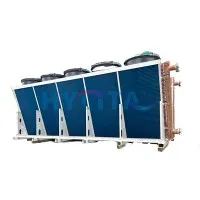
In the dynamic landscape of the paper industry, efficient heat transfer and drying processes are paramount for ensuring high - quality paper production. As a finned tube radiator supplier, I am often asked whether finned tube radiators can be effectively used in the paper industry. In this blog, I will delve into the technical aspects, advantages, and potential applications of finned tube radiators in the paper - making environment.
Technical Principles of Finned Tube Radiators
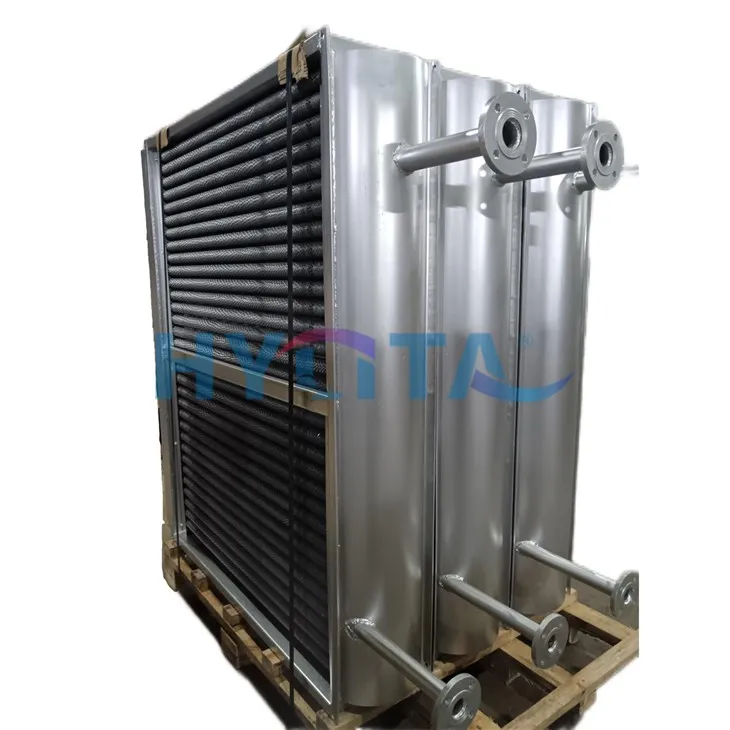
Finned tube radiators are heat exchange devices that enhance the heat transfer surface area through the addition of fins to the tubes. The basic principle is to increase the contact area between the heat - carrying fluid (such as steam, hot water, or thermal oil) inside the tubes and the surrounding air or other media. This increase in surface area significantly improves the heat transfer coefficient, allowing for more efficient heat exchange.
The fins can be made of various materials, including aluminum, copper, and steel, each with its own unique properties. Aluminum fins are lightweight and have good thermal conductivity, making them a popular choice for many applications. Copper fins offer excellent thermal conductivity but are more expensive. Steel fins are robust and can withstand high - pressure and high - temperature environments.
Advantages of Finned Tube Radiators in the Paper Industry
1. High - Efficiency Heat Transfer
In the paper industry, large - scale drying operations are required to remove moisture from the paper pulp. Finned tube radiators can provide a high - intensity heat source, enabling rapid evaporation of water. The increased surface area of the fins allows for a greater amount of heat to be transferred to the paper web or the surrounding air in the drying chamber. This results in shorter drying times, which in turn increases the production rate and reduces energy consumption.
2. Customizability
Paper production processes vary widely depending on the type of paper being produced, such as newsprint, packaging paper, or specialty papers. Finned tube radiators can be customized to meet the specific requirements of different paper - making operations. They can be designed with different fin geometries, tube diameters, and configurations to optimize heat transfer performance. For example, in a high - speed paper machine, a radiator with a compact design and high - density fins may be required to provide sufficient heat in a limited space.
3. Durability
The paper industry often operates in harsh environments, with high humidity, dust, and chemical exposure. Finned tube radiators are built to withstand these conditions. The use of corrosion - resistant materials and proper coating technologies ensures a long service life. For instance, steel - finned radiators can be coated with a protective layer to prevent rust and corrosion, even in the presence of acidic or alkaline substances commonly found in paper - making processes.
4. Energy Savings
Energy costs are a significant factor in the paper industry. Finned tube radiators are energy - efficient devices that can help reduce overall energy consumption. By improving the heat transfer efficiency, less energy is wasted in the form of heat loss. Additionally, the ability to precisely control the heat output of the radiators allows for better energy management in the paper - making process.
Applications of Finned Tube Radiators in the Paper Industry
1. Paper Drying
One of the most critical applications of finned tube radiators in the paper industry is paper drying. After the paper pulp is formed into a web, it needs to be dried to the desired moisture content. Finned tube radiators can be installed in the drying section of the paper machine to provide the necessary heat. They can be used in combination with hot air systems, where the radiator heats the air, and the hot air is then blown over the paper web to remove moisture. Heat Air Dryer is an example of a product that can be integrated with finned tube radiators for efficient paper drying.

2. Air Heating in the Paper Mill
In addition to paper drying, finned tube radiators can be used for general air heating in the paper mill. Maintaining a proper temperature and humidity level in the mill environment is essential for the quality of the paper production. Radiators can be installed in the ventilation system to heat the incoming air, ensuring a comfortable and stable working environment for the equipment and the workers.
3. Thermal Oil Heating
Some paper - making processes require the use of thermal oil for heating. Finned tube radiators can be designed to work with thermal oil systems. Thermal Oil Radiator is a specialized type of finned tube radiator that is optimized for thermal oil applications. These radiators can transfer heat from the thermal oil to the air or other media, providing a reliable and efficient heating solution for the paper industry.
4. Plate Air Exchanger Integration
Finned tube radiators can also be integrated with Plate Air Exchanger systems. Plate air exchangers are used to recover heat from the exhaust air in the paper mill. By combining finned tube radiators with plate air exchangers, the overall energy efficiency of the paper - making process can be further improved. The radiator can pre - heat the incoming air using the recovered heat from the exhaust, reducing the energy required for heating.
Case Studies
To illustrate the effectiveness of finned tube radiators in the paper industry, let's look at a few case studies.
A large - scale paper mill was facing challenges with slow drying times and high energy consumption in its paper - making process. The mill decided to install a set of custom - designed finned tube radiators in its drying section. After the installation, the drying time was reduced by 30%, and the energy consumption was decreased by 20%. The improved heat transfer efficiency of the radiators allowed for a more rapid evaporation of moisture from the paper web, resulting in higher production rates and lower operating costs.
Another paper mill that specialized in producing specialty papers needed a reliable heating solution for its air - conditioning system. The mill chose to use finned tube radiators with aluminum fins for their lightweight and high - thermal conductivity. The radiators were able to maintain a stable temperature and humidity level in the mill environment, which was crucial for the quality of the specialty papers. The durability of the radiators also ensured a long service life, reducing the need for frequent replacements.
Considerations for Using Finned Tube Radiators in the Paper Industry
While finned tube radiators offer many advantages in the paper industry, there are also some considerations to keep in mind.
1. Maintenance
Regular maintenance is essential to ensure the optimal performance of finned tube radiators. The fins can accumulate dust and debris over time, which can reduce the heat transfer efficiency. Therefore, periodic cleaning of the radiators is required. Additionally, the tubes and connections need to be inspected for leaks and corrosion.
2. Compatibility with Existing Systems
When installing finned tube radiators in a paper mill, it is important to ensure their compatibility with the existing heating, ventilation, and air - conditioning (HVAC) systems. The radiator's heat output, pressure requirements, and flow rates need to be carefully matched with the system's specifications to avoid any operational issues.
3. Cost - Benefit Analysis
Before investing in finned tube radiators, a cost - benefit analysis should be conducted. While the initial cost of the radiators and their installation may be relatively high, the long - term savings in energy consumption and increased production efficiency can offset these costs. It is important to consider the overall return on investment when making a decision.
Conclusion
In conclusion, finned tube radiators can be effectively used in the paper industry. Their high - efficiency heat transfer, customizability, durability, and energy - saving features make them an ideal choice for various applications in paper drying, air heating, and thermal oil systems. With proper maintenance and careful consideration of compatibility and cost - benefit, finned tube radiators can significantly improve the performance and efficiency of paper - making processes.
If you are in the paper industry and are looking for a reliable finned tube radiator solution, I encourage you to reach out to me. I am more than happy to discuss your specific requirements and provide you with a customized solution that meets your needs. Let's work together to enhance the efficiency and quality of your paper production.
References
- Incropera, F. P., & DeWitt, D. P. (2002). Fundamentals of Heat and Mass Transfer. John Wiley & Sons.
- Holman, J. P. (2002). Heat Transfer. McGraw - Hill.