


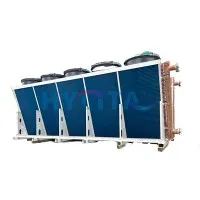
Hey there! As a supplier of finned tube radiators, I often get asked if these radiators can be used in the textile industry. Well, let's dive right into it and find out.
First off, let's understand what a finned tube radiator is. It's a type of heat exchanger that uses fins to increase the surface area for heat transfer. This design allows for more efficient heat exchange, which is super important in many industrial applications.
In the textile industry, temperature and humidity control are crucial. Textile materials are sensitive to environmental conditions. If the temperature is too high or too low, or if the humidity is off - balance, it can affect the quality of the textiles. For example, high humidity can cause the fibers to absorb moisture, leading to shrinkage or mildew growth. On the other hand, low humidity can make the fibers brittle and more prone to breakage.
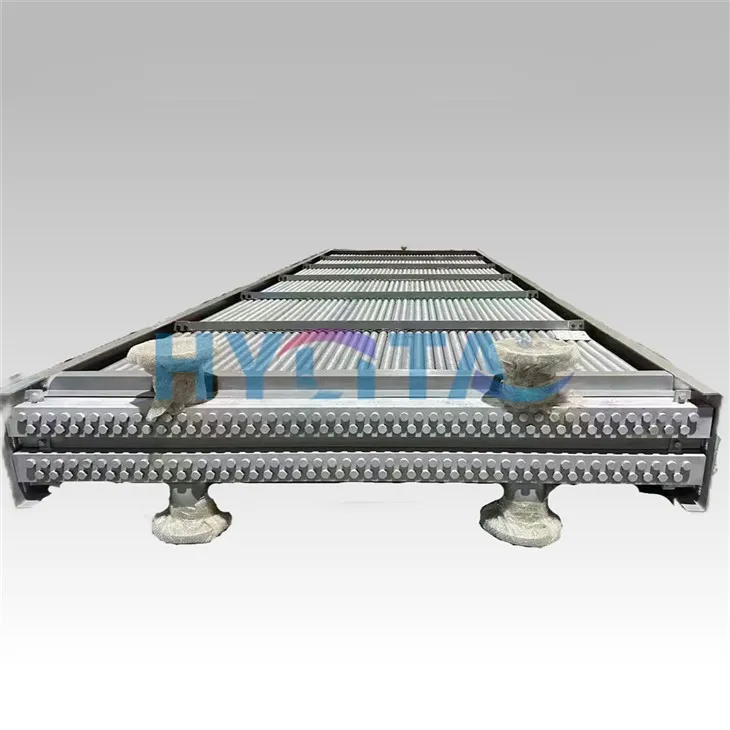

So, can a finned tube radiator play a role here? Absolutely!
Temperature Regulation
One of the main functions of a finned tube radiator in the textile industry is temperature regulation. Textile manufacturing processes often involve heating or cooling different stages. For instance, during the dyeing process, the dyeing baths need to be maintained at a specific temperature for the colors to set properly. A finned tube radiator can be used to heat the water in these baths efficiently.
The fins on the tubes increase the heat transfer surface area, which means that more heat can be transferred in a shorter amount of time. This is especially useful in large - scale textile factories where time is money. With a finned tube radiator, you can quickly reach and maintain the desired temperature, improving the overall efficiency of the dyeing process.
Humidity Control
In addition to temperature regulation, finned tube radiators can also help with humidity control. By heating the air in the textile production area, the radiator can reduce the relative humidity. This is important because, as mentioned earlier, high humidity can cause problems for textile materials.
For example, in a spinning mill, where the fibers are being spun into yarn, maintaining the right humidity level is essential. If the humidity is too high, the fibers can stick together, making it difficult to spin them into a smooth yarn. A finned tube radiator can be used to heat the air in the spinning area, reducing the humidity and ensuring a smooth spinning process.
Different Types of Finned Tube Radiators for the Textile Industry
There are several types of finned tube radiators that can be used in the textile industry.
SS Radiator
The SS Radiator is a great option. Stainless steel is highly resistant to corrosion, which is important in the textile industry where there may be exposure to chemicals used in the dyeing and finishing processes. The SS radiator can withstand the harsh environment and provide long - term reliable performance.
Air To Air Heat Exchanger
The Air To Air Heat Exchanger is another useful type. It can be used to transfer heat between two air streams. In a textile factory, this can be used to pre - heat or pre - cool the incoming air, saving energy and improving the overall efficiency of the heating and cooling systems.
Steam Exchanger
The Steam Exchanger is also commonly used in the textile industry. Steam is a popular heat source in many textile processes, and a steam exchanger can efficiently transfer the heat from the steam to the process fluid or air. This is especially useful in processes like drying, where large amounts of heat are required.
Advantages of Using Finned Tube Radiators in the Textile Industry
- Energy Efficiency: As mentioned earlier, the fins on the tubes increase the heat transfer surface area, which means that less energy is required to achieve the desired temperature. This can lead to significant cost savings in the long run.
- Space - Saving: Finned tube radiators are compact and can be easily installed in limited spaces. This is important in textile factories where space is often at a premium.
- Customizability: Finned tube radiators can be customized to meet the specific needs of the textile industry. For example, they can be designed to fit different sizes of dyeing baths or to handle different flow rates of air or fluid.
Challenges and Considerations
Of course, there are also some challenges and considerations when using finned tube radiators in the textile industry.
- Maintenance: Regular maintenance is required to ensure the proper functioning of the radiators. This includes cleaning the fins to prevent dust and debris from accumulating, which can reduce the heat transfer efficiency.
- Compatibility: It's important to ensure that the radiator is compatible with the chemicals and fluids used in the textile processes. For example, some chemicals may react with the materials of the radiator, causing corrosion or other damage.
Conclusion
In conclusion, finned tube radiators can definitely be used in the textile industry. They offer a range of benefits, including efficient temperature and humidity control, energy savings, and space - saving design. With the right type of radiator, such as the SS Radiator, Air To Air Heat Exchanger, or Steam Exchanger, textile manufacturers can improve the quality of their products and increase the efficiency of their production processes.
If you're in the textile industry and looking for a reliable finned tube radiator solution, don't hesitate to reach out. We're here to help you find the perfect radiator for your specific needs. Whether you need a custom - designed radiator or a standard model, we've got you covered. Let's have a chat and see how we can work together to improve your textile production.
References
- Textile Industry Handbook: A comprehensive guide to textile manufacturing processes and environmental control.
- Heat Exchanger Technology: Principles and Applications, a textbook on heat exchanger design and operation.