


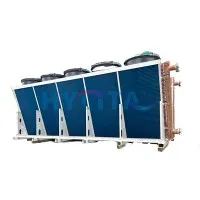
Hey there! As a supplier of heat recovery units, I've seen firsthand how these nifty devices can have a big impact on a building's structure. Let's dive into what this impact is all about.
First off, let's talk about what a heat recovery unit actually does. In simple terms, it captures the heat that would otherwise be wasted and reuses it. This can come from things like the exhaust air in a building. Instead of just letting that warm air go out the window, the heat recovery unit takes it and uses it to pre - heat the incoming fresh air.
One of the most obvious impacts on the building's structure is related to energy efficiency. When a heat recovery unit is installed, it reduces the amount of energy needed to heat or cool the building. This is a huge plus for the building's long - term viability. You see, buildings that use less energy put less stress on the mechanical systems. The heating, ventilation, and air - conditioning (HVAC) systems don't have to work as hard, which means less wear and tear on the equipment. And when the HVAC systems last longer, it also reduces the need for major structural modifications that might be required to replace or upgrade these systems.
For example, if a building has an old, inefficient HVAC system, it might need to have larger ducts or more powerful fans installed over time. But with a heat recovery unit, the load on the system is reduced, and the existing structure can handle the demands more easily. This can save a lot of money in the long run, as there's no need for costly structural overhauls.
Another important aspect is the impact on the indoor environment. A heat recovery unit helps maintain a more stable temperature and humidity level inside the building. This is great for the building's structure because it reduces the risk of things like mold growth and wood rot. High humidity can cause wood to swell and decay, and it can also lead to the growth of mold, which can damage the building's interior surfaces and even weaken the structural integrity over time. By controlling the humidity, the heat recovery unit helps protect the building from these issues.
Now, let's look at some of our products. We offer a Stainless Steel Steam Heater Steam Radiator Electric Heating Steam Generator. This product is a great addition to any building's heat recovery system. It's made of high - quality stainless steel, which is durable and resistant to corrosion. It can efficiently transfer heat, making it an ideal choice for buildings that need to recover and reuse heat effectively.
Our Finned Steam Heater Heat Exchanger For Efficient Waste Heat Recovery TUV & CE Certified PLC Core Components is another top - notch product. The finned design increases the surface area for heat transfer, allowing for more efficient waste heat recovery. And with TUV and CE certification, you can be sure that it meets high - quality standards.
If you're in the textile printing and dyeing industry, our Heavy Duty Carbon Steel Finned Coil Air Heater Unit For Textile Printing And Dyeing Plant Heat Recovery Ventilation is a great option. It's built to handle the heavy - duty demands of these types of plants and can effectively recover heat from the exhaust air, reducing energy costs and improving the overall efficiency of the building.
In addition to the energy and environmental benefits, a heat recovery unit can also have an impact on the building's aesthetics. Since it reduces the need for large, bulky HVAC equipment, the building can have a more streamlined look. There won't be as many ducts and vents cluttering up the space, which can make the interior of the building more visually appealing.
When it comes to installation, a heat recovery unit can be integrated into the existing building structure with relative ease. In most cases, it doesn't require major structural changes. This is a big advantage for building owners who want to improve their energy efficiency without going through a major renovation.


However, it's important to note that proper installation is crucial. A poorly installed heat recovery unit can actually cause problems. For example, if the unit isn't properly sealed, it can lead to air leaks, which can reduce its efficiency and even cause moisture issues. That's why it's always a good idea to work with a professional installer who has experience with heat recovery units.
Overall, the impact of a heat recovery unit on a building's structure is mostly positive. It improves energy efficiency, protects the building from environmental damage, and can even enhance the building's appearance. If you're a building owner or manager, investing in a heat recovery unit is a smart move.
If you're interested in learning more about our heat recovery units or want to discuss a potential purchase, don't hesitate to reach out. We're here to help you find the right solution for your building's needs. Whether you're looking to reduce energy costs, improve indoor air quality, or enhance the overall performance of your building, we've got you covered.
References
- ASHRAE Handbook of HVAC Systems and Equipment.
- Building Energy Efficiency Standards.