


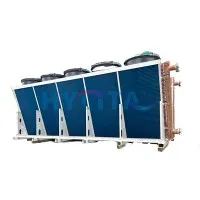
Hey there! As a supplier of heat recovery units, I often get asked if these nifty devices can be used in solar - powered buildings. Well, let's dig into this topic and find out!
First off, let's understand what a heat recovery unit does. In simple terms, a heat recovery unit captures the heat that would otherwise be wasted and re - uses it. It's like giving a second life to that heat energy. There are different types of heat recovery units, such as Air Preheater and Economiser, Hot Water Economiser, and Vapour Economizer in Boiler. Each has its own unique function, but the overall goal is to save energy and cut down on costs.
Now, solar - powered buildings are all about using the sun's energy to meet their power needs. Solar panels on the roof convert sunlight into electricity, which can be used to run various appliances and systems in the building. But here's the thing: solar power isn't always available 24/7. Cloudy days, nighttime, and seasonal changes can affect the amount of solar energy a building can harvest. That's where a heat recovery unit can step in and play a crucial role.
One of the main advantages of using a heat recovery unit in a solar - powered building is energy efficiency. Even when the solar panels aren't producing as much electricity as needed, the heat recovery unit can still work to recover and reuse heat. For example, in a solar - powered office building, the heat generated from the computers, lighting, and even human bodies can be captured by the heat recovery unit. This recovered heat can then be used to warm up the incoming fresh air or heat water, reducing the reliance on additional energy sources.
Let's talk about ventilation. Proper ventilation is essential in any building, including solar - powered ones. A heat recovery unit can be integrated into the ventilation system. When stale air is being expelled from the building, the heat recovery unit extracts the heat from this air. Then, when fresh air is brought in, it's pre - heated using the recovered heat. This means that the building doesn't have to use as much energy to heat the incoming air, which is a huge plus, especially during the colder months.
Another aspect to consider is cost savings. By reducing the energy consumption, a heat recovery unit can lead to significant cost savings over time. In a solar - powered home, for instance, the money saved on heating and ventilation bills can add up. And since solar - powered buildings are often designed with long - term sustainability in mind, adding a heat recovery unit fits right in with the overall goal of reducing the building's carbon footprint and operating costs.


But it's not all sunshine and rainbows. There are a few challenges to using a heat recovery unit in a solar - powered building. One of the main challenges is the initial cost. Heat recovery units can be a bit pricey to install, and this might be a deterrent for some building owners. However, it's important to look at the long - term benefits. The energy savings and reduced environmental impact can more than make up for the initial investment over time.
Maintenance is also something to keep in mind. Like any mechanical system, a heat recovery unit requires regular maintenance to ensure it's working properly. Filters need to be cleaned or replaced, and the unit itself needs to be inspected for any signs of wear and tear. But with proper maintenance, a heat recovery unit can last for many years and continue to provide energy - saving benefits.
The size and capacity of the heat recovery unit are crucial factors. It needs to be properly sized for the solar - powered building. If it's too small, it won't be able to recover enough heat. On the other hand, if it's too large, it can be inefficient and waste energy. That's why it's important to work with a professional who can accurately assess the building's needs and recommend the right heat recovery unit.
In some cases, the design of the solar - powered building might need to be adjusted to accommodate a heat recovery unit. For example, the ductwork for the ventilation system might need to be modified to ensure proper airflow through the heat recovery unit. This can add to the complexity and cost of the installation, but again, the long - term benefits are worth considering.
Let's take a look at some real - world examples. There are several solar - powered commercial buildings that have successfully integrated heat recovery units. A large solar - powered hotel, for instance, installed a Hot Water Economiser to recover heat from the kitchen exhaust and use it to pre - heat the water for the hotel's guests. This not only reduced the energy consumption for water heating but also improved the overall efficiency of the building.
In a solar - powered apartment complex, a heat recovery unit was integrated into the ventilation system. The unit recovered heat from the outgoing stale air and used it to pre - heat the incoming fresh air. As a result, the residents noticed a significant reduction in their heating bills, and the building's carbon emissions were also reduced.
When it comes to choosing the right heat recovery unit for a solar - powered building, there are a few things to keep in mind. First, consider the type of building and its specific needs. A residential building will have different requirements compared to a commercial building. Second, look at the energy efficiency ratings of the heat recovery unit. Higher ratings mean better energy savings. And finally, make sure to choose a reliable and reputable supplier. As a heat recovery unit supplier, I can attest to the importance of quality products and good customer service.
In conclusion, a heat recovery unit can definitely be used in a solar - powered building, and it offers many benefits in terms of energy efficiency, cost savings, and environmental sustainability. While there are some challenges to overcome, the long - term advantages far outweigh the initial hurdles. If you're a building owner or developer looking to make your solar - powered building even more efficient, I highly recommend considering a heat recovery unit.
If you're interested in learning more about our heat recovery units or discussing how they can be integrated into your solar - powered building, don't hesitate to reach out. We're here to help you make the most of your energy - saving potential.
References
ASHRAE Handbook of Fundamentals.
International Energy Agency (IEA) reports on energy efficiency in buildings.
Case studies on solar - powered buildings with heat recovery units from industry publications.