


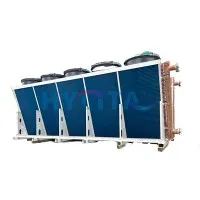
In the hospitality industry, energy efficiency is not just a buzzword; it's a crucial factor that can significantly impact a hotel's bottom line. One of the technologies that has emerged as a game - changer in this regard is the hot water economiser. As a supplier of Hot Water Economisers, I am often asked whether these devices can be effectively used in a hotel setting. In this blog post, we will explore the feasibility, benefits, and considerations of using a hot water economiser in a hotel.
Understanding the Hot Water Economiser
Before delving into its application in hotels, let's first understand what a hot water economiser is. A Hot Water Economiser is a heat exchanger device that recovers waste heat from exhaust gases or other hot sources and uses it to pre - heat the incoming water. This pre - heating process reduces the amount of energy required to heat the water to the desired temperature, leading to significant energy savings.
Energy Consumption in Hotels
Hotels are large consumers of energy, with hot water being one of the major energy sinks. From guest rooms for showers and baths to laundry facilities and kitchens, a continuous supply of hot water is essential. Traditional water heating systems rely heavily on fossil fuels or electricity, which not only contribute to high energy bills but also have a negative environmental impact. According to industry reports, hot water heating can account for up to 30% of a hotel's total energy consumption. This makes it an ideal area for implementing energy - saving measures.
Benefits of Using a Hot Water Economiser in Hotels
1. Energy Savings
The primary benefit of installing a hot water economiser in a hotel is energy savings. By recovering waste heat that would otherwise be lost, the economiser reduces the load on the primary water heating system. For example, in a large hotel with a high demand for hot water, the economiser can pre - heat the incoming water by several degrees, reducing the energy required to reach the final temperature. This can result in substantial cost savings on energy bills over time.
2. Cost Reduction
Lower energy consumption directly translates into cost reduction. Hotels can use the money saved on energy bills for other important aspects of the business, such as room renovations, staff training, or marketing. Additionally, many governments offer incentives and rebates for hotels that implement energy - efficient technologies, further reducing the initial investment cost of installing a hot water economiser.
3. Environmental Sustainability
In today's environmentally conscious world, hotels are under increasing pressure to reduce their carbon footprint. A hot water economiser helps hotels achieve this goal by reducing the consumption of fossil fuels and the associated greenhouse gas emissions. By using waste heat, the economiser promotes a more sustainable approach to hot water production, which can enhance the hotel's reputation among eco - friendly travelers.
4. Improved System Efficiency
The hot water economiser can also improve the overall efficiency of the hotel's water heating system. By pre - heating the water, the primary heating system operates more efficiently, as it has to work less to heat the water to the desired temperature. This can extend the lifespan of the heating equipment and reduce maintenance costs.


Considerations for Installing a Hot Water Economiser in Hotels
1. Initial Investment
The initial cost of purchasing and installing a hot water economiser can be a significant barrier for some hotels. However, it's important to consider the long - term savings and benefits. A cost - benefit analysis should be conducted to determine the payback period, which is typically within a few years for most hotel applications.
2. Space Requirements
Hot water economisers require a certain amount of space for installation. Hotels need to ensure that they have adequate space in the boiler room or near the water heating system. In some cases, modifications to the existing infrastructure may be necessary, which can add to the installation cost.
3. Compatibility with Existing Systems
It's crucial to ensure that the hot water economiser is compatible with the hotel's existing water heating system. Different hotels may have different types of boilers and water heating equipment, and the economiser needs to be properly integrated to function effectively. A professional engineer should be consulted to assess the compatibility and design an appropriate installation plan.
4. Maintenance
Like any other equipment, hot water economisers require regular maintenance to ensure optimal performance. Hotels need to factor in the cost and time required for maintenance, including cleaning, inspection, and replacement of parts if necessary. However, proper maintenance can extend the lifespan of the economiser and ensure continued energy savings.
Types of Hot Water Economisers Suitable for Hotels
There are different types of hot water economisers available in the market, each with its own advantages and suitability for hotel applications.
1. Exhaust Gas Economisers
Exhaust gas economisers are designed to recover heat from the exhaust gases of boilers or other combustion equipment. They are particularly suitable for hotels that use boilers for water heating. The economiser is installed in the exhaust flue, where it transfers heat from the hot exhaust gases to the incoming water. This type of economiser can be very effective in reducing energy consumption, especially in hotels with high - capacity boilers. You can learn more about this type of equipment on our Exhaust Heat Exchanger page.
2. Air Preheater and Economiser Combinations
Some hotels may benefit from a combination of an air preheater and an economiser. An Air Preheater and Economiser system can recover heat from both the exhaust gases and the combustion air. This dual - recovery approach can further improve energy efficiency and reduce the overall energy consumption of the water heating system.
Case Studies
To illustrate the effectiveness of hot water economisers in hotels, let's look at a few case studies.
Case Study 1: A Mid - Sized Urban Hotel
A mid - sized urban hotel with 200 rooms installed a hot water economiser in its boiler room. Prior to the installation, the hotel was spending a significant amount on energy bills for hot water production. After the installation, the economiser pre - heated the incoming water by an average of 15 degrees Celsius. This resulted in a 20% reduction in energy consumption for hot water heating, saving the hotel approximately $50,000 per year on energy bills.
Case Study 2: A Luxury Resort
A luxury resort with a large number of guests and extensive facilities such as a spa and a large - scale laundry service installed a high - capacity hot water economiser. The economiser was integrated with the resort's existing boiler system, and it recovered waste heat from the exhaust gases. As a result, the resort achieved a 25% reduction in hot water heating energy consumption, leading to substantial cost savings and a significant improvement in its environmental performance.
Conclusion
In conclusion, a hot water economiser can be an excellent investment for hotels. The benefits of energy savings, cost reduction, environmental sustainability, and improved system efficiency far outweigh the initial investment and installation challenges. With the right type of economiser and proper installation, hotels can significantly reduce their energy consumption and enhance their competitiveness in the market.
If you are a hotel owner or manager interested in learning more about how a hot water economiser can benefit your establishment, we invite you to contact us for a detailed consultation. Our team of experts can assess your specific needs and provide you with a customized solution. Let's work together to make your hotel more energy - efficient and sustainable.
References
- Hotel Energy Management Association. (2023). Energy Consumption in the Hospitality Industry.
- International Energy Agency. (2022). Energy - Efficient Technologies for the Service Sector.
- Green Hospitality Alliance. (2023). Best Practices for Energy Savings in Hotels.