


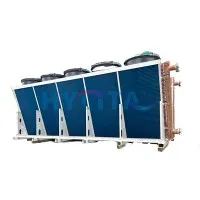
Hey there! As a supplier of heat recovery units, one question I get asked a lot is, "What is the lifespan of a heat recovery unit?" Well, let's dive right into it and break down all the factors that can affect how long these nifty devices last.
First off, it's important to understand that the lifespan of a heat recovery unit can vary quite a bit. There's no one - size - fits - all answer because it depends on several key aspects.
Quality of Manufacturing
The quality of the materials and the manufacturing process play a huge role. When we make our heat recovery units, we use top - notch materials that are built to last. High - grade metals and advanced polymers can withstand the test of time and the harsh conditions that these units often operate in. For example, if a unit is made with cheap, low - quality metals, it's more likely to rust or corrode quickly. On the other hand, units made with stainless steel or other corrosion - resistant materials can last much longer.
Type of Heat Recovery Unit
There are different types of heat recovery units, and each has its own expected lifespan. For instance, a Vapour Economizer in Boiler is designed to recover heat from boiler flue gases. These units are often in a high - temperature and high - pressure environment. If properly maintained, they can last anywhere from 10 to 15 years. The constant exposure to hot, potentially corrosive gases means that they need to be made of durable materials and be well - constructed.


Then, there's the Exhaust Heat Exchanger. These units are used to capture heat from exhaust gases in industrial processes. They can last around 8 to 12 years. The lifespan can be affected by the type of exhaust gases they are exposed to. Some exhausts may contain chemicals or particulates that can wear down the unit over time.
A Hot Water Economiser is another type. It recovers heat to pre - heat water for various applications. These units typically have a lifespan of 12 to 18 years. Since they deal with water, the quality of the water and the prevention of scale buildup are crucial factors in determining their longevity.
Operating Conditions
The environment in which the heat recovery unit operates is a major factor. If a unit is installed in a clean, dry environment with stable temperatures, it will likely last longer. However, if it's in a dirty, humid, or chemically - laden environment, its lifespan can be significantly reduced. For example, in a factory where there are a lot of dust and chemical fumes, the unit may get clogged or corroded faster.
The frequency of use also matters. A heat recovery unit that runs 24/7 will experience more wear and tear than one that is used only occasionally. High - load operations, where the unit is constantly working at its maximum capacity, can also shorten its lifespan.
Maintenance
Proper maintenance is the key to extending the lifespan of a heat recovery unit. Regular inspections can catch small problems before they turn into big ones. For example, checking for leaks, cleaning the heat exchanger surfaces, and ensuring that all the components are working properly.
Changing filters regularly is also important. Filters prevent dust and debris from entering the unit and causing damage. If filters are not changed, they can become clogged, which can reduce the efficiency of the unit and put more stress on its components.
Lubricating moving parts, if any, is another crucial maintenance task. This helps to reduce friction and wear, keeping the unit running smoothly.
Manufacturer's Reputation
The reputation of the manufacturer can give you an idea of the expected lifespan of a heat recovery unit. A well - established manufacturer with a good track record is more likely to produce high - quality units that last longer. At our company, we've been in the business for a long time, and we stand behind the quality of our products. We use the latest technology and best practices in manufacturing to ensure that our heat recovery units are reliable and long - lasting.
Upgrades and Retrofits
Over time, technology advances, and it may be possible to upgrade or retrofit your heat recovery unit. This can not only improve its efficiency but also extend its lifespan. For example, upgrading the control system can make the unit operate more effectively, reducing wear and tear on the components.
Signs of a Failing Heat Recovery Unit
It's important to be aware of the signs that your heat recovery unit may be reaching the end of its lifespan. A decrease in efficiency is a common sign. If you notice that your energy bills are going up and the unit is not recovering as much heat as it used to, it could be a problem.
Strange noises or vibrations coming from the unit can also indicate a problem. This could be due to worn - out bearings, loose components, or other mechanical issues.
Leaks are another red flag. Whether it's a leak of heat transfer fluid, water, or exhaust gases, it needs to be addressed immediately. If left untreated, leaks can cause further damage to the unit and may even pose a safety hazard.
Conclusion
So, to sum it up, the lifespan of a heat recovery unit can range from 8 to 18 years, depending on the type of unit, quality of manufacturing, operating conditions, maintenance, and other factors. By choosing a high - quality unit from a reputable manufacturer and following a proper maintenance schedule, you can maximize the lifespan of your heat recovery unit and get the most out of your investment.
If you're in the market for a heat recovery unit or want to learn more about how to extend the lifespan of your existing one, we'd love to talk to you. We can provide you with the best solutions tailored to your specific needs. Contact us today to start a conversation about your heat recovery requirements.
References
- Industry standards and guidelines for heat recovery units
- Manufacturer's specifications and warranties
- Case studies on the performance and lifespan of heat recovery units in different industries