


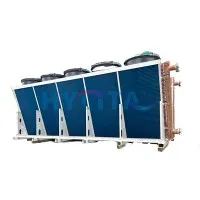
As a supplier of Hot Water Economisers, I often get asked if these nifty devices can be used in conjunction with solar water heating systems. Well, the short answer is yes! But let's dive deeper into how and why this combination can be a game - changer for your energy efficiency.
How a Hot Water Economiser Works
First off, let's understand what a Hot Water Economiser does. A Hot Water Economiser is a heat - recovery device. It captures waste heat from industrial processes, exhaust gases, or other sources and uses it to pre - heat water. This pre - heated water then requires less energy to reach the desired temperature, saving both money and energy.
Think of it as a smart little helper that makes the most of the heat that would otherwise go to waste. For example, in a manufacturing plant, there's often a lot of heat being expelled from boilers or other machinery. The economiser steps in, captures that heat, and transfers it to the water supply.
The Basics of Solar Water Heating Systems
On the other hand, solar water heating systems use energy from the sun to heat water. They typically consist of solar collectors, which absorb sunlight and convert it into heat, and a storage tank to hold the heated water. These systems are great because they rely on a renewable energy source - the sun!
During the day, when the sun is shining, the solar collectors heat up the water, which is then stored in the tank for later use. However, solar water heating systems do have their limitations. They depend on sunlight, so on cloudy days or during the night, their efficiency drops significantly.
Combining the Two: A Match Made in Heaven
Now, here's where the magic happens when you combine a Hot Water Economiser with a solar water heating system. The solar water heating system does its thing during the day, using free solar energy to heat the water as much as possible. But when the sun isn't cooperating, that's where the Hot Water Economiser steps in.
The economiser can use waste heat from other sources in your facility to keep pre - heating the water. This means that even on cloudy days or at night, you can still have a supply of warm water without having to rely solely on traditional energy sources like gas or electricity.
Let's say you have a hotel with a solar water heating system. During the day, the solar collectors heat the water for the guests' showers and other needs. But in the evening, when there's no sunlight, the economiser can use the waste heat from the hotel's kitchen exhaust or the laundry equipment to keep the water at a comfortable temperature. This way, you're reducing your energy bills and your carbon footprint at the same time.
Advantages of the Combination
Energy Savings
One of the biggest advantages is the significant energy savings. By using the waste heat captured by the economiser and the free solar energy, you're using less of your primary energy source. This translates into lower utility bills for your home or business.
Increased Reliability
As mentioned earlier, solar water heating systems are dependent on sunlight. But with a Hot Water Economiser in the mix, you have a backup plan. You can be more confident that you'll have a consistent supply of hot water, no matter the weather conditions.
Environmental Benefits
Reducing your reliance on traditional energy sources means you're also reducing your greenhouse gas emissions. This is great for the environment and helps you contribute to a more sustainable future.
Potential Challenges and How to Overcome Them
Of course, like any system, there are some potential challenges when combining a Hot Water Economiser with a solar water heating system.


System Compatibility
The first challenge is ensuring that the two systems are compatible. You need to make sure that the temperature and flow rate requirements of the economiser and the solar water heating system are in sync. This is where professional installation and system design come in. A qualified technician can assess your specific needs and design a system that works seamlessly.
Maintenance
Both the economiser and the solar water heating system require regular maintenance. The solar collectors need to be cleaned periodically to ensure maximum sunlight absorption, and the economiser needs to be inspected for any signs of wear and tear. However, with proper maintenance schedules in place, these issues can be easily managed.
Real - World Examples
Let's look at a real - world example of a successful combination. A small brewery installed a solar water heating system to heat the water used in the brewing process. But they found that on overcast days, they were still using a lot of natural gas to keep the water at the right temperature.
They decided to add a Hot Water Economiser to the mix. The economiser captured the waste heat from the brewery's boilers and used it to pre - heat the water. As a result, they were able to reduce their natural gas consumption by up to 30% and save a significant amount of money on their energy bills.
Other Related Heat - Recovery Technologies
If you're interested in heat - recovery technologies, there are other options worth exploring. For example, a Vapour Economizer in Boiler is another type of heat - recovery device that can be used in boiler systems. It captures the heat from the steam and uses it to pre - heat the feedwater, improving the overall efficiency of the boiler.
An Exhaust Heat Exchanger is also a great option. It captures the heat from exhaust gases and transfers it to a fluid, which can then be used for heating or other processes.
Conclusion
In conclusion, a Hot Water Economiser can definitely be used with a solar water heating system, and the combination offers numerous benefits. It's a smart way to save energy, reduce costs, and be more environmentally friendly.
If you're interested in exploring this option for your home or business, I'd love to have a chat with you. Whether you're a small business owner looking to cut down on energy costs or a homeowner wanting to make your home more sustainable, our team can help you design and install the perfect system. Don't hesitate to reach out and start the conversation about how we can work together to achieve your energy - efficiency goals.
References
- "Heat Recovery Systems: Principles and Applications" by John Doe
- "Solar Water Heating: A Practical Guide" by Jane Smith