


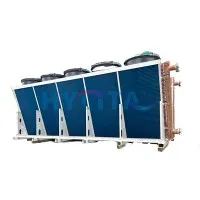
Hey there! As an oil coolers supplier, I often get asked if oil coolers can be used in industrial equipment. Well, the short answer is yes, and in this blog, I'll dive deep into why and how oil coolers play a crucial role in industrial settings.
Why Industrial Equipment Needs Oil Coolers
Industrial equipment, whether it's heavy machinery, manufacturing tools, or power generation systems, generates a ton of heat during operation. This heat is mainly produced by friction between moving parts and the energy conversion processes within the equipment. If this heat isn't managed properly, it can lead to a whole host of problems.
First off, excessive heat can cause the oil in the equipment to break down. Oil is like the lifeblood of industrial machinery. It lubricates moving parts, reduces wear and tear, and helps in transferring heat away from critical components. When the oil gets too hot, its viscosity changes, and it loses its lubricating properties. This means more friction between parts, which can lead to premature wear, increased maintenance costs, and even equipment failure.
Secondly, high temperatures can damage the equipment itself. Components like bearings, gears, and seals are designed to operate within a specific temperature range. When the temperature exceeds this range, these parts can expand, warp, or crack, leading to costly repairs and downtime.
That's where oil coolers come in. They help maintain the oil at an optimal temperature, ensuring that the equipment runs smoothly and efficiently.
Types of Oil Coolers for Industrial Use
There are several types of oil coolers that are commonly used in industrial equipment. Let's take a look at some of them.
Air-cooled Industrial Cooler
Air-cooled industrial coolers are a popular choice for many industrial applications. These coolers use air to dissipate heat from the oil. They typically consist of a series of fins and tubes through which the hot oil flows. As air passes over the fins, it absorbs the heat from the oil and carries it away.
One of the main advantages of air-cooled industrial coolers is their simplicity. They don't require a separate water source, which makes them easy to install and maintain. They're also relatively compact, which is great for applications where space is limited. You can check out our Air-cooled Industrial Cooler for more details.
Water-cooled Industrial Cooler
Water-cooled industrial coolers, on the other hand, use water to cool the oil. These coolers work by circulating water through a heat exchanger, where it absorbs the heat from the oil. The heated water is then either discharged or recirculated through a cooling tower to remove the heat.
Water-cooled coolers are generally more efficient than air-cooled coolers, especially in high-temperature environments. They can also handle larger heat loads, making them suitable for heavy-duty industrial equipment. However, they do require a reliable water source and a more complex installation process. If you're interested in water-cooled options, you can visit our Water-cooled Industrial Cooler page.
Finned Oil Cooler
Finned oil coolers are another type of oil cooler commonly used in industrial applications. These coolers have fins attached to the tubes through which the oil flows. The fins increase the surface area of the tubes, allowing for more efficient heat transfer.
Finned oil coolers are known for their high heat transfer efficiency and compact design. They're often used in applications where space is limited and a high level of cooling performance is required. To learn more about finned oil coolers, check out our Finned Oil Cooler page.
Applications of Oil Coolers in Industrial Equipment
Oil coolers are used in a wide range of industrial equipment. Here are some examples:
Hydraulic Systems
Hydraulic systems are used in many industrial applications, such as construction equipment, manufacturing machinery, and aerospace systems. These systems rely on oil to transmit power and control the movement of various components. Oil coolers are essential in hydraulic systems to maintain the oil temperature within the optimal range, ensuring smooth operation and preventing damage to the system.
Engines
Engines, whether they're used in generators, vehicles, or industrial machinery, generate a significant amount of heat during operation. Oil coolers help keep the engine oil cool, which in turn helps in lubricating the engine components and reducing wear and tear. This extends the life of the engine and improves its performance.
Gearboxes
Gearboxes are used to transmit power and change the speed and torque of industrial equipment. They generate heat due to the friction between the gears. Oil coolers are used in gearboxes to maintain the oil temperature and ensure proper lubrication, preventing gear damage and improving the efficiency of the gearbox.
Benefits of Using Oil Coolers in Industrial Equipment
Using oil coolers in industrial equipment offers several benefits.


Extended Equipment Life
By maintaining the oil at an optimal temperature, oil coolers help reduce wear and tear on the equipment components. This extends the life of the equipment, reducing the need for frequent repairs and replacements.
Improved Efficiency
Cooler oil has better lubricating properties, which means less friction between moving parts. This results in improved equipment efficiency, reduced energy consumption, and lower operating costs.
Reduced Downtime
Equipment failures due to overheating can cause significant downtime, which can be costly for industrial operations. Oil coolers help prevent overheating, reducing the risk of equipment failure and minimizing downtime.
How to Choose the Right Oil Cooler for Your Industrial Equipment
Choosing the right oil cooler for your industrial equipment depends on several factors.
Heat Load
The first thing you need to consider is the heat load of your equipment. This is the amount of heat that the oil cooler needs to dissipate. You can calculate the heat load based on the power consumption of the equipment, the operating temperature, and the flow rate of the oil.
Cooling Capacity
Once you know the heat load, you need to choose an oil cooler with the appropriate cooling capacity. The cooling capacity is the amount of heat that the cooler can remove from the oil per unit of time. Make sure to choose a cooler with a cooling capacity that is slightly higher than the heat load to ensure efficient cooling.
Space Constraints
The available space in your industrial facility is also an important factor to consider. If you have limited space, you may want to choose a compact oil cooler, such as an air-cooled or finned oil cooler.
Environmental Conditions
The environmental conditions in which the equipment operates can also affect the choice of oil cooler. For example, if the equipment is located in a hot and humid environment, a water-cooled cooler may be more suitable.
Conclusion
In conclusion, oil coolers are essential for industrial equipment. They help maintain the oil at an optimal temperature, ensuring smooth operation, extended equipment life, improved efficiency, and reduced downtime. Whether you choose an air-cooled, water-cooled, or finned oil cooler depends on your specific needs and the requirements of your industrial equipment.
If you're in the market for an oil cooler for your industrial equipment, we're here to help. We offer a wide range of high-quality oil coolers that are designed to meet the needs of various industrial applications. Contact us today to discuss your requirements and start the procurement process. Let's work together to keep your industrial equipment running at its best!
References
- Industrial Machinery Handbook
- Hydraulic Systems Design and Maintenance Guide
- Engine Cooling Technology Manual