


Can an air cooler be used in a pet room? This is a question that many pet owners and animal enthusiasts often ponder. As an air cooler supplier, I am well - versed in the features and applications of air coolers, and I'm eager to share my insights on this topic.
The Necessity of Temperature Control in Pet Rooms
Pets, just like humans, are sensitive to temperature changes. Different species of pets have different optimal temperature ranges. For example, small mammals such as rabbits and guinea pigs are comfortable in temperatures between 16 - 24°C (60 - 75°F). If the temperature in their living environment exceeds this range, they may suffer from heat stress, which can lead to various health problems, including dehydration, lethargy, and in severe cases, heatstroke.
Dogs and cats also have their own temperature preferences. While dogs have a slightly higher tolerance for heat, especially breeds with short coats, extremely high temperatures can still be dangerous. Cats, on the other hand, are more prone to overheating due to their thick fur. In a hot and stuffy pet room, pets may become irritable, lose their appetite, and have difficulty sleeping. Therefore, maintaining a proper temperature in the pet room is crucial for their well - being.
How Air Coolers Work
Air coolers, also known as evaporative coolers, operate on a simple yet effective principle. They draw in warm air from the surrounding environment and pass it through a wet cooling pad. As the warm air comes into contact with the water - soaked pad, the water evaporates, absorbing heat from the air and cooling it down. The cooled air is then blown back into the room, creating a more comfortable environment.
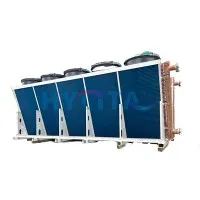
One of the key components of an air cooler is the Copper Air Cooler Fins. Copper is an excellent conductor of heat, which means it can efficiently transfer heat from the air to the water on the cooling pad. The fins increase the surface area of the cooling element, allowing for more effective heat exchange. Another important part is the Air Cooler Heat Exchanger, which further enhances the cooling process by facilitating the transfer of heat between the air and the cooling medium.
Advantages of Using Air Coolers in Pet Rooms
- Energy - efficient: Compared to traditional air conditioners, air coolers consume significantly less energy. They use only a fraction of the electricity, which can result in substantial cost savings for pet owners in the long run. This is especially important for those who need to keep the pet room cool for extended periods.
- Humidification: As air coolers work by evaporating water, they also add moisture to the air. This can be beneficial for pets, especially in dry climates. Adequate humidity levels can prevent dry skin, respiratory problems, and other issues related to dry air.
- Safe for pets: Air coolers do not use harmful refrigerants like some air conditioners. They are also generally quieter in operation, which means they won't cause unnecessary stress to pets. The gentle airflow created by air coolers is less likely to blow directly on pets, reducing the risk of them catching a cold.
- Portability: Most air coolers are relatively lightweight and easy to move around. This allows pet owners to place the cooler in different areas of the pet room as needed, ensuring that all corners of the room are cooled evenly.
Considerations When Using Air Coolers in Pet Rooms
- Room size: It's important to choose an air cooler with the appropriate cooling capacity for the size of the pet room. A cooler that is too small may not be able to cool the room effectively, while one that is too large may create an overly cold and humid environment.
- Water quality: The water used in the air cooler should be clean to prevent the growth of bacteria and mold. Pet owners should regularly change the water and clean the cooling pads to maintain a healthy environment for their pets.
- Ventilation: While air coolers can improve the air quality in the pet room to some extent, proper ventilation is still necessary. Adequate ventilation helps to remove stale air and prevent the buildup of odors and humidity.
- Pet behavior: Some pets may be curious about the air cooler and try to chew on the cords or climb inside. Pet owners should take precautions to ensure the safety of their pets, such as using cord protectors and placing the cooler out of reach.
Types of Air Coolers Suitable for Pet Rooms
- Personal air coolers: These are small, compact coolers that are ideal for small pet rooms or for providing targeted cooling in a specific area. They are easy to move around and can be placed near the pet's bed or favorite resting spot.
- Tower air coolers: Tower air coolers are tall and slim, making them a great choice for rooms with limited floor space. They usually have a wide range of oscillation and can provide a more widespread cooling effect.
- Air Gas Cooler: In some cases, especially for larger pet rooms or for pets that are more sensitive to heat, an air gas cooler may be a suitable option. These coolers are more powerful and can cool larger areas more effectively.
Conclusion
In conclusion, air coolers can be a great solution for keeping pet rooms cool and comfortable. They offer several advantages, including energy efficiency, humidification, and safety for pets. However, pet owners need to consider factors such as room size, water quality, ventilation, and pet behavior when using air coolers.
If you are a pet owner looking for a reliable and efficient way to cool your pet room, or if you are in the market for air coolers for other applications, I encourage you to reach out to us. As an air cooler supplier, we have a wide range of high - quality air coolers to meet your needs. Our products are designed with the latest technology and are built to last. We can provide you with detailed information about our products, help you choose the right air cooler for your specific requirements, and offer competitive pricing. Contact us today to start a discussion about your air cooler needs and let's work together to create a comfortable environment for your pets.


References
- "Pet Health and the Environment" by American Veterinary Medical Association
- "Evaporative Cooling Technology" by International Journal of Refrigeration