


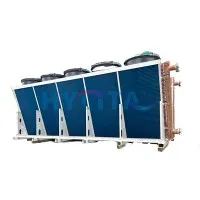
Hey there! As an oil coolers supplier, I often get asked, "Can an oil cooler be repaired?" Well, let's dive right into this topic and explore the ins and outs of oil cooler repair.
First off, let's understand what an oil cooler is and why it's important. Oil coolers are essential components in many industrial and automotive applications. They help maintain the optimal temperature of the oil, which in turn ensures the smooth operation of engines and machinery. There are different types of oil coolers, such as Oil-cooled Industrial Cooler, Air-cooled Industrial Cooler, and Water-cooled Industrial Cooler. Each type has its own unique features and functions, but they all share the common goal of keeping the oil at a proper temperature.
Now, to answer the question, yes, an oil cooler can be repaired in many cases. But it really depends on the nature and extent of the damage. Let's take a look at some common problems and how they can be fixed.


Common Problems and Solutions
Leaks
One of the most common issues with oil coolers is leaks. Leaks can occur due to a variety of reasons, such as corrosion, physical damage, or poor installation. If you notice oil leaking from your cooler, don't panic. In some cases, a simple seal replacement can do the trick. Seals can wear out over time, and replacing them can prevent further leaks. However, if the leak is caused by a crack in the cooler body, the repair might be a bit more complicated. Small cracks can sometimes be welded, but if the crack is too large or the cooler is severely corroded, it might be more cost - effective to replace the cooler altogether.
Clogging
Another problem that oil coolers face is clogging. Over time, debris, dirt, and sludge can build up inside the cooler, reducing its efficiency. This can lead to overheating of the oil and potential damage to the engine or machinery. To fix a clogged oil cooler, you can try flushing it with a suitable cleaning solution. There are many commercial cleaning products available that are designed specifically for oil coolers. You can also use a high - pressure water jet to remove the debris. However, if the clogging is severe, you might need to disassemble the cooler and clean it manually. This should be done with caution, as improper disassembly can cause further damage.
Fan or Pump Failure
In air - cooled and water - cooled oil coolers, the fan or pump is an important part of the cooling system. If the fan stops working, the cooler won't be able to dissipate heat effectively. Similarly, if the pump fails in a water - cooled system, the water won't circulate properly. In most cases, a faulty fan or pump can be replaced. You can usually find replacement parts from the manufacturer or a reputable supplier. However, you need to make sure that the replacement part is compatible with your cooler.
Factors to Consider Before Repairing
Before you decide to repair an oil cooler, there are a few factors you should consider.
Cost
Repairing an oil cooler can be expensive, especially if the damage is extensive. You need to compare the cost of repair with the cost of a new cooler. In some cases, it might be more economical to replace the cooler, especially if it's an older model or if the repair requires a lot of labor and expensive parts.
Age and Condition
The age and overall condition of the oil cooler also play a role in the decision. If the cooler is relatively new and has only minor damage, it's probably worth repairing. On the other hand, if the cooler is old and has been experiencing multiple problems over time, it might be a sign that it's reaching the end of its lifespan, and replacement would be a better option.
Warranty
If your oil cooler is still under warranty, you should contact the manufacturer before attempting any repairs. Repairing the cooler yourself or using non - approved parts might void the warranty. The manufacturer can provide guidance on the best course of action and might even offer free repairs or replacement under the warranty terms.
The Repair Process
If you've decided to repair your oil cooler, here's a general process you can follow:
- Diagnosis: First, you need to accurately diagnose the problem. This might involve visual inspection, pressure testing, or using diagnostic tools. You need to determine the cause of the problem, whether it's a leak, clogging, or something else.
- Gather Tools and Parts: Once you know what needs to be fixed, gather all the necessary tools and replacement parts. Make sure you have the right size and type of parts.
- Disassembly: If required, carefully disassemble the cooler. Keep track of all the parts and their positions. This will make it easier to reassemble the cooler later.
- Repair or Replace: Carry out the necessary repairs, such as replacing seals, welding cracks, or cleaning the cooler. If a part is beyond repair, replace it with a new one.
- Reassembly: After the repairs are done, reassemble the cooler. Make sure all the parts are properly installed and tightened.
- Testing: Once the cooler is reassembled, test it to make sure it's working properly. You can run the engine or machinery for a short period and monitor the oil temperature. If everything seems okay, you're good to go.
When to Call a Professional
While some oil cooler repairs can be done by DIY enthusiasts, there are times when it's best to call a professional. If you're not familiar with the internal workings of the cooler or if the damage is complex, a professional technician can ensure that the repair is done correctly. They have the experience, tools, and knowledge to diagnose and fix the problem efficiently. Additionally, if your cooler is part of a large industrial system, a professional can also ensure that the repair doesn't cause any issues with the overall system.
Conclusion
In conclusion, an oil cooler can be repaired in many cases, but it depends on the specific situation. By understanding the common problems, the repair process, and the factors to consider, you can make an informed decision about whether to repair or replace your oil cooler. As an oil cooler supplier, I'm always here to help you with any questions you might have. Whether you need advice on repair, replacement parts, or choosing a new cooler, feel free to reach out. If you're in the market for a new oil cooler, we offer a wide range of high - quality Oil-cooled Industrial Cooler, Air-cooled Industrial Cooler, and Water-cooled Industrial Cooler. We can also assist you with installation and maintenance. So, if you have any needs related to oil coolers, don't hesitate to contact us for a friendly chat and a great deal.
References
- "Industrial Cooling Systems Handbook"
- Manufacturer's manuals for various oil coolers