


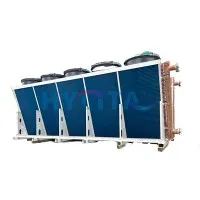
As a provider of Heat Exhaust Recovery solutions, I often encounter inquiries from clients interested in whether heat exhaust recovery can be retrofitted to existing systems. This is a question of great practical significance, especially considering the increasing emphasis on energy efficiency and sustainability in industrial and commercial operations. In this blog, I'll delve into the feasibility, benefits, challenges, and key considerations of retrofitting heat exhaust recovery systems.
Feasibility of Retrofitting Heat Exhaust Recovery
The short answer is yes, heat exhaust recovery can generally be retrofitted to existing systems. The retrofit process depends on several factors, including the type of existing system, the nature of the exhaust heat source, and the specific requirements of the installation site.
For industrial boilers, for example, they are a common application area for heat exhaust recovery. Many boilers produce high - temperature exhaust gases that carry a significant amount of heat. By installing a heat exchanger or an economizer, we can capture the waste heat from these exhaust gases and use it to pre - heat the feedwater for the boiler. This process not only reduces the energy input required by the boiler but also enhances its overall efficiency. The technology behind Heat Exhaust Recovery has advanced to a level where it can be customized to fit different boiler designs and sizes.
In commercial HVAC systems, retrofitting heat exhaust recovery is also feasible. These systems often expel warm or cool air that can be recovered. For instance, a heat recovery ventilator (HRV) or an energy recovery ventilator (ERV) can be installed to transfer heat between the incoming fresh air and the outgoing stale air. This can significantly reduce the energy needed to condition the incoming air, saving on heating and cooling costs.
Benefits of Retrofitting Heat Exhaust Recovery
Energy Savings
One of the most significant benefits of retrofitting heat exhaust recovery is energy savings. When waste heat is recovered, it can be reused to perform useful work, such as heating water or pre - heating materials. This reduces the demand for primary energy sources, like natural gas, oil, or electricity. According to studies, industrial facilities can achieve energy savings of up to 20% or more by implementing effective waste heat recovery strategies. For commercial buildings, heat recovery in HVAC systems can lower energy consumption for heating and cooling by approximately 15 - 20%.
Cost Reduction
Lower energy consumption directly translates into cost reduction. By decreasing the amount of energy required to operate a system, businesses can save a substantial amount of money on their utility bills. In addition, in regions where carbon taxes or energy - related regulations are in place, reducing energy consumption can also lead to savings in compliance costs.
Environmental Impact
Retrofitting heat exhaust recovery systems contributes to environmental protection. By reducing the consumption of fossil fuels, we can lower greenhouse gas emissions, which is crucial for combating climate change. Moreover, it helps to conserve natural resources, making industrial and commercial operations more sustainable in the long run.
Extended Equipment Lifespan
Heat exhaust recovery can also have a positive impact on the lifespan of existing equipment. For example, in a boiler system, when the feedwater is pre - heated using waste heat, the thermal stress on the boiler tubes is reduced. This can minimize wear and tear, leading to less frequent maintenance and replacement of parts, and ultimately extending the lifespan of the boiler.
Challenges of Retrofitting Heat Exhaust Recovery
System Compatibility
One of the main challenges is ensuring the compatibility of the heat exhaust recovery system with the existing system. Different systems have unique designs, operating conditions, and performance requirements. For example, an existing industrial process may require a specific temperature and flow rate for its operation. The heat recovery system must be carefully designed to meet these requirements without disrupting the normal operation of the process.
Space Constraints
In many cases, existing facilities may not have enough space to install a heat exhaust recovery system. For example, in an old factory building, the layout may be congested, leaving little room for additional equipment. This requires careful planning and design to find a suitable location for the heat recovery system or to modify the existing layout if necessary.
Initial Investment
Retrofitting a heat exhaust recovery system requires an upfront investment. This includes the cost of the equipment itself, installation costs, and any necessary modifications to the existing system. Although the long - term savings in energy costs can offset the initial investment, some businesses may be reluctant to make the upfront expenditure, especially if they have limited financial resources.
Key Considerations for Retrofitting
Technical Assessment
Before starting the retrofit process, a comprehensive technical assessment of the existing system is essential. This includes analyzing the characteristics of the exhaust heat source, such as its temperature, flow rate, and composition. It also involves evaluating the performance and capacity of the existing system to determine its suitability for heat exhaust recovery. A professional engineer should conduct this assessment to ensure accurate results.
Equipment Selection
Choosing the right heat exhaust recovery equipment is crucial. There are various types of equipment available, such as Carbon Steel Economiser, plate heat exchangers, and rotary heat exchangers. The selection should be based on factors like the type of exhaust heat source, the desired level of heat recovery, and the operating conditions of the existing system.
Regulatory Compliance
It's important to ensure that the retrofitted heat exhaust recovery system complies with all relevant regulations and standards. These may include environmental regulations, safety codes, and energy efficiency requirements. Working with a reputable supplier like us can help ensure that the system meets all applicable regulations.
Maintenance and Monitoring
Once the heat exhaust recovery system is installed, regular maintenance and monitoring are necessary to ensure its optimal performance. This includes cleaning the heat exchangers, checking the flow rates and temperatures, and inspecting for any signs of wear or damage. A well - maintained system can provide reliable heat recovery and energy savings over its lifespan.
Conclusion
In conclusion, heat exhaust recovery can be successfully retrofitted to existing systems in both industrial and commercial settings. The benefits in terms of energy savings, cost reduction, environmental impact, and equipment lifespan make it a worthwhile investment. Although there are challenges such as system compatibility, space constraints, and initial investment, careful planning and professional installation can overcome these obstacles.
If you're interested in retrofitting a heat exhaust recovery system for your existing setup, we're here to help. Our team of experts has extensive experience in designing and implementing Heat Energy Recovery solutions tailored to your specific needs. Contact us for more information and to start a discussion about how we can optimize your system's energy efficiency.


References
[1] IEA (International Energy Agency). "Industrial Waste Heat Recovery: A Source of Efficiency, Competitiveness and Innovation".
[2] ASHRAE (American Society of Heating, Refrigerating and Air - Conditioning Engineers). "Handbook of HVAC Systems and Equipment".
[3] Various industry research reports on energy efficiency and heat recovery technologies.