


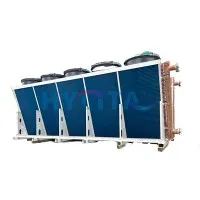
Hey there! As an oil coolers supplier, I often get asked this question: "Can I use an oil cooler in a diesel engine?" Well, let's dive right into it and find out.
First off, let's understand what an oil cooler does. An oil cooler is a device that helps regulate the temperature of the engine oil. In a diesel engine, the oil plays a crucial role. It lubricates the moving parts, reduces friction, and also helps in removing heat from the engine components. But as the engine runs, the oil can get really hot. And if the oil temperature gets too high, it can start to break down, lose its lubricating properties, and even cause damage to the engine. That's where an oil cooler comes in handy.
Benefits of Using an Oil Cooler in a Diesel Engine
1. Extended Oil Life
When the oil is kept at a proper temperature, it doesn't break down as quickly. High temperatures can cause the oil to oxidize, which leads to the formation of sludge and varnish. These can clog up the engine's oil passages and reduce the efficiency of the lubrication system. By using an oil cooler, you can keep the oil temperature within a safe range, which in turn extends the life of the oil. You won't have to change the oil as often, saving you both time and money.
2. Improved Engine Performance
A cooler oil means better lubrication. When the oil is cooler, it can flow more easily through the engine, reaching all the moving parts and reducing friction. This results in smoother operation of the engine, better fuel efficiency, and more power. You'll notice that your diesel engine runs more quietly and smoothly, and it might even have a bit more pep in its step.


3. Reduced Wear and Tear
High oil temperatures can cause excessive wear on the engine components. The heat can expand the metal parts, leading to increased clearances between them. This can result in more noise, vibration, and even premature failure of the engine. With an oil cooler, you can prevent these issues by keeping the oil and the engine components at a stable temperature. This reduces the wear and tear on the engine, increasing its overall lifespan.
Types of Oil Coolers for Diesel Engines
There are several types of oil coolers available, and each has its own advantages.
Water - cooled Industrial Cooler
A Water - cooled Industrial Cooler uses water to transfer heat from the oil. It's a popular choice for many diesel engines, especially in industrial applications. The water - cooled system is very efficient at removing heat because water has a high specific heat capacity. This means it can absorb a large amount of heat without a significant increase in temperature. The cooler is usually connected to the engine's cooling system, so it can use the same water that cools the engine block. This makes it a convenient and cost - effective option.
Oil - cooled Industrial Cooler
The Oil - cooled Industrial Cooler works by using a separate oil circuit to cool the engine oil. It's often used in high - performance diesel engines where the heat load is very high. The oil - cooled system can provide more precise temperature control because it doesn't rely on the engine's cooling system. This type of cooler is also more suitable for engines that operate in extreme conditions, as it can handle higher temperatures.
Finned Oil Cooler
A Finned Oil Cooler uses fins to increase the surface area of the cooler. This allows for more efficient heat transfer to the surrounding air. Finned oil coolers are relatively simple and inexpensive. They're a good choice for smaller diesel engines or engines that don't generate a huge amount of heat. They're also easy to install and maintain.
Considerations Before Installing an Oil Cooler
Before you decide to install an oil cooler in your diesel engine, there are a few things you need to consider.
Engine Compatibility
Not all oil coolers are suitable for every diesel engine. You need to make sure that the cooler you choose is compatible with your engine's make, model, and specifications. You should also check the oil flow rate and pressure requirements of the cooler to ensure that it won't cause any issues with the engine's oil system.
Space and Installation
You need to have enough space in your engine compartment to install the oil cooler. Some coolers are larger than others, so you need to measure the available space and choose a cooler that will fit. Installation can also be a bit tricky, especially if you're not familiar with engine systems. You might need to hire a professional mechanic to install the cooler properly.
Maintenance
Like any other component in your engine, the oil cooler requires regular maintenance. You need to check the cooler for leaks, clean the fins (if it's a finned cooler), and make sure that the coolant or oil in the cooler is at the proper level. Regular maintenance will ensure that the cooler works efficiently and lasts a long time.
Conclusion
So, can you use an oil cooler in a diesel engine? Absolutely! In fact, it's a great idea. An oil cooler can provide many benefits, including extended oil life, improved engine performance, and reduced wear and tear. There are different types of oil coolers available, such as the Water - cooled Industrial Cooler, Oil - cooled Industrial Cooler, and Finned Oil Cooler, each with its own advantages.
If you're thinking about installing an oil cooler in your diesel engine, I'd be more than happy to help. We have a wide range of high - quality oil coolers that are suitable for various diesel engines. Whether you need a water - cooled, oil - cooled, or finned cooler, we've got you covered. Just reach out to us for more information and to start the procurement process. We can discuss your specific needs and find the perfect oil cooler for your engine.
References
- Automotive Engine Cooling Systems: Principles and Practice by John Heywood
- Diesel Engine Technology and Maintenance by David Crolla