


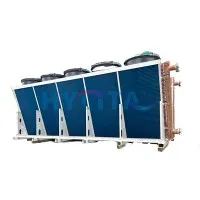
In the realm of ventilation systems, cooling coils play a pivotal role in maintaining optimal indoor environmental conditions. As a seasoned supplier of cooling coils, I am excited to delve into the intricate workings of these essential components and shed light on their significance in ventilation systems.
The Basics of Cooling Coils
Cooling coils are heat exchangers that remove heat from the air passing through them. They are typically made up of a series of tubes through which a refrigerant or chilled water flows. As the warm air from the ventilation system comes into contact with the cold surface of the tubes, heat is transferred from the air to the refrigerant or chilled water, causing the air temperature to drop.
There are several types of cooling coils available, each designed to meet specific requirements and applications. Some of the most common types include Shell and Tube Coil Cooler, Stainless Steel Coil Cooler, and Titanium Coil.
How Cooling Coils Work in a Ventilation System
The operation of cooling coils in a ventilation system can be broken down into several key steps:
1. Air Intake
The ventilation system draws in warm air from the surrounding environment. This air may contain heat generated by various sources, such as occupants, equipment, or sunlight.
2. Heat Transfer
The warm air is then directed through the cooling coil. As the air passes over the cold tubes of the coil, heat is transferred from the air to the refrigerant or chilled water inside the tubes. This process is known as sensible heat transfer, as it results in a decrease in the air's temperature without changing its moisture content.
3. Moisture Removal
In addition to sensible heat transfer, cooling coils can also remove moisture from the air. When the warm, moist air comes into contact with the cold surface of the coil, the water vapor in the air condenses into liquid water. This process is known as latent heat transfer, as it involves a change in the air's moisture content. The condensed water is then collected and drained away from the coil.
4. Air Distribution
After passing through the cooling coil, the cooled and dehumidified air is distributed back into the indoor space through the ventilation system's ductwork. This helps to maintain a comfortable and healthy indoor environment by reducing the temperature and humidity levels.
Factors Affecting the Performance of Cooling Coils
Several factors can affect the performance of cooling coils in a ventilation system. These include:
1. Coil Design
The design of the cooling coil, including the number of tubes, the tube diameter, and the fin configuration, can have a significant impact on its heat transfer efficiency. A well-designed coil will have a large surface area for heat transfer and a high rate of air flow through the coil.
2. Refrigerant or Chilled Water Temperature
The temperature of the refrigerant or chilled water flowing through the coil also affects its performance. A lower temperature will result in a greater temperature difference between the air and the coil, which will increase the rate of heat transfer.
3. Air Flow Rate
The rate of air flow through the cooling coil is another important factor. A higher air flow rate will increase the rate of heat transfer, but it may also increase the pressure drop across the coil, which can reduce the efficiency of the ventilation system.
4. Coil Maintenance
Regular maintenance of the cooling coil is essential to ensure its optimal performance. This includes cleaning the coil to remove dirt, dust, and other contaminants that can reduce its heat transfer efficiency. It also involves checking the refrigerant or chilled water levels and ensuring that the coil is properly insulated to prevent heat loss.
Benefits of Using Cooling Coils in a Ventilation System
There are several benefits to using cooling coils in a ventilation system. These include:
1. Temperature Control
Cooling coils help to maintain a comfortable indoor temperature by removing heat from the air. This is particularly important in hot and humid climates, where high temperatures can make the indoor environment uncomfortable and even dangerous.
2. Humidity Control
In addition to temperature control, cooling coils can also help to control the humidity levels in the indoor space. By removing moisture from the air, they can prevent the growth of mold and mildew, which can cause health problems and damage to the building's structure.
3. Energy Efficiency
Cooling coils can improve the energy efficiency of a ventilation system by reducing the load on the air conditioning system. By pre-cooling the air before it enters the air conditioner, the cooling coil can reduce the amount of energy required to cool the air to the desired temperature.
4. Air Quality
Cooling coils can also improve the air quality in the indoor space by removing dust, pollen, and other airborne contaminants from the air. This helps to create a healthier and more comfortable indoor environment for occupants.
Conclusion
Cooling coils are an essential component of ventilation systems, playing a crucial role in maintaining optimal indoor environmental conditions. By understanding how cooling coils work and the factors that affect their performance, you can ensure that your ventilation system is operating efficiently and effectively.


As a leading supplier of cooling coils, we offer a wide range of high-quality products to meet the needs of various applications. Whether you are looking for a Shell and Tube Coil Cooler, Stainless Steel Coil Cooler, or Titanium Coil, we have the expertise and experience to provide you with the right solution for your ventilation system.
If you are interested in learning more about our cooling coils or would like to discuss your specific requirements, please do not hesitate to contact us. Our team of experts will be happy to assist you and provide you with a free consultation.
References
- ASHRAE Handbook - HVAC Systems and Equipment. American Society of Heating, Refrigerating and Air-Conditioning Engineers.
- Cooling Coil Design and Selection Guide. Carrier Corporation.
- Handbook of Heating, Ventilation, and Air Conditioning. McGraw-Hill Education.