


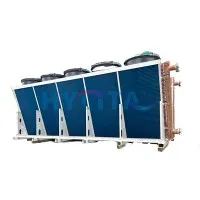
Do heating coils require maintenance? This is a question that many customers often ask me as a heating coils supplier. In this blog, I'll delve into the importance of heating coil maintenance, the factors that influence it, and how proper upkeep can save you time and money in the long run.
The Basics of Heating Coils
Heating coils are essential components in a wide range of applications, from industrial processes to residential heating systems. They work by converting electrical energy into heat through the principle of resistance. When an electric current passes through the coil, the resistance in the wire causes it to heat up, which in turn transfers heat to the surrounding medium, such as air or water.
There are different types of heating coils, including tubular heating coils, finned heating coils, and Stainless Heat Exchanger Coil. Each type has its own unique characteristics and is designed for specific applications. For example, tubular heating coils are commonly used in immersion heating applications, while finned heating coils are more suitable for air heating due to their increased surface area for heat transfer.
Why Maintenance is Necessary
Just like any other mechanical or electrical equipment, heating coils require regular maintenance to ensure optimal performance and longevity. Here are some of the key reasons why maintenance is crucial:
1. Efficiency
Over time, heating coils can accumulate dirt, dust, and other contaminants on their surfaces. This buildup acts as an insulator, reducing the efficiency of heat transfer from the coil to the surrounding medium. As a result, the coil has to work harder to achieve the desired temperature, leading to increased energy consumption and higher utility bills. Regular cleaning and maintenance can remove these contaminants and restore the coil's efficiency.
2. Safety
A poorly maintained heating coil can pose a safety hazard. For instance, if the insulation on the coil is damaged, it can expose live wires, increasing the risk of electrical shock. Additionally, a buildup of flammable materials on the coil can create a fire hazard. By conducting regular inspections and maintenance, you can identify and address these safety issues before they become serious problems.
3. Longevity
Proper maintenance can significantly extend the lifespan of heating coils. By keeping the coils clean, lubricated (if applicable), and free from damage, you can prevent premature wear and tear. This not only saves you money on replacement costs but also reduces downtime and disruption to your operations.
Factors Affecting Maintenance Requirements
The maintenance requirements for heating coils can vary depending on several factors, including:
1. Application
The type of application in which the heating coil is used plays a significant role in determining its maintenance needs. For example, heating coils used in industrial processes that involve harsh chemicals or high temperatures may require more frequent maintenance than those used in residential heating systems. Industrial applications may also expose the coils to more abrasive materials, which can cause faster wear and tear.
2. Operating Conditions
The operating conditions of the heating coil, such as temperature, humidity, and the presence of contaminants in the environment, can also affect its maintenance requirements. Coils operating in high-temperature environments may experience more thermal stress, which can lead to material degradation over time. Similarly, coils exposed to high humidity or corrosive substances may require more frequent cleaning and corrosion protection.
3. Quality of the Coil
The quality of the heating coil itself can influence its maintenance needs. Higher-quality coils are typically made from better materials and are designed to withstand more demanding operating conditions. They may also have better insulation and corrosion resistance, which can reduce the frequency of maintenance.
Maintenance Practices for Heating Coils
Here are some common maintenance practices that can help keep your heating coils in good working condition:
1. Regular Inspections
Regular visual inspections of the heating coils are essential. Look for signs of damage, such as cracks, breaks, or discoloration. Check the insulation for any signs of wear or damage, and ensure that all connections are tight and secure. Inspections should be carried out at least once a month for critical applications and quarterly for less demanding ones.
2. Cleaning
Cleaning the heating coils regularly is crucial to remove dirt, dust, and other contaminants. The cleaning method will depend on the type of coil and the nature of the buildup. For example, tubular heating coils can often be cleaned using a soft brush or compressed air to remove loose debris. Finned heating coils may require more thorough cleaning, such as soaking in a cleaning solution or using a pressure washer.
3. Lubrication (if applicable)
Some heating coils, particularly those with moving parts, may require lubrication to ensure smooth operation. Check the manufacturer's recommendations for the appropriate type of lubricant and the frequency of lubrication. Over-lubrication can also be a problem, as it can attract dirt and debris, so it's important to follow the guidelines carefully.
4. Calibration
Periodically calibrating the heating coil's temperature control system is important to ensure accurate temperature regulation. This can be done using a calibrated thermometer or temperature sensor. If the temperature control system is not calibrated correctly, the coil may overheat or underheat, leading to inefficiencies and potential damage.

The Cost-Benefit Analysis of Maintenance
While maintenance does require an investment of time and money, the benefits far outweigh the costs. Consider the following:
1. Energy Savings
As mentioned earlier, regular maintenance can improve the efficiency of heating coils, reducing energy consumption. Over time, these energy savings can add up to a significant amount of money. For example, a small reduction in energy consumption can result in substantial cost savings for large industrial heating systems.
2. Reduced Replacement Costs
By extending the lifespan of heating coils through proper maintenance, you can avoid the expense of frequent replacements. This is especially important for high-quality, specialized heating coils, which can be quite expensive.
3. Minimized Downtime
A breakdown of a heating coil can cause significant downtime, especially in industrial processes. This downtime can result in lost production, missed deadlines, and potential damage to your reputation. Regular maintenance can help prevent unexpected breakdowns and minimize downtime.
Conclusion
In conclusion, heating coils do require maintenance to ensure optimal performance, safety, and longevity. By understanding the factors that affect maintenance requirements and implementing appropriate maintenance practices, you can keep your heating coils in good working condition and enjoy the many benefits of a well-maintained system.
If you're in the market for high-quality heating coils or need more information on maintenance best practices, I encourage you to reach out to us. Our team of experts is ready to assist you in selecting the right heating coils for your application and providing you with guidance on maintenance and support. Let's start a conversation about your heating coil needs today!
References
- ASHRAE Handbook - HVAC Systems and Equipment. American Society of Heating, Refrigerating and Air Conditioning Engineers.
- Industrial Heating Equipment Maintenance Guide. Various industry publications.
- Manufacturer's manuals for heating coils.