


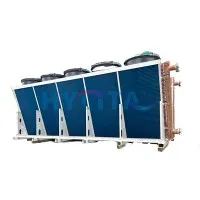
In the realm of heavy - duty machinery, efficient operation is not just a goal; it's a necessity. One crucial aspect that often goes unnoticed but plays a significant role in this efficiency is the management of oil temperature. As an oil cooler supplier, I've witnessed firsthand the impact that proper oil cooling can have on heavy - duty machinery. In this blog, we'll explore whether oil coolers can be used in heavy - duty machinery, the benefits they bring, and the different types available.
The Need for Oil Cooling in Heavy - Duty Machinery
Heavy - duty machinery, such as construction equipment, mining vehicles, and large - scale manufacturing machines, operates under extreme conditions. These machines are designed to handle massive loads, perform repetitive high - intensity tasks, and often run for long hours without breaks. During operation, the oil in these machines serves multiple purposes. It lubricates moving parts, reduces friction, and helps in transferring heat away from critical components.
However, as the machinery runs, the oil temperature rises. Excessive heat can cause the oil to break down, reducing its lubricating properties. This, in turn, leads to increased friction between moving parts, accelerated wear and tear, and ultimately, a higher risk of mechanical failure. Moreover, high - temperature oil can also damage seals and gaskets, leading to oil leaks.
Oil coolers are essential in such scenarios. They help maintain the oil at an optimal temperature, ensuring that it can perform its functions effectively. By keeping the oil cool, the lifespan of the machinery is extended, maintenance costs are reduced, and overall productivity is improved.
Can Oil Coolers Be Used in Heavy - Duty Machinery?
The short answer is yes. Oil coolers are not only suitable for heavy - duty machinery but are also highly recommended. In fact, many modern heavy - duty machines are equipped with oil cooling systems right from the factory. These systems are designed to handle the high - volume and high - temperature oil flow typical of heavy - duty operations.
There are several types of oil coolers available, each with its own advantages and suitability for different applications. Let's take a closer look at some of the common types:
Air - cooled Industrial Cooler
Air - cooled Industrial Cooler is a popular choice for heavy - duty machinery. These coolers use ambient air to dissipate heat from the oil. They consist of a series of fins and tubes through which the hot oil flows. As air passes over the fins, it absorbs the heat from the oil, cooling it down.
Air - cooled oil coolers are relatively simple in design, easy to install, and require minimal maintenance. They are also suitable for applications where water is scarce or difficult to obtain. However, their cooling efficiency can be affected by ambient temperature. In hot climates, they may not be as effective as water - cooled coolers.
Water - cooled Industrial Cooler
Water - cooled Industrial Cooler uses water as the cooling medium. The hot oil is passed through a heat exchanger, where it transfers its heat to the water. The cooled water is then circulated through a radiator or other cooling device to dissipate the heat.


Water - cooled oil coolers are generally more efficient than air - cooled ones, especially in high - temperature environments. They can maintain a more consistent oil temperature, which is crucial for heavy - duty machinery. However, they require a reliable water supply and a more complex installation. They also need regular maintenance to prevent scale buildup and corrosion.
Finned Oil Cooler
Finned Oil Cooler is another type of air - cooled cooler. It has a larger surface area due to the presence of fins, which increases the heat transfer rate. The fins can be made of various materials, such as aluminum or copper, depending on the application.
Finned oil coolers are compact and lightweight, making them suitable for applications where space is limited. They are also highly efficient in transferring heat, even in low - air - flow conditions. However, like other air - cooled coolers, their performance can be affected by ambient temperature.
Benefits of Using Oil Coolers in Heavy - Duty Machinery
The use of oil coolers in heavy - duty machinery offers several benefits:
Extended Machinery Lifespan
By maintaining the oil at an optimal temperature, oil coolers reduce the wear and tear on moving parts. This extends the lifespan of the machinery, reducing the need for frequent replacements and repairs.
Improved Performance
Cooler oil provides better lubrication, which reduces friction and improves the overall performance of the machinery. This results in smoother operation, higher efficiency, and increased productivity.
Reduced Maintenance Costs
With less wear and tear, the frequency of maintenance and the cost of replacement parts are reduced. Oil coolers also help prevent oil leaks and other oil - related problems, further reducing maintenance costs.
Energy Savings
In some cases, oil coolers can also contribute to energy savings. By reducing friction, the machinery requires less energy to operate, resulting in lower fuel consumption or electricity usage.
Considerations When Choosing an Oil Cooler for Heavy - Duty Machinery
When selecting an oil cooler for heavy - duty machinery, several factors need to be considered:
Cooling Capacity
The cooling capacity of the oil cooler should be sufficient to handle the heat generated by the machinery. This depends on factors such as the size of the machine, the operating conditions, and the oil flow rate.
Environment
The ambient temperature and humidity of the operating environment can affect the performance of the oil cooler. In hot and humid climates, water - cooled coolers may be more suitable, while air - cooled coolers may be sufficient in cooler and drier conditions.
Space and Installation
The available space for installation and the ease of installation are also important considerations. Some oil coolers are more compact and easier to install than others.
Maintenance Requirements
Different types of oil coolers have different maintenance requirements. Water - cooled coolers, for example, require regular water treatment to prevent scale buildup and corrosion.
Conclusion
In conclusion, oil coolers are an essential component for heavy - duty machinery. They help maintain the oil at an optimal temperature, ensuring the efficient operation and longevity of the machinery. As an oil cooler supplier, I can attest to the fact that the right oil cooler can make a significant difference in the performance and reliability of heavy - duty equipment.
If you're in the market for an oil cooler for your heavy - duty machinery, I encourage you to reach out for a consultation. We can help you choose the right type of oil cooler based on your specific needs and requirements. Whether you need an Air - cooled Industrial Cooler, a Water - cooled Industrial Cooler, or a Finned Oil Cooler, we have the expertise and the products to meet your demands. Contact us today to start the procurement and negotiation process.
References
- Machinery Lubrication. (n.d.). The Importance of Oil Cooling in Industrial Equipment.
- Fluid Power Journal. (Year). Oil Cooling Solutions for Heavy - Duty Applications.