


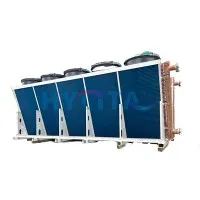
Hey there! As an oil cooler supplier, I often get asked whether oil coolers work well in cold climates. It's a great question, and one that I'm more than happy to dig into. So, let's break it down and see how these coolers perform when the mercury drops.
First off, let's understand what an oil cooler does. Oil coolers are designed to regulate the temperature of oil in various systems, like engines and hydraulic machinery. They help prevent the oil from overheating, which can lead to all sorts of problems, such as reduced efficiency, increased wear and tear, and even system failure.
In a normal climate, oil coolers work like a charm. They use either air or water to dissipate the heat from the oil, keeping it at an optimal temperature. But when it comes to cold climates, things get a bit more complicated.
How Cold Climates Affect Oil Coolers
One of the main issues in cold climates is that the oil can become too thick. When oil gets cold, its viscosity increases, which means it doesn't flow as easily. This can put a lot of strain on the oil pump and other components in the system. And if the oil isn't flowing properly, it can't carry heat away from the engine or machinery effectively.
Another problem is that the cooler itself might get too cold. If the cooler is exposed to extremely low temperatures, it can cause the oil to cool down too much. This can lead to condensation forming inside the cooler, which can cause corrosion and other damage over time.
Types of Oil Coolers and Their Performance in Cold Climates
Let's take a look at the two main types of oil coolers – air-cooled and water-cooled – and see how they fare in cold weather.
Air-cooled Industrial Cooler
Air-cooled oil coolers use the surrounding air to cool the oil. They're simple, reliable, and relatively inexpensive. But in cold climates, they can be a bit of a double-edged sword.
On the one hand, the cold air can help cool the oil more efficiently. This can be a good thing if the system is generating a lot of heat. However, if the system isn't generating enough heat, the air-cooled cooler can cool the oil too much. This can lead to the problems we mentioned earlier, like thick oil and condensation.
If you're using an Air-cooled Industrial Cooler in a cold climate, you might want to consider using a thermostat or a bypass valve. A thermostat can control the flow of oil through the cooler, so it only cools the oil when it's necessary. A bypass valve can divert the oil around the cooler when the temperature is too low.
Water-cooled Industrial Cooler
Water-cooled oil coolers use water to cool the oil. They're more efficient than air-cooled coolers, especially in high-heat applications. But they also have their own set of challenges in cold climates.
The main issue with water-cooled coolers is that the water can freeze. If the water freezes inside the cooler, it can cause the cooler to crack or burst. This can lead to a major failure in the system.
To prevent this from happening, you need to use a coolant mixture that has a low freezing point. You also need to make sure the cooler is properly insulated and that the water circulation system is working correctly. If you're using a Water-cooled Industrial Cooler in a cold climate, it's a good idea to have a heating system in place to keep the water from freezing.


Finned Oil Cooler
Finned oil coolers are a type of air-cooled cooler that have fins on the outside to increase the surface area for heat transfer. They're very effective at cooling oil, but they can also be affected by cold climates.
The fins can collect snow and ice, which can reduce the airflow through the cooler. This can make the cooler less efficient and can cause the oil to overheat. To prevent this, you need to make sure the cooler is installed in a location where it's protected from the elements. You might also want to consider using a heater or a defroster to keep the fins free of ice and snow. Check out our Finned Oil Cooler for more details.
Tips for Using Oil Coolers in Cold Climates
Here are some tips to help you get the most out of your oil cooler in cold weather:
- Use the right oil: Make sure you're using an oil that's designed for cold climates. These oils have a lower viscosity at low temperatures, which means they flow more easily.
- Insulate the cooler: Insulating the cooler can help prevent it from getting too cold and can also reduce the risk of condensation.
- Monitor the temperature: Keep an eye on the oil temperature and adjust the cooler settings as needed. If the oil is getting too cold, you might need to reduce the cooling capacity of the cooler.
- Maintain the cooler: Regular maintenance is essential to keep your oil cooler working properly. This includes cleaning the cooler, checking for leaks, and replacing any worn or damaged parts.
Conclusion
So, do oil coolers work well in cold climates? The answer is yes, but it depends on the type of cooler you're using and how you're using it. With the right precautions and maintenance, you can use an oil cooler effectively in cold weather.
If you're in the market for an oil cooler and you're not sure which one is right for your needs, especially if you're dealing with cold climates, don't hesitate to reach out. We're here to help you find the perfect solution for your system. Whether you need an air-cooled, water-cooled, or finned oil cooler, we've got you covered.
Contact us today to start a conversation about your oil cooler needs. Let's work together to ensure your system runs smoothly, no matter the temperature outside.
References
- "Oil Cooling Systems: Principles and Applications" by Cooling Technology Institute
- "Handbook of Hydraulic Fluid Technology" by George Totten and Steven Westbrook