


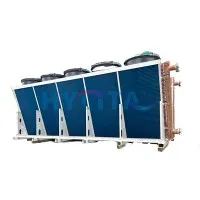
Hey there! As a supplier of cooling coils, I'm super stoked to walk you through how these nifty gadgets work in a commercial building. Cooling coils are like the unsung heroes of the HVAC world, quietly doing their job to keep the indoor environment comfortable. So, let's dive right in!
The Basics of Cooling Coils
First off, what exactly is a cooling coil? Well, it's a crucial part of an air - conditioning or refrigeration system. Picture a bunch of tubes arranged in a coil - like shape. These tubes are usually made of materials like copper, aluminum, Stainless Steel Coil Cooler, or Titanium Coil. The choice of material depends on factors such as the application, the environment it'll be in, and cost.
The main function of a cooling coil is to remove heat from the air passing over it. This is done through a process called heat transfer. When warm air from the building blows across the cold surface of the cooling coil, the heat from the air is transferred to the refrigerant inside the tubes of the coil. As a result, the air cools down, and the refrigerant heats up.
How the Refrigeration Cycle Works with Cooling Coils
To really understand how cooling coils work, we need to take a quick look at the refrigeration cycle. It's the heart and soul of the whole cooling process.


- Compression: The cycle starts with the compressor. The compressor squeezes the low - pressure, low - temperature refrigerant vapor into a high - pressure, high - temperature vapor. This increases the energy of the refrigerant, making it ready to release heat.
- Condensation: The high - pressure vapor then moves to the condenser. In the condenser, the refrigerant releases its heat to the outside environment (usually through a fan or water - cooled system). As it loses heat, the refrigerant changes from a vapor to a liquid.
- Expansion: After leaving the condenser, the high - pressure liquid refrigerant passes through an expansion valve. This valve reduces the pressure of the refrigerant, causing it to expand and turn into a low - pressure, low - temperature mixture of liquid and vapor.
- Evaporation: This is where the cooling coil comes in. The low - pressure, low - temperature refrigerant enters the cooling coil. As warm air from the building blows over the coil, the refrigerant absorbs the heat from the air. This causes the refrigerant to evaporate completely, turning back into a low - pressure vapor. The now - cooled air is then circulated back into the building.
Types of Cooling Coils
There are a few different types of cooling coils commonly used in commercial buildings.
Direct Expansion (DX) Coils
DX coils are pretty straightforward. In a DX system, the refrigerant evaporates directly inside the cooling coil. The evaporator coil is connected directly to the compressor and the condenser. When the warm air from the building passes over the DX coil, the refrigerant inside absorbs the heat and evaporates. These coils are often used in smaller commercial buildings or in individual air - handling units.
Chilled Water Coils
Chilled water coils work a bit differently. Instead of refrigerant, chilled water is circulated through the tubes of the coil. A chiller unit cools the water, and then the chilled water is pumped through the cooling coil. As warm air passes over the coil, the heat from the air is transferred to the chilled water, cooling the air. Chilled water coils are commonly used in larger commercial buildings because they can handle a higher volume of air and are more energy - efficient for large - scale applications.
Shell and Tube Coil Cooler
Shell and tube coil coolers are another type. They consist of a shell (a large outer container) and a series of tubes inside. The refrigerant or chilled water flows through the tubes, while the air to be cooled passes over the outside of the tubes. These coolers are known for their high heat transfer efficiency and are often used in industrial and commercial applications where a large amount of heat needs to be removed.
Factors Affecting Cooling Coil Performance
A few things can impact how well a cooling coil works in a commercial building.
Airflow
The amount of air flowing over the cooling coil is crucial. If the airflow is too low, the heat transfer process won't be as efficient. This can lead to poor cooling performance and higher energy consumption. On the other hand, if the airflow is too high, it can cause the refrigerant to evaporate too quickly, also reducing the efficiency of the coil.
Refrigerant Charge
The right amount of refrigerant in the system is essential. If there's too little refrigerant, the cooling coil won't be able to absorb enough heat from the air. If there's too much, it can cause problems with the compressor and other components of the system.
Coil Cleanliness
Over time, dust, dirt, and debris can accumulate on the surface of the cooling coil. This acts as an insulator, reducing the heat transfer efficiency. Regular cleaning and maintenance of the cooling coil are necessary to keep it working at its best.
Benefits of Using Quality Cooling Coils in Commercial Buildings
Using high - quality cooling coils in a commercial building has several advantages.
Energy Efficiency
Good cooling coils are designed to transfer heat efficiently. This means they can cool the air using less energy, which can lead to significant cost savings on energy bills over time.
Comfort
Properly functioning cooling coils ensure that the indoor air temperature is maintained at a comfortable level. This is important for the well - being of employees, customers, and anyone else in the building.
Durability
Quality cooling coils are made from sturdy materials and are built to last. They can withstand the wear and tear of continuous use in a commercial environment, reducing the need for frequent replacements.
Maintenance Tips for Cooling Coils
To keep your cooling coils in top shape, here are some maintenance tips:
- Regular Cleaning: As I mentioned earlier, clean the coils regularly to remove dirt and debris. You can use a soft brush or a mild cleaning solution.
- Inspect for Leaks: Check the coils for any signs of refrigerant or water leaks. Leaks can not only reduce the efficiency of the system but also be a safety hazard.
- Check the Air Filters: Dirty air filters can restrict airflow over the cooling coil. Replace or clean the air filters regularly to ensure proper airflow.
- Professional Maintenance: Have a professional HVAC technician inspect and service the cooling coils at least once a year. They can identify and fix any potential problems before they turn into major issues.
Why Choose Our Cooling Coils
As a supplier of cooling coils, we take pride in offering high - quality products. Our coils are made from the best materials, ensuring excellent heat transfer efficiency and durability. We have a wide range of options, including Stainless Steel Coil Cooler, Titanium Coil, and Shell and Tube Coil Cooler, to meet the diverse needs of commercial buildings.
If you're in the market for cooling coils for your commercial building, we'd love to have a chat with you. Whether you're looking to upgrade your existing system or install a new one, our team of experts can help you find the perfect solution. Don't hesitate to reach out and start a conversation about your cooling coil needs.
References
- ASHRAE Handbook - HVAC Systems and Equipment
- Refrigeration and Air Conditioning Technology by William C. Whitman, William M. Johnson, and John Tomczyk
- HVACR Systems and Controls by Eugene Silberstein