


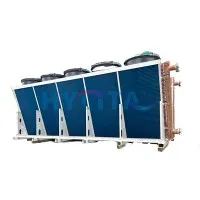
Forging operations are energy-intensive processes that generate a significant amount of waste heat. This waste heat, if not recovered, is simply dissipated into the environment, leading to energy inefficiency and increased operational costs. As a waste heat recovery supplier, I am well - versed in the various techniques available to capture and reuse this wasted energy. In this blog, I will discuss the most effective waste heat recovery techniques for forging operations.
1. Recuperative Heat Exchangers
Recuperative heat exchangers are one of the most common waste heat recovery devices used in forging operations. These heat exchangers work by transferring heat from the hot exhaust gases to a cold fluid, such as air or water, without mixing the two fluids.
One type of recuperative heat exchanger is the Economizer Tube. Economizer tubes are typically installed in the exhaust flue of a forging furnace. The hot exhaust gases pass over the outside of the tubes, while the cold fluid (usually water) flows inside the tubes. Heat is transferred from the exhaust gases to the water, which can then be used for pre - heating combustion air, generating steam, or other industrial processes.
Another important recuperative heat exchanger is the Exhaust Gas Heat Exchanger. This type of heat exchanger is designed to recover heat from the high - temperature exhaust gases produced during forging. It can be used to pre - heat the incoming air for the combustion process in the furnace. By pre - heating the combustion air, the amount of fuel required to reach the desired furnace temperature is reduced, resulting in significant energy savings.
2. Regenerative Heat Exchangers
Regenerative heat exchangers operate on a different principle compared to recuperative heat exchangers. Instead of a continuous heat transfer process, regenerative heat exchangers store heat in a medium (such as a ceramic matrix) during one part of the cycle and then release the stored heat to the cold fluid during another part of the cycle.
In forging operations, regenerative heat exchangers can be used to recover heat from the exhaust gases and transfer it to the incoming combustion air. The hot exhaust gases first pass through the ceramic matrix, heating it up. Then, the cold combustion air is passed through the same matrix, absorbing the stored heat. This pre - heated air is then fed into the furnace, reducing the energy input required for the forging process.
3. Steam Generation
Steam generation is a highly effective waste heat recovery technique for forging operations. The high - temperature exhaust gases from the forging furnace can be used to generate steam in a waste heat boiler. The steam produced can be used for various purposes within the forging plant, such as powering steam turbines for electricity generation, providing heat for space heating, or driving other industrial processes.
The SS Economiser Heat Exchanger can play a crucial role in steam generation. It can pre - heat the feedwater going into the waste heat boiler, increasing the overall efficiency of the steam generation process. By pre - heating the feedwater, less energy is required to convert the water into steam, resulting in energy savings and reduced fuel consumption.
4. Organic Rankine Cycle (ORC) Systems
The Organic Rankine Cycle (ORC) is a relatively new and promising waste heat recovery technology for forging operations. ORC systems use an organic fluid with a low boiling point instead of water as the working fluid. The waste heat from the forging process is used to vaporize the organic fluid, which then drives a turbine to generate electricity.
The advantage of ORC systems is that they can operate at lower temperature ranges compared to traditional steam - based Rankine cycles. This makes them suitable for recovering waste heat from forging operations, where the exhaust gas temperatures may not be high enough to efficiently generate steam. ORC systems can convert the low - grade waste heat into electrical energy, which can be used within the forging plant or sold back to the grid.
5. Heat Pumps
Heat pumps are devices that can transfer heat from a low - temperature source to a high - temperature sink. In forging operations, heat pumps can be used to recover waste heat from the cooling water or other low - temperature waste heat sources and transfer it to a higher - temperature process, such as pre - heating the forging billets or providing heat for other industrial processes.
Heat pumps work by using a small amount of electrical energy to drive a refrigeration cycle. The refrigerant absorbs heat from the low - temperature source, evaporates, and then releases the heat at a higher temperature after being compressed. This technology can significantly improve the energy efficiency of forging operations by reusing waste heat that would otherwise be lost.
Benefits of Waste Heat Recovery in Forging Operations
Implementing waste heat recovery techniques in forging operations offers several benefits. Firstly, it leads to significant energy savings. By reusing the waste heat, the amount of fuel or electricity required for the forging process is reduced, resulting in lower energy costs. Secondly, it helps to reduce greenhouse gas emissions. Since less fuel is burned, the amount of carbon dioxide and other pollutants released into the environment is decreased. Thirdly, waste heat recovery can improve the overall productivity of the forging plant. By providing pre - heated air, steam, or electricity, the forging process can be carried out more efficiently, reducing production times and increasing output.
Considerations for Implementing Waste Heat Recovery
When considering implementing waste heat recovery techniques in a forging operation, several factors need to be taken into account. Firstly, the temperature and flow rate of the waste heat source need to be accurately measured. Different waste heat recovery technologies are suitable for different temperature ranges, so understanding the characteristics of the waste heat is crucial for selecting the appropriate technology.


Secondly, the capital cost of installing the waste heat recovery system needs to be considered. While waste heat recovery can lead to long - term energy savings, the initial investment can be significant. It is important to conduct a cost - benefit analysis to determine the payback period of the investment.
Thirdly, the maintenance requirements of the waste heat recovery system should not be overlooked. Regular maintenance is necessary to ensure the efficient and reliable operation of the system. This includes cleaning the heat exchangers, checking the pumps and valves, and monitoring the performance of the system.
Conclusion
As a waste heat recovery supplier, I have seen firsthand the potential of waste heat recovery techniques to transform forging operations. Recuperative and regenerative heat exchangers, steam generation, ORC systems, and heat pumps are all effective ways to capture and reuse the waste heat generated during forging. By implementing these techniques, forging plants can achieve significant energy savings, reduce their environmental impact, and improve their overall productivity.
If you are interested in learning more about waste heat recovery for your forging operations or are looking to purchase a waste heat recovery system, I encourage you to contact me. I can provide you with detailed information about the different technologies available, conduct a site assessment to determine the most suitable solution for your specific needs, and assist you throughout the installation and commissioning process.
References
- ASHRAE Handbook of HVAC Systems and Equipment.
- "Industrial Energy Efficiency and Technology Deployment" by the International Energy Agency.
- Journals such as "Energy Conversion and Management" and "Applied Thermal Engineering" which often publish research on waste heat recovery technologies.