


Hey there! As a supplier of heating coils, I'm super stoked to share with you all about how these nifty devices work. You might be wondering, "What's the big deal about heating coils?" Well, let me tell you, they're pretty much everywhere, from your home appliances to industrial machinery. So, let's dive right in!
The Basics of Heating Coils
First off, what exactly is a heating coil? Simply put, it's a wire that's designed to produce heat when an electric current passes through it. This wire is usually made of a material with high electrical resistance, like nichrome. When electricity flows through the coil, the resistance causes the wire to heat up. It's like when you rub your hands together really fast – the friction generates heat. In the case of heating coils, it's the electrical resistance that does the trick.
How the Heating Process Works
Let's break down the heating process step by step. When you turn on a device with a heating coil, like a toaster or a hair dryer, you're essentially closing an electrical circuit. This allows electricity to flow from the power source, through the heating coil, and back to the source.
As the current moves through the coil, the electrons in the wire collide with the atoms. These collisions create resistance, which in turn converts electrical energy into heat energy. The more resistance the wire has, the more heat it will produce. That's why heating coils are made from materials with high resistance.
The heat generated by the coil is then transferred to the surrounding environment. In a toaster, for example, the heat is transferred to the bread through radiation and convection. Radiation is the transfer of heat through electromagnetic waves, while convection is the transfer of heat through the movement of a fluid, like air.
Different Types of Heating Coils
There are several types of heating coils, each designed for specific applications. One common type is the tubular heating coil. These coils are made by placing a resistance wire inside a metal tube, which is then filled with a heat-conductive material like magnesium oxide. Tubular heating coils are used in a wide range of applications, from water heaters to industrial ovens.
Another type is the cartridge heating coil. These are small, cylindrical coils that are often used in applications where precise heating is required, like in plastic injection molding machines. Cartridge heating coils are inserted into a hole in the material to be heated, and they provide direct, localized heat.
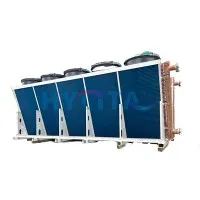
Then there's the Stainless Heat Exchanger Coil. These coils are made from stainless steel, which makes them highly resistant to corrosion and able to withstand high temperatures. They're commonly used in heat exchangers, which are devices that transfer heat from one fluid to another.
Applications of Heating Coils
Heating coils are used in countless applications across various industries. In the home, you'll find them in appliances like toasters, coffee makers, and hair dryers. They're also used in space heaters to warm up rooms during the cold winter months.
In the industrial sector, heating coils are used in a wide range of processes. They're used in food processing to cook, bake, and dry food products. In the chemical industry, they're used to heat chemical reactions and distill liquids. And in the automotive industry, they're used in engine heaters to warm up the engine before starting.
Factors Affecting Heating Coil Performance
Several factors can affect the performance of a heating coil. One of the most important factors is the material of the coil. As I mentioned earlier, materials with high resistance are preferred because they produce more heat. However, the material also needs to be able to withstand high temperatures without melting or degrading.
The design of the coil also plays a crucial role. The length, diameter, and shape of the coil can all affect its resistance and heat output. For example, a longer coil will have more resistance and produce more heat than a shorter coil.
The environment in which the coil operates is another important factor. If the coil is exposed to high humidity or corrosive chemicals, it may degrade over time and lose its effectiveness. That's why it's important to choose the right type of coil for the specific application.
Maintenance and Safety
Proper maintenance is essential to ensure the longevity and performance of heating coils. Regular cleaning can help prevent the buildup of dirt and debris, which can reduce the coil's efficiency. It's also important to check the coil for signs of damage, such as cracks or breaks, and replace it if necessary.
When it comes to safety, heating coils can get extremely hot, so it's important to handle them with care. Make sure to follow the manufacturer's instructions when installing and using heating coils. Keep flammable materials away from the coil, and never touch it when it's hot.
Why Choose Our Heating Coils
As a supplier of heating coils, we take pride in offering high-quality products that are designed to meet the needs of our customers. Our coils are made from the best materials and are manufactured using the latest technology. We offer a wide range of coils, including tubular, cartridge, and Stainless Heat Exchanger Coil, to suit different applications.
We also provide excellent customer service. Our team of experts is always ready to help you choose the right coil for your needs and to answer any questions you may have. Whether you're a homeowner looking for a replacement coil for your toaster or an industrial manufacturer in need of custom-made coils, we've got you covered.
Contact Us for Your Heating Coil Needs
If you're in the market for heating coils, we'd love to hear from you. Whether you have a specific application in mind or just need some advice, our team is here to help. We can provide you with detailed information about our products, including specifications, pricing, and delivery options.

Don't hesitate to reach out to us for a quote or to discuss your requirements. We're committed to providing you with the best heating coil solutions at competitive prices. So, let's start a conversation and find the perfect heating coils for your needs!
References
- "Heating Coils: Principles and Applications" by John Smith
- "Electrical Heating Systems" by Jane Doe
- "Industrial Heating Technology" by Robert Johnson