


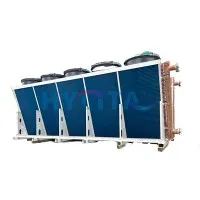
Titanium is a remarkable metal known for its exceptional strength, low density, and excellent corrosion resistance. As a supplier of Titanium Coil, I often get asked about the color of this unique product. In this blog post, I'll delve into the topic, exploring what gives titanium coil its characteristic appearance and how it can vary under different conditions.
The Natural Color of Titanium Coil
In its pure form, titanium has a silvery - gray color. This natural color is a result of the way titanium atoms interact with light. When light hits the surface of a titanium coil, the electrons in the titanium atoms absorb and re - emit certain wavelengths of light. The combination of absorbed and reflected light gives titanium its distinct silvery - gray hue.
The surface finish of the titanium coil can also influence its appearance. A smooth, polished titanium coil will have a shiny, mirror - like appearance, enhancing the silvery color. On the other hand, a coil with a matte finish will have a more subdued, less reflective look, but the underlying silvery - gray color remains.
Color Changes Due to Oxidation
One of the most fascinating aspects of titanium is its ability to form a thin oxide layer on its surface when exposed to oxygen. This oxide layer is not only responsible for titanium's excellent corrosion resistance but can also cause changes in its color.


When titanium is heated or exposed to certain chemicals, the thickness of the oxide layer can increase. Different thicknesses of the oxide layer will reflect different wavelengths of light, resulting in a range of colors. For example, a very thin oxide layer may cause the titanium to appear a pale blue, while a thicker layer can produce colors such as gold, purple, or even green.
These color changes due to oxidation are often used in decorative applications. Titanium jewelry, for instance, can be anodized to create a variety of vibrant colors. However, in industrial applications of titanium coil, such as in Stainless Steel Coil Cooler or Shell and Tube Coil Cooler, the focus is usually on the material's performance rather than its color.
Color in Different Environments
The color of a titanium coil can also be affected by the environment in which it is placed. In a clean, dry environment, the titanium will maintain its natural silvery - gray color for a long time. However, in a humid or corrosive environment, the oxide layer may form more rapidly, leading to color changes.
For example, if a titanium coil is used in a marine environment, where it is exposed to saltwater, the salt can accelerate the oxidation process. Over time, the coil may develop a slightly duller appearance or show signs of discoloration. But even in these harsh conditions, the corrosion resistance of titanium ensures that the coil remains functional.
The Importance of Color in Titanium Coil Applications
In most industrial applications of Titanium Coil, color is not a critical factor. The primary considerations are the material's strength, corrosion resistance, and heat transfer properties. For example, in heat exchanger applications, the ability of the titanium coil to efficiently transfer heat is of utmost importance.
However, in some cases, color can be an indicator of the coil's condition. If a titanium coil suddenly changes color, it could be a sign of abnormal oxidation or exposure to a corrosive substance. Regular visual inspections of the coil's color can help detect potential problems early, allowing for timely maintenance or replacement.
Quality Control and Color Consistency
As a supplier of titanium coil, we pay close attention to color consistency. While some minor variations in color may occur due to the natural oxidation process, we ensure that our coils meet strict quality standards. Our manufacturing processes are designed to produce coils with a uniform surface finish and color.
We use advanced testing methods to monitor the properties of the titanium coil, including its color. By controlling the manufacturing environment and the processing parameters, we can minimize color variations and ensure that our customers receive high - quality products.
Conclusion
The color of titanium coil is a complex topic influenced by its natural properties, oxidation, and the environment. In its pure form, titanium has a silvery - gray color, but it can develop a range of colors due to oxidation. While color is not always a critical factor in industrial applications, it can provide valuable information about the coil's condition.
If you are in the market for high - quality titanium coil for your industrial applications, whether it's for a Stainless Steel Coil Cooler, Titanium Coil, or Shell and Tube Coil Cooler, we are here to help. Our team of experts can provide you with detailed information about our products and assist you in finding the right solution for your needs. Contact us today to start a discussion about your titanium coil requirements and let's explore how we can work together to meet your goals.
References
- ASM Handbook, Volume 2: Properties and Selection: Nonferrous Alloys and Special - Purpose Materials.
- Titanium: A Technical Guide, Second Edition by John C. Williams.