


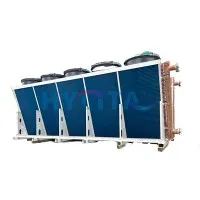
As a seasoned heating coils supplier, I've witnessed firsthand the critical importance of preventing overheating in these essential components. Overheating not only shortens the lifespan of heating coils but can also lead to system failures, safety hazards, and increased energy consumption. In this blog post, I'll share some practical strategies and best practices for preventing overheating of heating coils, drawing on my years of experience in the industry.
Understanding the Causes of Overheating
Before we delve into prevention methods, it's crucial to understand the root causes of overheating in heating coils. Several factors can contribute to excessive heat buildup, including:
- Inadequate Airflow: Insufficient airflow around the heating coils can impede heat dissipation, causing the coils to overheat. This can be due to blocked air vents, dirty filters, or improper installation.
- Excessive Voltage: Applying too much voltage to the heating coils can cause them to draw more current than they are designed to handle, resulting in overheating. This can occur if the electrical supply is not properly regulated or if the coils are mismatched with the power source.
- High Ambient Temperature: Operating heating coils in a high-temperature environment can make it more difficult for them to dissipate heat, leading to overheating. This is particularly common in industrial settings or areas with poor ventilation.
- Fouling and Deposits: Over time, dirt, dust, and other contaminants can accumulate on the surface of the heating coils, reducing their efficiency and increasing the risk of overheating. This can also occur if the coils are exposed to corrosive substances or if the water used in the system is not properly treated.
Preventive Measures
Now that we understand the causes of overheating, let's explore some effective preventive measures that can help ensure the safe and efficient operation of heating coils.
1. Ensure Adequate Airflow
Proper airflow is essential for preventing overheating in heating coils. Here are some steps you can take to ensure adequate airflow:
- Clean Air Vents and Filters: Regularly clean or replace air vents and filters to remove any dirt, dust, or debris that may be blocking the airflow. This will help maintain optimal airflow around the heating coils and prevent overheating.
- Check for Obstructions: Inspect the area around the heating coils for any obstructions, such as furniture, boxes, or equipment. Remove any objects that may be blocking the airflow and ensure that there is sufficient clearance around the coils.
- Install Proper Ventilation: If the heating coils are installed in an enclosed space, ensure that there is proper ventilation to allow for the exchange of air. This may involve installing exhaust fans, vents, or ducts to improve airflow and prevent the buildup of heat.
2. Regulate Voltage
Applying the correct voltage to the heating coils is crucial for preventing overheating. Here are some tips for regulating voltage:
- Use a Voltage Regulator: Install a voltage regulator to ensure that the electrical supply to the heating coils is stable and within the recommended range. This will help prevent overvoltage and protect the coils from damage.
- Match Coils to Power Source: Ensure that the heating coils are properly matched to the power source. This means selecting coils with the correct voltage rating and amperage for the electrical supply. Using mismatched coils can lead to overheating and other problems.
- Monitor Voltage Levels: Regularly monitor the voltage levels at the heating coils to ensure that they are within the recommended range. If you notice any fluctuations or abnormal readings, contact a qualified electrician to investigate and resolve the issue.
3. Control Ambient Temperature
Operating heating coils in a high-temperature environment can increase the risk of overheating. Here are some ways to control the ambient temperature:
- Provide Adequate Cooling: If the heating coils are installed in a hot environment, provide adequate cooling to help dissipate heat. This may involve installing air conditioning units, fans, or other cooling devices to maintain a comfortable temperature around the coils.
- Insulate the Coils: Insulating the heating coils can help reduce heat transfer to the surrounding environment and prevent overheating. Use high-quality insulation materials that are suitable for the temperature and operating conditions of the coils.
- Avoid Direct Sunlight: If possible, avoid installing the heating coils in direct sunlight or in areas that are exposed to high levels of heat. This will help prevent the coils from absorbing excessive heat and reduce the risk of overheating.
4. Maintain Clean Coils
Regular maintenance is essential for keeping heating coils clean and free from fouling and deposits. Here are some maintenance tips:
- Clean the Coils Regularly: Use a soft brush or compressed air to remove any dirt, dust, or debris from the surface of the heating coils. This will help improve heat transfer and prevent the buildup of contaminants that can lead to overheating.
- Treat the Water: If the heating coils are used in a water-based system, ensure that the water is properly treated to prevent the formation of scale, corrosion, and other deposits. This may involve using water softeners, chemical treatments, or other water treatment methods.
- Inspect for Damage: Regularly inspect the heating coils for any signs of damage, such as cracks, leaks, or corrosion. If you notice any damage, replace the coils immediately to prevent further problems.
Additional Considerations
In addition to the preventive measures outlined above, there are some other factors to consider when preventing overheating of heating coils.
1. Use High-Quality Coils
Investing in high-quality heating coils is essential for ensuring their reliability and longevity. Look for coils that are made from durable materials, have a high resistance to corrosion and heat, and are designed to meet the specific requirements of your application. For example, Stainless Heat Exchanger Coil is a popular choice for many applications due to its excellent corrosion resistance and high thermal conductivity.
2. Follow Manufacturer's Recommendations
Always follow the manufacturer's recommendations for installing, operating, and maintaining the heating coils. This includes using the correct installation procedures, following the recommended operating parameters, and performing regular maintenance and inspections. Failure to follow the manufacturer's recommendations can void the warranty and increase the risk of overheating and other problems.
3. Train Your Staff
If you have employees who are responsible for operating or maintaining the heating coils, provide them with proper training on how to prevent overheating and other safety hazards. This should include training on how to operate the equipment safely, how to perform regular maintenance and inspections, and what to do in case of an emergency.
Conclusion
Preventing overheating of heating coils is essential for ensuring their safe and efficient operation. By understanding the causes of overheating and implementing the preventive measures outlined in this blog post, you can help extend the lifespan of your heating coils, reduce the risk of system failures and safety hazards, and save energy and money in the long run.

If you have any questions or need further assistance with preventing overheating of heating coils, please don't hesitate to contact us. As a leading [heating coils supplier], we have the expertise and experience to help you find the right solutions for your specific needs. Whether you're looking for high-quality heating coils, installation services, or maintenance and repair support, we're here to help. Contact us today to learn more and start the procurement process.
References
- ASHRAE Handbook of Heating, Ventilating, and Air Conditioning Systems and Equipment.
- National Electrical Code (NEC).
- Manufacturer's installation and operation manuals for heating coils.