


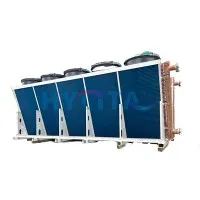
Hey there! I'm a supplier of heating coils, and I've seen my fair share of issues with inconsistent heating in these coils. It can be a real headache for both us suppliers and our customers. In this blog, I'll walk you through some common causes of inconsistent heating in heating coils and how you can troubleshoot them.
1. Check the Power Supply
The first thing you need to do when you notice inconsistent heating is to check the power supply. A fluctuating power supply can lead to uneven heating in the coil. You can use a multimeter to measure the voltage at the coil's terminals. If the voltage is not within the recommended range, it could be a sign of a problem with the power source.
Sometimes, the issue might be with the wiring. Loose or damaged wires can cause a drop in voltage, resulting in inconsistent heating. Inspect the wiring for any signs of wear and tear, such as frayed insulation or loose connections. If you find any issues, you'll need to repair or replace the wiring.
2. Examine the Coil for Physical Damage
Physical damage to the heating coil can also cause inconsistent heating. Over time, coils can become bent, cracked, or corroded. These damages can disrupt the flow of electricity through the coil, leading to uneven heating.
Take a close look at the coil for any visible signs of damage. If you notice any cracks or breaks, the coil will likely need to be replaced. Corrosion can also be a problem, especially in coils that are exposed to moisture or harsh chemicals. In such cases, you might be able to clean the coil to remove the corrosion, but if it's severe, replacement is usually the best option.
3. Look into the Coil's Installation
Incorrect installation can be a major culprit behind inconsistent heating. If the coil is not installed properly, it might not make good contact with the surface it's supposed to heat, or it could be obstructed in some way.
Make sure the coil is securely mounted and that there are no obstructions around it. If the coil is supposed to be in direct contact with a surface, check that the contact is even and firm. Any gaps or uneven contact can lead to hot and cold spots.
4. Consider the Coil's Material and Design
The material and design of the heating coil can also affect its heating performance. Different materials have different electrical and thermal properties, which can impact how evenly the coil heats up.
For example, if you're using a coil made of a material with poor conductivity, it might heat up unevenly. Additionally, the design of the coil, such as its shape and winding pattern, can also play a role. Some designs are more prone to creating hot spots than others.
If you suspect that the material or design is the issue, you might want to consult with an expert or consider upgrading to a better-quality coil. For instance, a Stainless Heat Exchanger Coil is known for its excellent corrosion resistance and uniform heating properties.
5. Evaluate the Surrounding Environment
The environment in which the heating coil operates can have a significant impact on its performance. Factors such as temperature, humidity, and air circulation can all affect how evenly the coil heats up.
High humidity can cause corrosion on the coil, while extreme temperatures can affect its electrical properties. Poor air circulation can lead to the buildup of heat in certain areas, creating hot spots.
Try to maintain a stable environment around the coil. If possible, control the temperature and humidity levels, and ensure proper air circulation.
6. Check for Blockages in the Fluid Path (if applicable)
If your heating coil is part of a fluid-based heating system, blockages in the fluid path can cause inconsistent heating. Sediment, debris, or scale buildup can restrict the flow of fluid through the coil, leading to uneven heating.
Inspect the fluid lines and the coil itself for any signs of blockages. You might need to flush the system to remove any buildup. In some cases, you might need to install a filtration system to prevent future blockages.

7. Monitor the Coil's Performance Over Time
Even after you've troubleshooted and fixed the initial issue, it's important to monitor the coil's performance over time. Inconsistent heating can sometimes be a sign of an underlying problem that might resurface.
Keep an eye on the temperature readings and any changes in the heating pattern. If you notice any new issues or if the problem persists, it might be time to call in a professional or consider replacing the coil.
Conclusion
Troubleshooting a heating coil with inconsistent heating can be a complex process, but by following these steps, you can identify and resolve most common issues. Remember, if you're unsure about any aspect of the troubleshooting process, it's always a good idea to consult with an expert.
As a heating coil supplier, I'm here to help you find the right solutions for your heating needs. Whether you need a replacement coil or advice on installation and maintenance, don't hesitate to reach out. We can work together to ensure that your heating system operates efficiently and provides consistent heat.
References
- ASHRAE Handbook of Heating, Ventilating, and Air - Conditioning Systems and Equipment
- Electrical Engineering Textbooks on Heating Elements and Coils