


In the realm of cooling systems, condensers play a pivotal role in the efficient operation of various appliances, including freezers. As a seasoned supplier of cooler condensers, I've witnessed firsthand the nuances that set freezer condensers apart from regular ones. Understanding these differences is crucial for anyone involved in the design, maintenance, or procurement of cooling equipment. In this blog post, I'll delve into the key distinctions between freezer condensers and their regular counterparts, exploring factors such as design, function, and performance.
Design Differences
One of the most noticeable differences between freezer condensers and regular condensers lies in their design. Freezer condensers are typically designed to operate in extremely low temperatures, often below freezing. This requires a more robust construction to withstand the harsh conditions and prevent damage from ice formation. For instance, freezer condensers may feature thicker tubing and more durable fins to resist corrosion and mechanical stress.
In contrast, regular condensers are designed for a wider range of operating temperatures and may not require the same level of durability. They are often used in applications where the temperature is more stable and less extreme, such as air conditioning systems in residential or commercial buildings. As a result, regular condensers may have a more lightweight design and use thinner materials to reduce cost and improve efficiency.
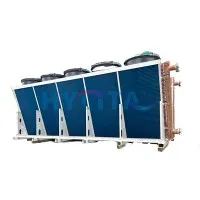
Another design difference is the arrangement of the condenser coils. Freezer condensers often have a more compact design to fit within the limited space of a freezer cabinet. This may involve using a serpentine or parallel flow configuration to maximize the surface area for heat transfer while minimizing the overall size of the condenser. Regular condensers, on the other hand, may have a more open design with larger coils to accommodate higher heat loads and provide better airflow.
Function Differences
The primary function of a condenser is to remove heat from the refrigerant and convert it from a high-pressure gas to a high-pressure liquid. However, the way in which freezer condensers and regular condensers perform this function can vary significantly.
Freezer condensers are designed to operate at low temperatures, which means they need to be able to transfer heat efficiently even when the surrounding environment is cold. To achieve this, freezer condensers often use a different type of refrigerant that has a lower boiling point and can absorb heat more effectively at low temperatures. Additionally, freezer condensers may be equipped with a defrosting mechanism to prevent ice buildup on the coils, which can reduce the efficiency of the condenser and cause the freezer to malfunction.
Regular condensers, on the other hand, are designed to operate at higher temperatures and may use a different type of refrigerant that is more suitable for these conditions. They may also rely on natural convection or forced air circulation to remove heat from the condenser coils, rather than a defrosting mechanism.
Performance Differences
The performance of a condenser is measured by its ability to transfer heat efficiently and maintain a stable temperature. Freezer condensers and regular condensers have different performance requirements due to their different operating conditions.
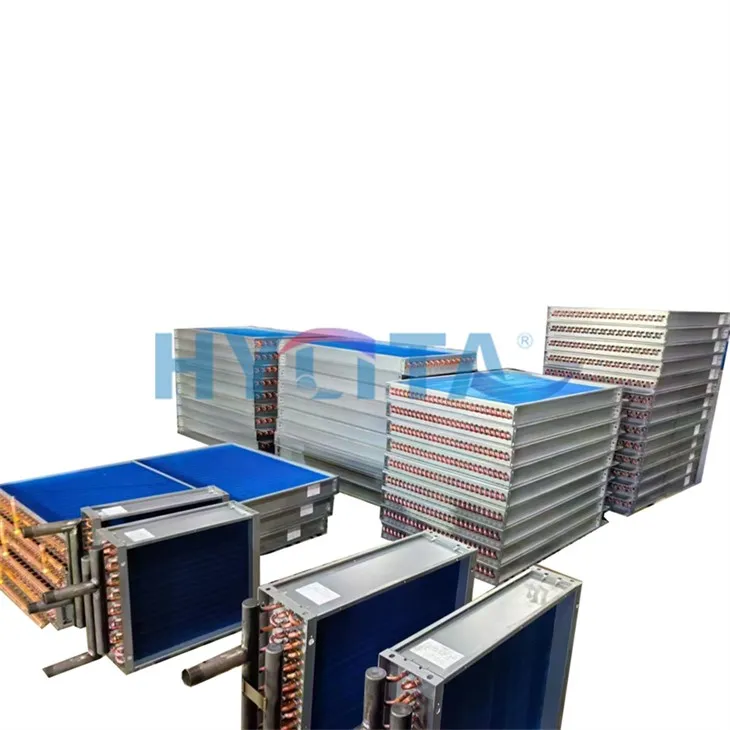

Freezer condensers need to be able to maintain a low temperature inside the freezer cabinet, even when the ambient temperature is high. This requires a high level of efficiency and a large surface area for heat transfer. Additionally, freezer condensers need to be able to operate continuously for long periods of time without overheating or malfunctioning.
Regular condensers, on the other hand, may not need to maintain as low a temperature as freezer condensers, but they do need to be able to handle higher heat loads and provide a consistent level of cooling. They may also need to be able to operate in a wider range of ambient temperatures and humidity levels.
Types of Cooler Condensers
As a cooler condenser supplier, we offer a wide range of products to meet the needs of different applications. Some of the most common types of cooler condensers include Water Intermediate Cooler, Air Intermediate Cooler, and Oil Intermediate Cooler.
Water intermediate coolers are used to cool a fluid by transferring heat to a water stream. They are often used in industrial applications where a large amount of heat needs to be removed quickly and efficiently. Air intermediate coolers, on the other hand, use air to cool a fluid and are commonly used in automotive and HVAC applications. Oil intermediate coolers are designed to cool oil in engines and other machinery, helping to prevent overheating and extend the life of the equipment.
Conclusion
In conclusion, the differences between freezer condensers and regular condensers are significant and can have a major impact on the performance and efficiency of a cooling system. As a cooler condenser supplier, we understand the importance of providing high-quality products that are designed to meet the specific needs of our customers. Whether you're looking for a freezer condenser for a commercial freezer or a regular condenser for an air conditioning system, we have the expertise and experience to help you find the right solution.
If you're interested in learning more about our cooler condensers or would like to discuss your specific requirements, please don't hesitate to contact us. We look forward to working with you to provide the best cooling solutions for your business.
References
- ASHRAE Handbook - Refrigeration. American Society of Heating, Refrigerating and Air-Conditioning Engineers.
- Cooling System Design and Analysis. John Wiley & Sons.
- Refrigeration and Air Conditioning Technology. Cengage Learning.